






More Addiction Articles
Alcohol Addiction Treatment Centers in Tennessee: 2026 Guide
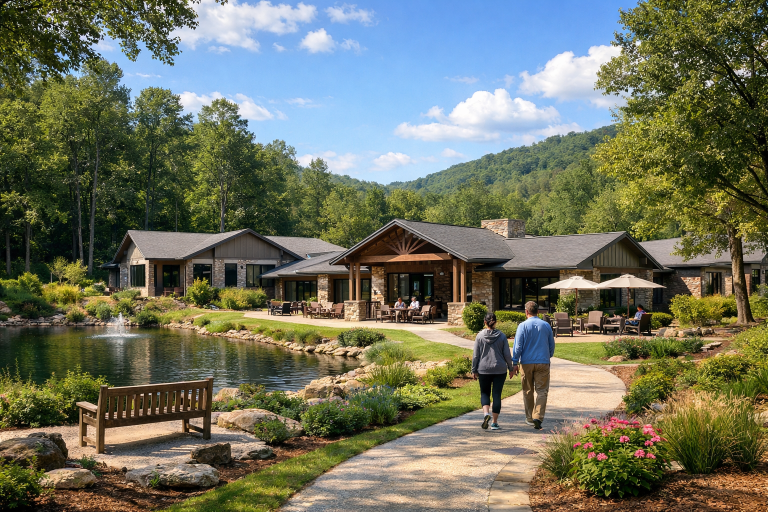
Finding support for alcohol addiction is a significant health decision. Tennessee has a range of rehabilitation centers and treatment programs that may offer services such as detox support, residential treatment, partial hospitalization, intensive outpatient care, outpatient counseling, dual-diagnosis treatment, and aftercare planning. This guide discusses several Tennessee treatment providers and the factors families and individuals may want to review before choosing a program.
This article is for informational purposes only. It is not medical advice, does not rank or endorse any treatment center, and should not replace evaluation by a licensed healthcare or addiction-treatment professional. Program details, licensing, insurance participation, staffing, and availability can change, so readers should verify current information directly with each provider.
Table of Contents
- Xplore Recovery – Ocoee
- Cumberland Heights – Nashville
- JourneyPure – Murfreesboro
- The Next Door – Nashville
- English Mountain Recovery – Sevierville
- How to Compare Alcohol Addiction Treatment Programs
Xplore Recovery
Xplore Recovery is a Tennessee treatment provider that offers services for people dealing with alcohol addiction and related behavioral health concerns. Individuals reviewing this provider may want to ask about available levels of care, dual-diagnosis support, therapy options, housing arrangements, aftercare planning, and how treatment plans are individualized.
- Care approach: Ask whether the program uses evidence-informed therapies such as cognitive behavioral therapy, trauma-informed care, relapse-prevention planning, family involvement, or other clinical services appropriate to the individual’s needs.
- Program structure: Review whether partial hospitalization, intensive outpatient, outpatient, or supportive housing options are available and appropriate.
- Supportive housing: If housing is part of the care model, confirm safety practices, supervision, gender-specific options, and how housing connects with treatment.
- Personalized recovery planning: Ask how assessments are used to develop treatment goals, discharge plans, and continuing-care recommendations.
- Community and experiential support: If adventure-based or community activities are included, ask how those services are supervised and how they fit into the clinical treatment plan.
For anyone researching alcohol rehab Tennessee programs, Xplore Recovery is one option to review directly along with other licensed providers. Important questions include whether the program is clinically appropriate, whether it accepts the person’s insurance, and whether it can address co-occurring mental health needs when present.
Cumberland Heights – Nashville
Cumberland Heights is a long-established addiction treatment provider in the Nashville area. People considering this type of program may want to review available detox, residential, outpatient, family-support, and continuing-care services, as well as current accreditation and licensing information.
- Comprehensive services: Ask which levels of care are currently available and how the provider determines the appropriate level of treatment.
- Credentials: Confirm accreditation, clinical licensing, staff qualifications, and medical oversight.
- Family and aftercare support: Review how family participation, relapse-prevention planning, and alumni or continuing-care resources are handled.
JourneyPure – Murfreesboro
JourneyPure in Murfreesboro is another Tennessee provider that has offered addiction-treatment services. Individuals reviewing this provider should confirm the current program name, ownership, location-specific services, treatment model, aftercare options, and insurance participation before making decisions.
- Integrated care: Ask whether medical, therapeutic, psychiatric, and wellness services are coordinated within the treatment plan.
- Accessibility: Confirm insurance, payment options, admissions criteria, and whether detox or higher levels of care are available.
- Recovery support: Alumni, app-based, peer-support, or community resources may be helpful for some people, but the details should be reviewed directly. Public-health resources from organizations such as the National Institutes of Health can also help readers understand alcohol use disorder and evidence-based treatment concepts.
The Next Door – Nashville
The Next Door is a Nashville-based provider known for serving women with substance use and related behavioral health needs. People considering gender-specific treatment should review whether the program’s services, environment, clinical staff, and support structure match the individual’s needs.
- Gender-specific care: Ask how the program addresses women’s recovery needs, trauma history, family responsibilities, and co-occurring mental health concerns.
- Life-skills support: Review whether the program offers relapse-prevention planning, employment support, family services, wellness resources, or other transition supports.
- Community coordination: Ask how the provider works with hospitals, outpatient clinicians, social services, and continuing-care resources after discharge.
English Mountain Recovery – Sevierville
English Mountain Recovery is located in the Sevierville area and has been associated with addiction-treatment services in a more private or scenic setting. People reviewing this provider should confirm current services, clinical staffing, treatment methods, accreditation, and aftercare options.
- Treatment model: Ask whether the program uses 12-step facilitation, individual therapy, group therapy, family work, medication-assisted treatment referrals, or other evidence-informed approaches.
- Clinical oversight: Confirm staff qualifications, medical support, crisis procedures, and how co-occurring mental health needs are addressed.
- Transition planning: Review how the program prepares clients for outpatient care, sober support, housing, employment, and ongoing recovery needs after discharge.
How to Compare Alcohol Addiction Treatment Programs
Choosing an alcohol addiction treatment program is personal and should be based on clinical fit, safety, access, and continuity of care rather than advertising claims or rankings. Before selecting a provider, individuals and families may want to ask:
- Is the program licensed and accredited?
- What levels of care are available?
- Does the program treat co-occurring mental health conditions?
- Are medical detox or medication-assisted treatment options available or coordinated through referrals?
- What evidence-informed therapies are used?
- How are treatment plans individualized?
- How does the program handle family involvement, discharge planning, and relapse-prevention support?
- What costs, insurance coverage, and out-of-pocket responsibilities should be expected?
Conclusion
Alcohol addiction treatment in Tennessee includes many types of care, from outpatient counseling and intensive outpatient programs to residential treatment, detox support, and continuing-care planning. The right choice depends on the person’s medical needs, substance use history, mental health status, family circumstances, insurance coverage, and safety considerations. Readers should contact providers directly, verify current credentials and services, and seek guidance from licensed healthcare professionals before choosing a treatment program.
Other Articles You May Find of Interest...
- When Addiction and Mental Illness Arrive Together: What Families Should Know Before They Intervene
- How Lived Experience Can Support a More Human Approach to Addiction Care
- From Recovery Goals to Real-Life Progress
- How Can Daily Habits Help People Rebuild Stability During Addiction Recovery?
- When Pain, Anxiety, and Opioid Use Overlap: Why Treating Only One Problem Can Backfire
- What Codependency Actually Describes, and Why It Is Not a Diagnosis
- 8 Nicotine Pouch Flavors to Consider When Moving Away From Cigarettes





