More Gastroenterology Articles
Pancreatitis Diet: Foods to Eat and Avoid
By Your Health Magazine Health Information Team
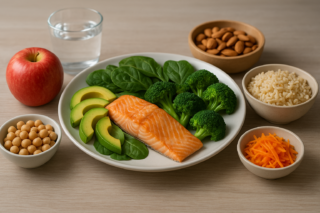
A pancreatitis diet generally emphasizes small, frequent meals built around lean protein, fruits, vegetables, grains and low-fat dairy products. Fried foods, fatty meats, rich desserts and other high-fat meals may worsen digestive symptoms and should usually be limited. Avoid alcohol completely. The right amount of dietary fat depends on whether pancreatitis is acute or chronic, whether you are losing weight and whether your pancreas produces enough digestive enzymes.
What to Eat With Pancreatitis
No food can cure pancreatitis, but appropriate nutrition can support recovery and help prevent malnutrition. Many people tolerate four to six smaller meals better than three large meals. Eating smaller portions also makes it easier to distribute fat throughout the day instead of consuming a large amount at once.
Commonly recommended foods include:
- Lean proteins: Skinless chicken or turkey, fish, egg whites, beans, lentils, tofu and lean cuts of meat.
- Fruits and vegetables: Fresh, frozen or canned varieties prepared without butter, cream or heavy sauces.
- Grains and starches: Oatmeal, rice, pasta, bread, potatoes and whole grains as tolerated.
- Lower-fat dairy: Fat-free or low-fat milk, yogurt and cottage cheese.
- Fluids: Water and other nonalcoholic, low-sugar drinks can help maintain hydration, particularly if nausea or diarrhea has occurred.
Baking, grilling, steaming, poaching and air-frying without large amounts of oil are generally better choices than deep-frying. The National Institute of Diabetes and Digestive and Kidney Diseases provides additional nutrition guidance for people with pancreatitis.
Foods and Drinks to Avoid or Limit
High-fat foods can be difficult to tolerate, especially soon after an acute attack or when digestive enzyme production is reduced. Rather than eliminating every source of fat, focus first on foods containing concentrated amounts of fat.
| Limit or avoid | Consider instead |
|---|---|
| Fried chicken, french fries and other deep-fried foods | Baked, grilled or poached foods |
| Sausage, bacon, hot dogs and fatty cuts of meat | Skinless poultry, fish, beans or lean meat |
| Whole milk, cream, full-fat cheese and ice cream | Low-fat or fat-free dairy products |
| Pastries, doughnuts, rich cakes and cream-based desserts | Fruit, low-fat yogurt, gelatin or sorbet |
| Butter, lard, heavy sauces and large amounts of oil | Broth, herbs, spices or small amounts of oil if tolerated |
| Alcoholic beverages | Water or another nonalcoholic drink |
Alcohol should be avoided even when pancreatitis is mild or was not originally caused by drinking. Alcohol can further injure the pancreas and may contribute to another episode. Highly caffeinated or sugary beverages may also be poorly tolerated by some people, although individual reactions vary.
Eating During and After Acute Pancreatitis
Acute pancreatitis requires medical evaluation and should not be managed at home through fasting or dietary changes alone. In the past, patients were commonly kept from eating until pain and laboratory abnormalities improved. Current guidance generally supports restarting food earlier when a person with mild acute pancreatitis can tolerate it.
The American College of Gastroenterology’s acute pancreatitis guidance recommends early oral feeding with a low-fat solid diet, typically within 24 to 48 hours as tolerated, for mild disease. A clear-liquid diet is not always required before solid food. People with moderately severe or severe pancreatitis who cannot eat may need nutrition through a feeding tube under hospital supervision.
When returning to food, try modest portions of simple meals such as oatmeal with low-fat milk, rice with skinless chicken and cooked vegetables, or toast with egg whites and fruit. Stop and contact the treating clinician if eating repeatedly causes worsening pain, vomiting or an inability to maintain hydration.
Chronic Pancreatitis, Weight Loss and Digestive Enzymes
Dietary needs can be different in chronic pancreatitis. Ongoing pancreatic damage may cause exocrine pancreatic insufficiency, or EPI, in which the pancreas does not release enough enzymes to digest food properly. Possible signs include greasy or foul-smelling stools, diarrhea, bloating, unintended weight loss and deficiencies of vitamins A, D, E and K.
People with chronic pancreatitis should not automatically follow an extremely low-fat diet. Excessive restriction may make it difficult to consume enough calories and can worsen weight loss. A gastroenterologist or registered dietitian can help determine an appropriate fat intake based on symptoms, nutritional status and enzyme treatment.
If pancreatic enzyme replacement therapy has been prescribed, take it with meals and snacks exactly as directed. Do not change the amount or timing without medical guidance. The NIH offers more information about eating and nutrition with exocrine pancreatic insufficiency.
Practical Tips for Planning Meals
- Eat smaller amounts more often. Aim for meals and snacks spaced through the day instead of one or two large meals.
- Check nutrition labels. Compare saturated fat and total fat, particularly in prepared meals, sauces, snacks and baked goods.
- Include protein regularly. Protein supports tissue maintenance and can help preserve body weight during recovery.
- Add fat cautiously. Nuts, seeds, avocado and plant oils contain beneficial nutrients but are still concentrated sources of fat. Portion size and individual tolerance matter.
- Track troublesome foods. A brief food-and-symptom record can help a dietitian identify patterns without eliminating entire food groups unnecessarily.
- Report ongoing weight loss. Persistent difficulty eating may require a tailored meal plan, enzyme treatment or nutritional supplements selected by a healthcare professional.
Pancreatitis can sometimes be related to gallstones or a blockage involving the pancreatic duct. Learn more about what a dilated pancreatic duct may mean and why imaging findings require clinical interpretation.
When to Seek Care
Seek prompt medical care for severe or worsening upper-abdominal pain, especially when it spreads to the back. Urgent evaluation is also appropriate for repeated vomiting, fever, chills, a rapid heartbeat, shortness of breath, faintness, confusion, yellow skin or eyes, or an inability to keep fluids down.
Contact a gastroenterologist or your primary care clinician if you develop ongoing diarrhea, greasy stools, worsening pain after meals, unintended weight loss or signs of poor nutrition. A registered dietitian with experience in digestive or pancreatic disorders can create a plan that provides enough calories and nutrients without aggravating symptoms. For additional reliable consumer information, explore the National Library of Medicine’s MedlinePlus health topics.
This article provides general health education and is not a substitute for diagnosis or individualized guidance from a qualified healthcare professional.
Other Articles You May Find of Interest...
- Pancreatitis Diet: Foods to Eat and Avoid
- Stomach Pain and Nausea: Causes and Relief
- How to Relieve Stomach Cramps
- Dull Lower Right Abdominal Pain That Comes and Goes: Causes
- Things to Know Before Going for an ERCP Procedure
- Beyond the Band-Aid: Why Your Hemorrhoid Symptoms Keep Coming Back
- What Does It Mean When Your Poop Is Black?