




Your Health Magazine Contributor
4201 Northview Drive
Suite 102
Bowie, MD 20716
More Healthcare Careers Articles
Building a Successful Career in the Fitness Industry Through Professional Education
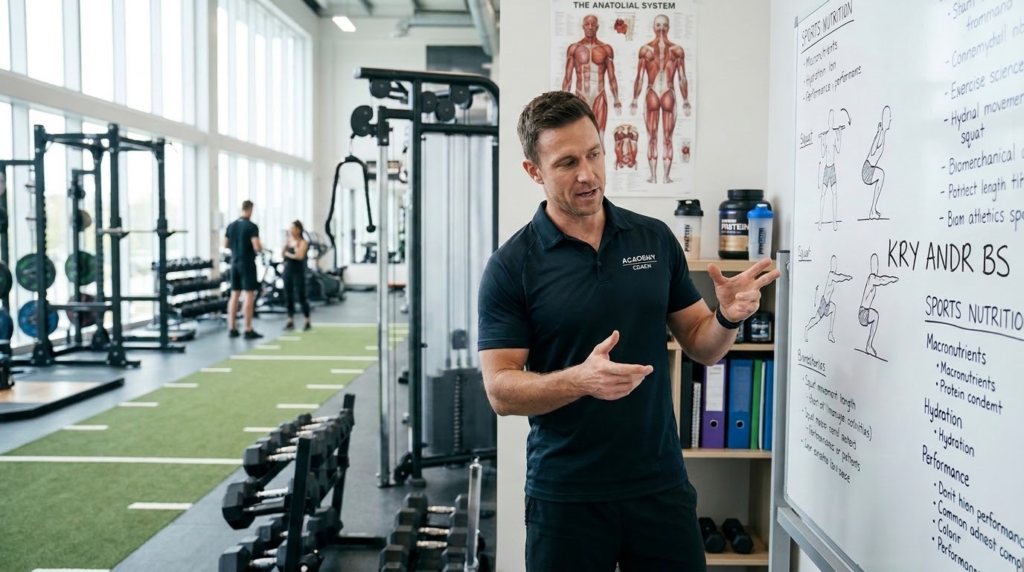
The fitness industry has experienced significant growth as more people become conscious of their health, physical activity, and overall well-being. From personal training and strength conditioning to nutrition planning and fitness coaching, the industry offers several career opportunities for individuals who are passionate about helping others achieve their fitness goals.
However, building a successful career in this field requires more than personal fitness experience. Professional education, practical knowledge, and an understanding of exercise science and nutrition play an important role in developing competent fitness professionals.
The Growing Importance of Professional Fitness Education
As fitness awareness continues to increase, people are becoming more particular about the quality of guidance they receive from fitness professionals. Whether someone wants to lose weight, build muscle, improve endurance, or maintain a healthy lifestyle, they often seek support from trained professionals who understand their individual requirements.
This growing demand has created opportunities for personal trainers, fitness instructors, strength and conditioning specialists, and nutrition professionals.
Professional education helps aspiring trainers understand human anatomy, exercise techniques, training methodologies, injury prevention, and client management. It also provides the foundation needed to work confidently with individuals who have different fitness levels and goals.
Why Sports Nutrition Knowledge Matters for Fitness Professionals
Exercise and nutrition are closely connected. While physical training helps improve strength, endurance, and overall fitness, proper nutrition supports recovery, energy levels, and muscle development.
This is why nutrition knowledge has become an important part of professional fitness education. Enrolling in sports nutrition courses can help individuals understand how dietary habits influence athletic performance and physical development.
Such courses typically introduce learners to important concepts, including macronutrients, micronutrients, hydration, energy requirements, and nutritional planning. Students can also develop an understanding of how nutritional needs differ according to age, activity levels, training intensity, and individual fitness objectives.
For personal trainers, this knowledge can improve their ability to guide clients on general nutrition principles while recognising when specialised dietary advice should be provided by a qualified nutrition professional.
Understanding sports nutrition also creates opportunities to explore specialised roles within the broader fitness and wellness industry.
Choosing the Right Fitness Education Institute
Selecting an appropriate educational institution is an important step for anyone planning to enter the fitness industry. A good training institute should offer a balanced combination of theoretical learning and practical exposure.
A professional fitness academy can provide structured learning opportunities that help students develop the skills required to work in different fitness environments. From understanding exercise science to learning effective coaching techniques, quality training prepares students for real-world responsibilities.
Before selecting an institute, aspiring fitness professionals should consider several factors:
1. Course Curriculum: Check whether the curriculum covers essential subjects such as anatomy, physiology, exercise science, fitness assessment, and training methodologies.
2. Practical Training: Hands-on experience is important for understanding exercise demonstrations, equipment usage, client assessments, and training techniques.
3. Industry Recognition: Look for certifications and educational programmes that have relevant industry recognition and align with professional standards.
4. Experienced Faculty: Learning from qualified instructors with practical industry experience can help students understand the challenges of working with real clients.
5. Career Opportunities: Explore whether the institute provides career guidance, placement assistance, or opportunities to connect with fitness industry professionals.
Career Opportunities After Professional Fitness Training
Professional fitness education can open doors to several career paths. Depending on their qualifications, experience, and areas of interest, individuals can explore opportunities such as:
- Personal Trainer: Work individually with clients to develop fitness programmes based on their goals and physical capabilities.
- Gym Instructor: Guide members through exercise routines, demonstrate equipment usage, and support their fitness journeys.
- Sports Nutrition Professional: Work within an appropriate qualification and scope of practice to support nutrition education and performance-related goals.
- Strength and Conditioning Coach: Help athletes improve physical performance through structured strength, endurance, and conditioning programmes.
- Fitness Entrepreneur: Establish a personal training business, fitness studio, or specialised wellness service.
The fitness industry also offers opportunities to work with sports organisations, gyms, wellness centres, rehabilitation facilities, and independent clients.
The Role of Continuous Learning in Fitness Careers
Fitness science and training methodologies continue to evolve. New research, equipment, exercise techniques, and approaches to performance improvement regularly influence the industry.
Therefore, fitness professionals should focus on continuous learning rather than depending only on their initial qualifications. Attending workshops, pursuing specialised certifications, studying new research, and gaining practical experience can help professionals improve their knowledge.
Developing communication skills and understanding client behaviour are equally important. A successful trainer must be able to motivate individuals, establish realistic goals, monitor progress, and modify training programmes when necessary.
Conclusion
Building a rewarding career in the fitness industry requires dedication, professional knowledge, and a willingness to keep learning. As more people prioritise physical health and performance, the demand for knowledgeable fitness professionals is creating diverse career opportunities.
By developing expertise in exercise science, understanding sports nutrition, and choosing quality professional training, aspiring fitness enthusiasts can build a strong foundation for long-term growth. The right education, practical experience, and commitment to professional development can help transform an interest in fitness into a meaningful career.
Other Articles You May Find of Interest...
- What a Hands-On Neuromodulator Course Teaches Beyond the Textbook
- Building a Successful Career in the Fitness Industry Through Professional Education
- How to Choose the Best USMLE Tutor for Step 1 and Step 2 CK
- Transform Your Dental Career with Implant Residency Programs
- Why Medical Residency Requires a Different Approach to Student Loan Repayment
- How to Become a Certified Pharmacy Technician in 2026: What the PTCB Exam Tests, Costs, and Requires
- How to Choose an NCLEX Prep Program: What to Look For





