Your Health Magazine Contributor
4201 Northview Drive
Suite 102
Bowie, MD 20716
More Consumer Health Guides Articles
Cannabis Flushing and Consumer Safety: What Research Says About Nutrients and Product Quality
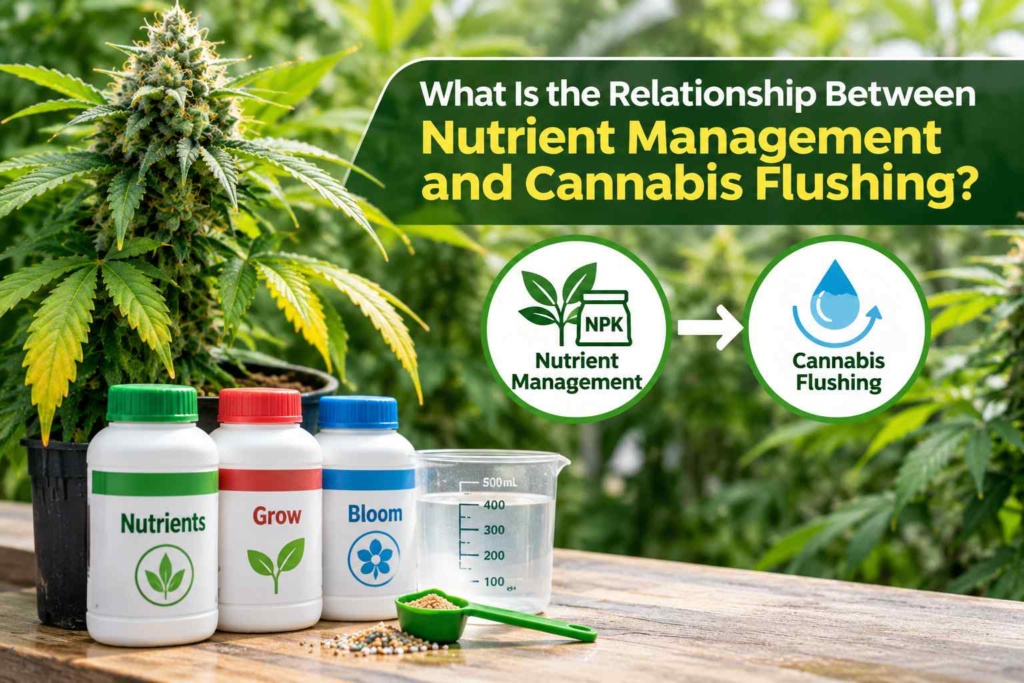
The way cannabis is cultivated can affect the composition and quality of the final product. One commonly discussed practice is the cannabis flush, which involves reducing or stopping fertilizer use before harvest. Some believe this improves flower quality or removes unwanted substances, but scientific evidence does not consistently support these claims. Understanding the relationship between cultivation practices, nutrient levels, and product testing can help consumers make more informed decisions about cannabis safety.
Key Takeaways
- Nutrients help cannabis plants grow, form leaves, and develop flowers.
- Plants need different amounts of nutrients at different growth stages.
- Flushing means stopping fertilizer use and watering with plain water.
- Research shows that flushing does not always improve flower quality.
- A balanced feeding plan matters throughout the plant’s life cycle.
How Do Nutrients Help Cannabis Plants Grow?
Cannabis plants need several nutrients to stay healthy and grow well. Each nutrient has a special job. The right balance helps plants build strong roots, grow leaves, and develop flowers.
The three main nutrients are:
- Nitrogen (N): Helps plants grow leaves and make chlorophyll, the green material that helps them use light.
- Phosphorus (P): Helps roots grow and supports the process plants use to store and share energy.
- Potassium (K): Helps control water levels and supports several basic plant functions.
Plants also need calcium, magnesium, and sulfur. Small amounts of iron, zinc, copper, and manganese are also important.
However, giving plants more fertilizer does not always lead to better growth. Too much fertilizer can cause a build-up of minerals in the growing medium. Too little can also affect plant growth. A good nutrient plan considers the plant’s age, growing medium, water quality, and nutrient needs.
What Is Cannabis Flushing and Why Do Growers Use It?
Flushing means stopping the use of plant food and using plain water during the final stage of growth. The goal is to reduce unused nutrients in the soil or other growing medium before harvest.
Some growers believe this practice helps plants use stored nutrients and improves the taste, smell, and quality of their flowers.
However, these claims need a closer look. Plants take in nutrients through their roots and use them in different parts of their bodies. Some minerals remain inside plant tissues. Giving plants plain water does not remove every mineral already stored in their leaves or flowers.
The term flushing cannabis refers to this change in water and fertilizer use near harvest. The results can vary based on plant type, growing medium, past feeding, and the length of the flushing period.
How Are Nutrient Management and Flushing Connected?
Nutrient management and flushing are two parts of the same growing cycle. Nutrient management supplies minerals during plant growth. Flushing changes the supply near the end of the cycle.
A balanced feeding plan helps plants get the nutrients they need at each stage. It also helps prevent too much fertilizer from building up in the growing medium.
Three key points explain their link:
1. Nutrient build-up: Plants take in minerals from their roots and use them to grow. Some minerals also remain in plant tissues. Stopping fertilizer use does not remove all the minerals the plant has already taken in.
2. Changing plant needs: Nutrient needs change as plants grow. Nitrogen helps with leaf growth, while phosphorus and potassium support other plant functions. Plants still need nutrients as they reach maturity.
3. Growing medium: Soil, coco coir, and hydroponic systems hold and supply nutrients in different ways. This affects how each system responds when the water supply changes.
What Does Research Say About Cannabis Flushing and Consumer Safety?
Scientific studies give a clearer view of flushing and its effects.
A 2024 study published in Industrial Crops and Products looked at flushing in five medical cannabis varieties. The researchers found few changes in plant growth, flower weight, and the levels of cannabinoids and terpenes. The results also varied between plant types.
Another study, published in HortScience in 2025, found that longer flushing periods changed mineral levels in plant tissues. However, the results were not the same for every variety. Longer flushing also reduced dried flower weight in some cases.
These studies show that a fixed flushing period does not work the same way for every plant. They also show that longer flushing does not always lead to better flower quality.
It is also important to distinguish minerals in the growing medium from substances already present inside the plant. Plain water can change nutrient availability around the roots, but it does not guarantee removal of minerals or other substances stored in plant tissues.
From a consumer-health perspective, flushing should not be considered a substitute for laboratory testing. Cannabis products may contain contaminants such as pesticides, heavy metals, or microbial organisms, depending on cultivation, handling, and processing conditions. Independent testing provides more meaningful information about potential contaminants than claims that a product has been flushed before harvest.
What Factors Affect Nutrient Management and Flushing?
Several things affect how a cannabis plant responds to changes in its nutrient supply.
- Plant type: Different cannabis varieties have different growth patterns and nutrient needs.
- Growing medium: Soil, coco coir, and hydroponic systems hold minerals in different amounts.
- Water quality: The minerals and pH levels in water affect how plants take in nutrients.
- Plant age: Nutrient needs change as plants move from early growth to flowering and maturity.
- Past feeding: Earlier fertilizer use affects the amount of minerals in the growing medium and plant tissues.
Each of these points helps explain why growers need to look at the full growth cycle instead of focusing only on the final stage.
Why Is a Balanced Feeding Plan More Useful Than a Fixed Flushing Rule?
Every cannabis plant has its own needs. A fixed flushing schedule does not account for differences in plant type, growing medium, or earlier feeding.
Good nutrient management focuses on giving plants the right balance of minerals throughout their growth. Soil and growing-medium tests can also help show which nutrients are present and whether any are too high or too low.
Leaf color also needs careful attention. Yellow leaves do not always point to a nutrient problem. Some color changes happen as plants grow older and reach maturity. So, growers should look at several signs before deciding what a plant needs.
Final Thought
Nutrient management and cannabis flushing can influence plant development, but neither guarantees a safer final product. Research suggests that flushing practices produce varying results and do not consistently improve flower quality. For consumers, independent laboratory testing for potency and contaminants, along with compliance with applicable regulations, provides a more reliable basis for evaluating cannabis products than cultivation claims alone.
Why Cannabis Genetics Also Matter
Cannabis genetics can influence plant growth, cannabinoid composition, and responses to environmental conditions. Different varieties may respond differently to nutrient management and flushing practices, which helps explain why research findings are not always consistent. Seed companies such as Barney’s Farm provide information about cannabis varieties and their genetic backgrounds. However, genetics and cultivation practices alone cannot establish the safety of a finished cannabis product. Consumers should prioritize appropriate laboratory testing and remain aware of applicable cannabis laws.
Other Articles You May Find of Interest...
- Cannabis Flushing and Consumer Safety: What Research Says About Nutrients and Product Quality
- Finding a Doctor in a New City: A Practical Guide to Organizing Your Search
- How to Spot a Fake or Recycled Lab Report
- Can’t Find a Specialist Near You? Here’s How to Explore Your Care Options
- How to Tell a Licensed Long Island Dispensary From an Unlicensed Shop
- 5 Peptide Price Comparison Websites to Know in 2027
- Peptide Therapy in Bangkok: What to Ask Before You Start