Your Health Magazine Contributor
4201 Northview Drive
Suite 102
Bowie, MD 20716
More Public Safety Articles
Frying the Turkey After Dark: A Backyard Lighting Plan for Thanksgiving
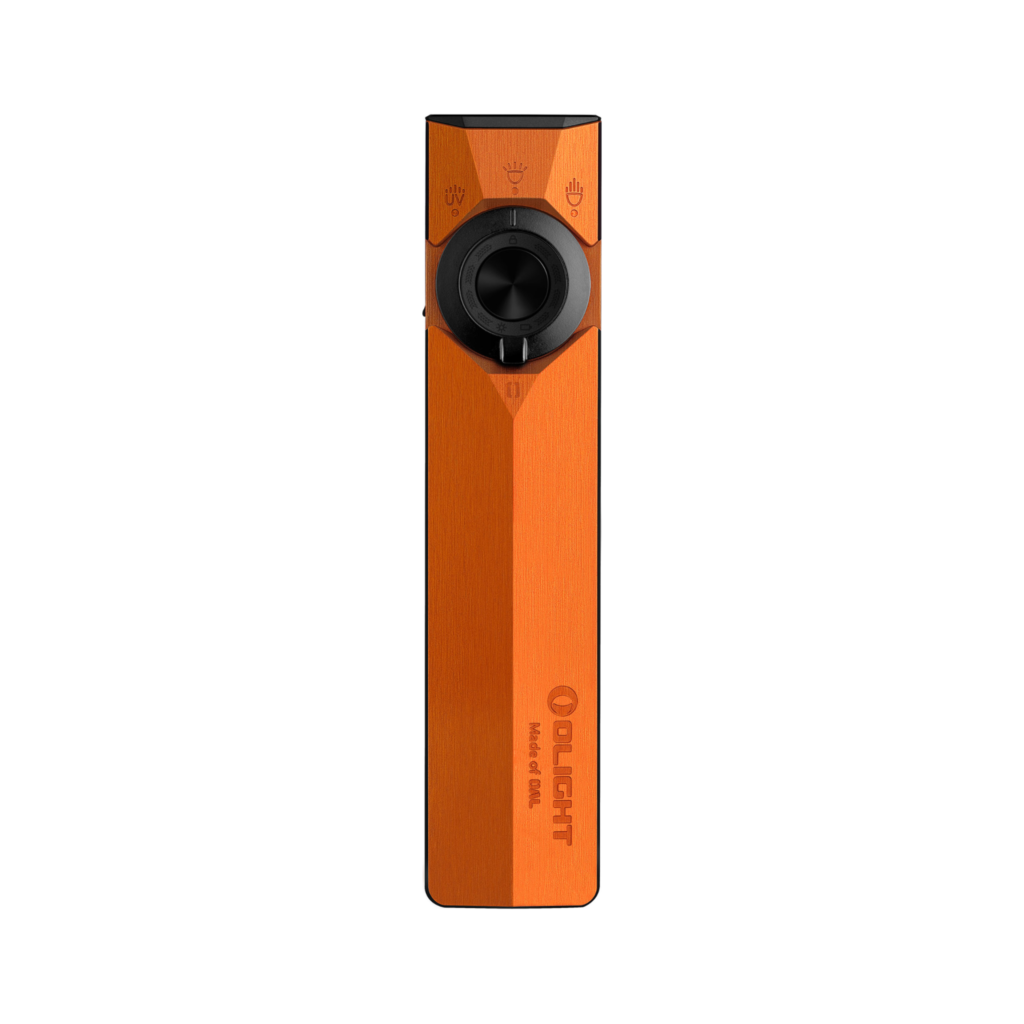
Thanksgiving dinner often involves more than preparing food indoors. For many families, the holiday also means firing up the grill, smoking a turkey, or using an outdoor fryer to prepare the main dish. These activities can take several hours, and when dinner preparations begin in the afternoon, daylight may disappear before the cooking is finished. A backyard that looked easy to manage earlier in the day can become harder to navigate once shadows cover the cooking area.
Good lighting is an important part of preparing an outdoor cooking station, but it should work alongside basic fire and food safety practices. Cooks need to see the oil thermometer, burner controls, fuel connections, and surrounding ground without leaving the cooking area unattended. Children and pets also need to remain at a safe distance. Planning the layout before the sun goes down can make Thanksgiving cooking easier to manage and help prevent avoidable accidents.
A dependable flashlight can help with tasks such as reading a thermometer, checking the ground around the fryer, or inspecting a hose before the burner is lit. Choose a stable, dry place for it on a nearby supply table or counter, rather than setting it on the fryer itself or beside a hot pot. If the light needs to be held, use it from a safe position and avoid reaching across the cooking equipment.
Why Thanksgiving Cooks Run Out of Daylight
Outdoor Thanksgiving cooking rarely follows a perfectly timed schedule. Preparing the turkey, heating oil, checking temperatures, and allowing time for cooking can take longer than expected. Add family visits, side dishes, and last-minute preparations, and it is easy to find yourself checking a fryer or grill after sunset.
The change in visibility affects more than the general appearance of the yard. A cook may struggle to read a thermometer, distinguish a hose from a shadow, or see where a child has left a toy. Small tasks that seem simple in daylight can become distracting when the cooking station is poorly lit. Moving between the kitchen and backyard also becomes less convenient when the route includes steps, uneven ground, or garden equipment.
Rather than waiting until the yard becomes dark, plan the lighting before cooking begins. Look at the entire area, including the route from the house, the location of the cooking equipment, and the place where supplies will be stored. Fixed outdoor lights can illuminate the wider space, while a portable light can help with close-up checks. The goal is to make essential details visible without creating glare or placing electrical equipment near hot oil.
Setting Up a Safe Frying Zone Before Dusk
The location of an outdoor turkey fryer matters more than convenience. Choose a flat, stable outdoor surface well away from the house, garage, wooden deck, overhanging branches, and other structures or combustible materials. Never use an outdoor turkey fryer inside a garage, shed, or enclosed space. Keep the equipment away from foot traffic so that family members do not have to pass close to the burner while carrying plates or drinks.
Before adding oil, read the manufacturer’s instructions and confirm that the fryer is stable. For propane-powered equipment, inspect the hose, regulator, cylinder, and connections for damage or signs of leakage. Keep the propane cylinder upright and positioned as directed by the manufacturer. If you suspect a gas leak, shut off the fuel if it is safe to do so, keep ignition sources away, and do not light the burner until the problem has been resolved.
Deep-frying a turkey also requires careful control of oil volume and temperature. Follow the fryer instructions to determine the correct oil level, and never fill the pot beyond its marked limit. Use a completely thawed, properly prepared turkey, since ice and excess moisture can cause hot oil to splash or overflow. Lower the bird slowly according to the manufacturer’s instructions, and never leave the fryer unattended while it is operating.
Set clear boundaries around the cooking station before guests arrive. Children and pets should stay well away from the fryer, hot oil, burner, and propane equipment. A responsible adult should supervise the area throughout the cooking process. Keep a suitable fire extinguisher nearby and know how to use it. Never attempt to extinguish a grease fire with water, and never move a pot of hot oil to another location.
Light Where It Matters: Thermometer, Burner and Hose
A bright backyard is helpful, but the cook needs to see specific details at close range. The oil thermometer is one of the most important points to monitor during deep-frying. Its display should be readable from a safe position without requiring the cook to lean over the pot or reach across the burner. Arrange the equipment so the thermometer can be checked without touching hot surfaces or disturbing the fryer.
The burner and fuel connections also deserve attention. Before lighting the equipment, use adequate lighting to inspect the hose routing and visible connections. Keep hoses away from hot surfaces, sharp edges, and walking paths. If a connection cannot be checked safely, stop and improve the setup rather than relying on a quick glance. Lighting should make the work easier, not encourage anyone to put their hands or face close to the equipment.
Consider how the light will fall across the cooking station. A wide beam can illuminate the ground, nearby supplies, and the cook’s working area, while a more focused beam can help with a specific inspection. Avoid pointing a bright light directly into another person’s eyes or positioning it where glare makes the thermometer difficult to read. If you use a headlamp or portable light, make sure it does not distract you from monitoring the oil temperature and burner.
Keep a Flashlight at the Station, Not in the Kitchen
A portable light is most useful when it is within easy reach of the outdoor cooking station. If the only available light is inside the kitchen, the cook may have to leave the fryer unattended to retrieve it. That is an unnecessary problem when hot oil and an active burner require continuous supervision. Prepare a designated spot for the light before cooking starts, keeping it away from heat, splashing oil, and any place where it could fall.
Think about how the light will be used throughout the evening. A wide beam can help illuminate a work surface, while a narrower beam can make a small detail easier to inspect. Keep the light’s controls accessible and avoid setting it where a guest might knock it onto the ground. If it becomes dirty or greasy, clean it only when it is safe to do so and follow the manufacturer’s care instructions. A portable light supports safe preparation, but it does not replace proper supervision, temperature checks, or safe handling of hot oil.
Charging Your Rechargeable Flashlight the Night Before
Thanksgiving morning can be busy enough without discovering that a portable light has little battery power left. Charging your rechargeable flashlight the night before Thanksgiving is a simple preparation step that removes one avoidable uncertainty. Check the battery indicator, connect the light to its appropriate charging system, and allow it to charge according to the manufacturer’s instructions. If the model supports more than one charging method, confirm that the cable or charging accessory you plan to use is compatible.
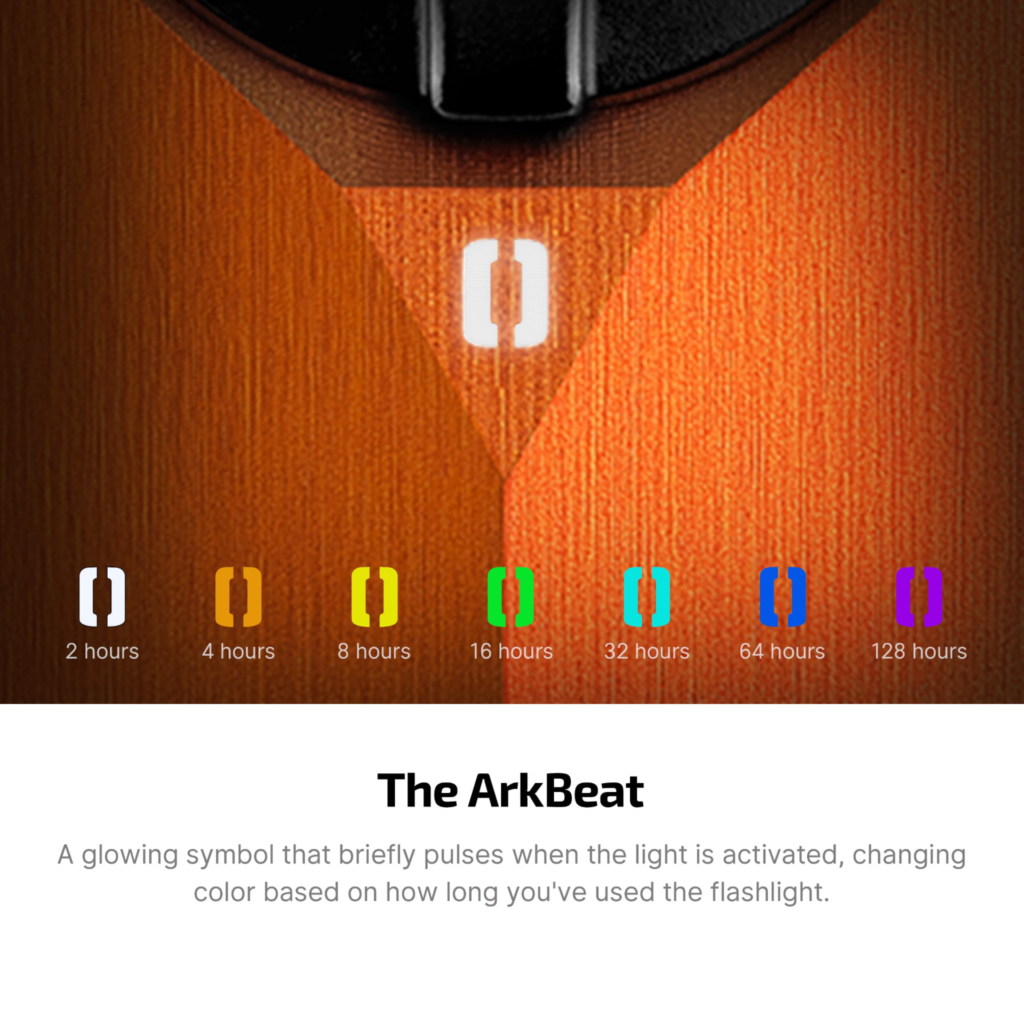
Once charging is complete, store the light in a dry, accessible place where it will not be buried beneath groceries, serving dishes, or outdoor supplies. Keep charging equipment away from the fryer and other sources of heat. Do not charge a light in a location exposed to rain, oil splashes, or accidental spills. Before taking it outside, check that the lens is clean, the controls work, and the battery level is adequate for the planned use.
It is also worth checking any other lighting used around the yard. Replace depleted batteries in backup lights, test fixed outdoor fixtures, and make sure the route between the house and cooking area is visible. If the cooking session may continue for several hours, plan for more than one source of illumination instead of depending on a single device. A fully charged portable light is useful, but a backup plan helps prevent a small equipment problem from becoming a distraction during cooking.
Choosing Appropriate Lighting for Outdoor Cooking
Portable lighting can help improve visibility during outdoor cooking, particularly when checking equipment, organizing supplies, or navigating uneven ground after sunset. Different lighting features serve different purposes, so choosing a suitable device depends on the cooking environment and tasks involved.
For example, the Olight ArkPro Ultra offers both floodlight and spotlight functions, allowing users to switch between broad illumination and a more focused beam. Features such as water resistance and rechargeable batteries may also be useful for outdoor activities, although they do not eliminate the need for proper equipment placement and safe handling.
Regardless of the lighting device used, keep it away from hot oil, open flames, and heated surfaces. Lighting should improve visibility without encouraging anyone to reach over the fryer or leave cooking equipment unattended.
After the Bird: Cleanup and Oil Disposal in the Dark
The end of cooking is not the time to rush. Turn off the burner and shut off the fuel according to the equipment manufacturer’s instructions. Allow the oil and fryer to cool completely before attempting to move, clean, or store anything. Hot oil can remain dangerous long after the flame has been extinguished, so do not drain it or carry the pot while it is still hot. Keep children and pets away from the equipment during cooling.
When it is safe to begin cleanup, use adequate lighting to check the ground for spills, dropped utensils, and other obstacles. Keep oil away from drains, soil, and stormwater systems. Once the oil has cooled completely, follow local waste guidance and the fryer manufacturer’s instructions for disposal. Never pour cooking oil into a sink or storm drain, and never put hot oil into a container that could melt, leak, or fail.
Before putting equipment away, check the cooking area for remaining heat, fuel issues, and discarded materials. Store the fryer and propane equipment according to their instructions, and keep used oil in a suitable container until it can be disposed of properly. Make sure the path back to the house is clear and that any portable lights are switched off and stored safely.
A successful Thanksgiving cookout depends on preparation as much as the meal itself. Choosing a safe location, keeping people away from the fryer, monitoring oil temperature, and preparing lighting in advance can make outdoor cooking easier to manage after sunset. Charge the portable light ahead of time, keep it within reach without placing it near heat, and leave yourself enough time to handle cleanup safely. With a thoughtful setup, the backyard can remain organized and visible from the first preparation through the final cleanup.
Other Articles You May Find of Interest...
- Recovering From a Hip or Knee Replacement Upstairs? Plan Your Emergency Exit Before Surgery Day
- Frying the Turkey After Dark: A Backyard Lighting Plan for Thanksgiving
- Food Recall Checklist: 5 Steps to Take Before You Eat What’s in Your Fridge
- Specifying Fire Doors That Truly Work: How FD Ratings, Hardware, and Installation Fit Together
- Ignition Interlock Care: Best Practices to Prevent Device Issues
- Clear Umbrellas Guide: Visibility, Rain Safety, Styles, and Everyday Uses
- Common Swimming Pool Injuries and How Lifeguards Help Prevent Them