




Your Health Magazine Contributor
4201 Northview Drive
Suite 102
Bowie, MD 20716
More Mental Health Articles
Overcoming Mental Health Barriers: Integrating Depression Counselling in Victoria, BC with Online Addiction Treatment in Saskatchewan
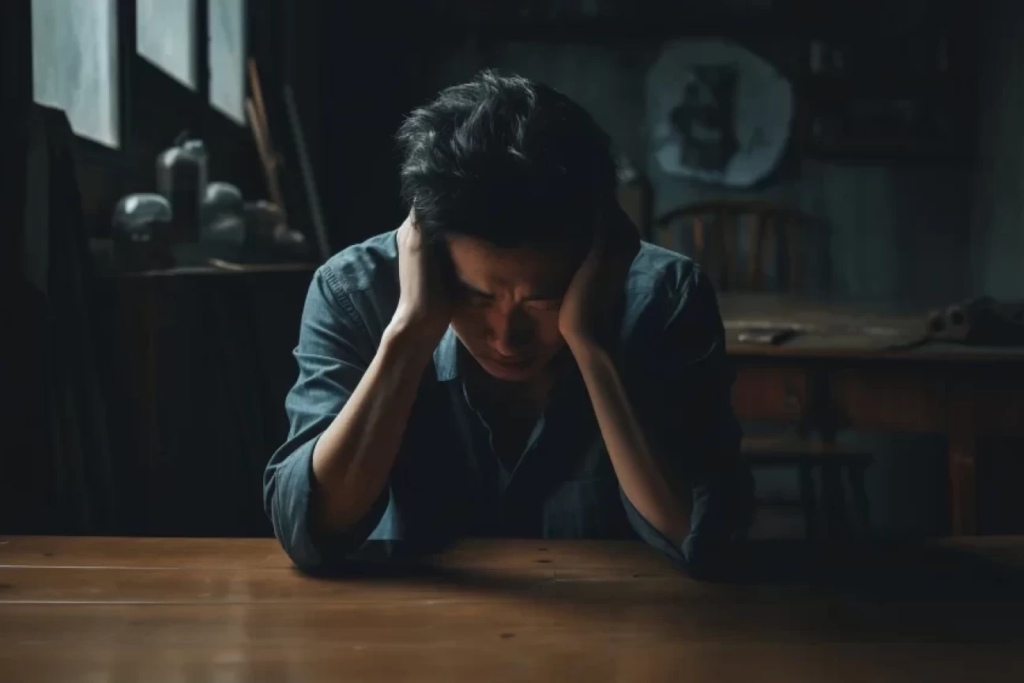
The Connection Between Mental Health and Addiction
Seeking help for mental health challenges often feels like trying to piece together a complex puzzle. Many individuals face overlapping struggles, such as severe worry and substance dependency, requiring specialized, coordinated care. Finding professional anxiety counselling in Victoria, BC can be the first step toward reclaiming your life, especially when dealing with co-occurring conditions. When local resources pair with remote digital programmes, individuals gain access to a wider net of support. This article examines how combining local therapies, such as depression counselling in Victoria, BC, with virtual recovery solutions creates a comprehensive pathway to long-term healing and wellness.
The Intersection of Mental Health and Substance Use
Mental health struggles and substance use disorders rarely exist in isolation. Clinicians often refer to this overlap as a concurrent disorder or dual diagnosis. For instance, an individual might use alcohol or prescription drugs to self-medicate the persistent feelings of sadness and fatigue associated with clinical depression. Conversely, chronic substance misuse can alter brain chemistry, triggering or worsening depressive episodes. Addressing only one side of this equation often leads to relapse or unresolved emotional distress.
By seeking specialized depression counselling in Victoria, BC, individuals can begin to unpack the underlying emotional pain that fuels their addictive behaviours. Local therapists provide a safe, structured environment to identify personal triggers and develop healthier coping mechanisms. This localized, face-to-face therapeutic relationship builds trust and accountability. At the same time, treating the addiction itself requires immediate, focused intervention. When local resources are limited or privacy is a primary concern, looking beyond provincial borders for specialized care becomes a highly effective strategy. This dual approach ensures that both the psychological root causes and the physical habits of addiction receive equal, specialized attention, paving the way for a more stable and sustainable recovery journey.
Overcoming Geographical Barriers with Virtual Care

Geographical location should never dictate the quality of healthcare an individual receives. In the past, residents in remote areas or smaller provinces faced long waitlists and limited options for specialized recovery programmes. Today, digital health platforms bridge these gaps, offering high-quality treatment options regardless of physical location. For example, utilizing online addiction treatment in Saskatchewan allows individuals to access top-tier clinical support from the comfort and privacy of their own homes.
This virtual model of care offers unprecedented flexibility for those balancing work, family, or mobility challenges. It removes the stress of commuting and the fear of social stigma, which often prevent people from seeking help in smaller communities. Online platforms deliver structured group therapy, individual counselling sessions, and educational workshops through secure, encrypted video conferencing. By integrating these remote services with local, in-person therapy, clients benefit from a multi-layered support system. A person can attend their weekly sessions for anxiety counselling in Victoria, BC to manage daily stressors while simultaneously participating in a structured virtual recovery programme. This hybrid model maximizes convenience without compromising the depth or quality of clinical care, making recovery accessible to those who need it most.
Tailored Therapeutic Approaches for Lasting Recovery
Effective recovery relies on evidence-based therapeutic modalities tailored to an individual’s unique circumstances. Clinicians working in both mental health and addiction recovery frequently utilize Cognitive Behavioural Therapy (CBT) and Dialectical Behaviour Therapy (DBT). These approaches help clients recognize negative thought patterns and reformulate their emotional responses. When treating anxiety, these tools teach individuals how to manage physical symptoms of panic and quiet their racing minds.
In-person anxiety counselling in Victoria, BC allows therapists to guide clients through exposure exercises and somatic practices in real-time. These physical, grounding techniques are incredibly valuable for managing acute panic. Meanwhile, virtual platforms delivering online addiction treatment in Saskatchewan often focus on relapse prevention planning, habit tracking, and cognitive restructuring. Combining these methods ensures that clients learn to manage their emotional triggers while actively dismantling their addictive behaviours. This comprehensive strategy helps clients build a robust toolkit for life’s challenges. Rather than relying on temporary fixes, individuals learn to process their emotions constructively, establishing a solid foundation for long-term sobriety and mental wellness. This integrated approach ensures that no aspect of a person’s well-being is overlooked, fostering a deep, holistic recovery that addresses mind, body, and spirit.
Building a Comprehensive Support Network
A successful recovery journey requires a strong, diverse support network that extends beyond the therapist’s office. True healing happens when professional clinical interventions connect seamlessly with daily lifestyle changes and community support. By combining the local touch of depression counselling in Victoria, BC with the broad accessibility of online addiction treatment in Saskatchewan, clients can construct a highly adaptable safety net.
Local therapy sessions offer immediate, physical connection and community integration, helping clients rebuild their offline lives and establish healthy local routines. At the same time, virtual recovery communities provide round-the-clock resources, peer support forums, and digital tracking tools that keep individuals engaged between sessions. This continuous loop of support prevents the feelings of isolation that often lead to relapse. Family members can also participate in virtual education sessions, learning how to support their loved one’s recovery without enabling harmful habits. Ultimately, this blended approach empowers individuals to take control of their healing process, drawing strength from both local professionals and virtual communities to maintain positive momentum. This collaborative framework ensures that support is always within reach, whether through an in-person meeting down the street or a digital workshop on a tablet.
Conclusion

Overcoming the dual challenges of mental health struggles and addiction requires a modern, flexible approach to healthcare. By integrating local, in-person services with innovative remote therapy options, individuals can access the comprehensive care they deserve. This hybrid model breaks down geographical barriers, reduces social stigma, and provides a continuous network of professional support. Healing is rarely a linear path, but utilizing a diverse range of therapeutic resources ensures that help is always accessible. Taking the first step toward wellness might feel daunting, but with the right combination of local and virtual care, long-term recovery and emotional stability are entirely within reach.
Other Articles You May Find of Interest...
- What Adults Should Know Before Booking a Private ADHD Assessment
- Overcoming Mental Health Barriers: Integrating Depression Counselling in Victoria, BC with Online Addiction Treatment in Saskatchewan
- SD Psychology Helps San Diego Families Navigate Grief and Change
- When Arguments Turn Into Shouting: What Happens in the Body, and What a Husband Can Change
- How Technology Is Making Mental Health Support More Accessible
- Can Talking to New People Online Help Reduce Feelings of Social Isolation?
- Why Early Mental Health Support Is Important for a Child’s Development





