Your Health Magazine Contributor
4201 Northview Drive
Suite 102
Bowie, MD 20716
More Beauty Skin Care & Gorgeous Smiles Articles
Why Patients Choose V-line Jaw Reduction in Korea for a Softer Facial Profile
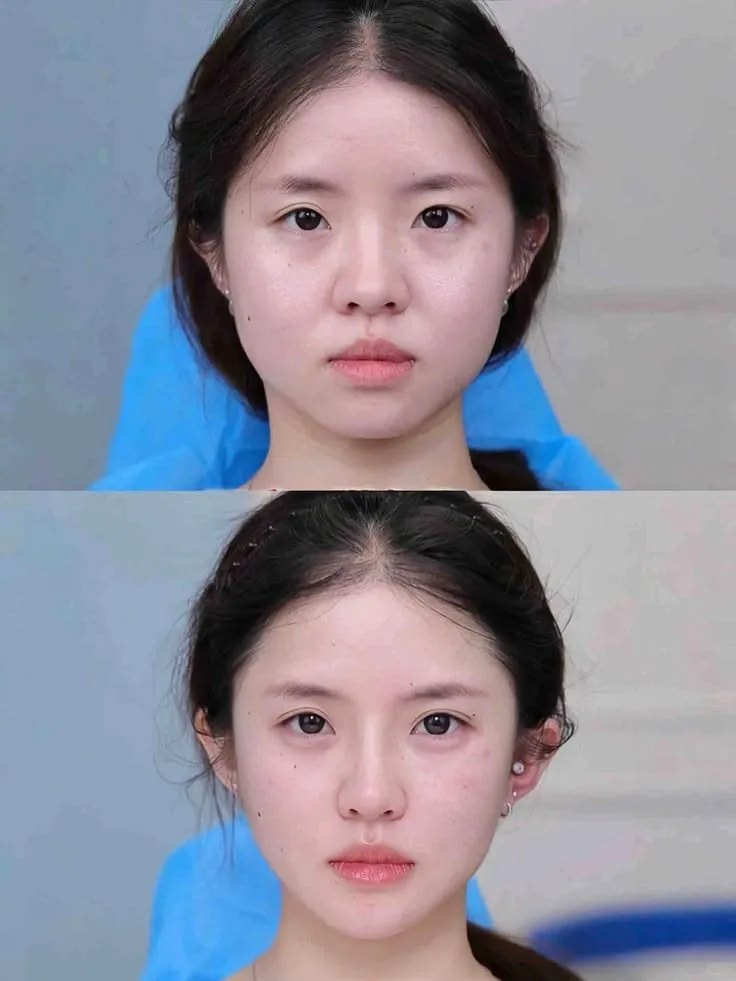
Facial shape can influence how people feel about their appearance, especially when the lower jaw looks wider or more angular than they prefer. Some patients explore V-line jaw reduction in Korea to achieve a narrower, more tapered facial contour. South Korea has become a destination for facial contouring procedures, with clinics offering specialized consultations and surgical planning. However, jaw reduction is a major operation involving bone reshaping, anesthesia, and recovery. Understanding the procedure, its limitations, and potential complications is essential before deciding whether surgery is appropriate.
Understanding the Purpose of V-line Surgery
V-line surgery is a facial contouring procedure designed to change the shape of the lower jaw and chin. Depending on a patient’s anatomy, surgeons may reduce the width of the jaw angles, reshape the chin, or combine both techniques. The aim is generally to create a smoother transition from the cheeks toward the chin. However, the final appearance depends on bone structure, soft tissue, skin elasticity, and healing. A thorough examination helps determine whether the desired changes are anatomically possible and whether surgery offers a reasonable option.
Why Korea Attracts Facial Contouring Patients
South Korea is known internationally for its cosmetic surgery industry, including procedures that reshape facial bones. Some patients consider Korean clinics because they offer consultations focused on facial proportions and individualized surgical planning. Certain facilities also provide imaging technology that helps surgeons assess jaw structure before an operation. Still, a clinic’s location or reputation does not establish its safety. Patients should independently verify the surgeon’s qualifications, hospital accreditation, anesthesia arrangements, and emergency care resources. Clear communication about surgical limitations is equally important when seeking treatment abroad.
How Surgeons Plan Jaw Reduction Procedures
Planning begins with an assessment of facial anatomy, medical history, dental alignment, and the patient’s expectations. Surgeons may use clinical photographs, three-dimensional imaging, and computed tomography scans when clinically appropriate to examine the jawbone and nearby nerves. These findings help guide decisions about the amount and location of bone reshaping. Patients should also discuss whether chin surgery or other procedures are necessary. A responsible surgical plan considers facial balance without promising a particular appearance. Understanding the proposed technique allows patients to evaluate its benefits and possible consequences.
What Patients Should Know About Surgical Risks
Jaw reduction surgery carries risks that deserve careful consideration. Possible complications include bleeding, infection, facial asymmetry, prolonged swelling, nerve injury, and changes in sensation around the lower lip or chin. Some patients may experience difficulties with chewing, discomfort, or dissatisfaction with the final contour. General anesthesia introduces additional medical risks. The extent of these concerns depends on individual health, surgical technique, and postoperative care. Patients should ask how complications are managed, whether revision surgery might become necessary, and what support is available after returning home.
Recovery and Healing After Jaw Surgery
Recovery after jaw reduction requires patience because swelling and tissue healing continue well beyond the initial postoperative period. Patients may experience facial tightness, bruising, discomfort, and temporary changes in sensation. Surgeons typically provide instructions covering oral hygiene, medication, dietary restrictions, and physical activity. Soft foods may be necessary during early recovery, depending on the procedure. Follow-up appointments help monitor healing and identify complications. People traveling for surgery should arrange sufficient time for postoperative assessment before flying home. Final facial contours may take several months to become apparent.
Choosing a Qualified Surgeon and Clinic
Selecting a surgeon involves more than reviewing before-and-after photographs or comparing treatment prices. Patients should confirm the surgeon’s relevant training, professional registration, experience with facial bone procedures, and access to appropriate surgical facilities. A detailed consultation should explain the proposed operation, expected recovery, alternative treatments, and possible complications. Patients considering V-line jaw reduction in Korea should also ask about language support, follow-up appointments, and emergency arrangements. Independent medical advice can help clarify whether surgery is suitable. Decisions should reflect personal health needs rather than pressure from advertising or appearance trends.
Conclusion
A softer facial profile may appeal to people who feel their lower jaw is unusually broad or angular. However, facial contouring surgery requires realistic expectations, careful medical assessment, and a clear understanding of potential risks. Choosing an experienced surgeon and arranging reliable postoperative care are essential parts of the decision. Readers can explore general healthcare information through Your Health Magazine at yourhealthmagazine.net while seeking personalized advice from qualified medical professionals. Ultimately, informed decisions should prioritize long-term health, safety, and individual facial anatomy over cosmetic trends.
Other Articles You May Find of Interest...
- Why Patients Choose V-line Jaw Reduction in Korea for a Softer Facial Profile
- When Breast Revision Surgery in Korea Makes Sense After a Disappointing Result
- Choosing the Right Surgeon for Asian Rhinoplasty in Korea Without Regrets
- Double Eyelid Surgery in Korea Recovery Timeline from Swelling to Final Look
- Are Glutathione IV and Injections in Korea Safe for Skin Brightening Goals
- Peptides Are Everywhere in Skincare. What Are They?
- Mommy Makeover Surgery Cost: Prices and What to Expect
Featured Doctors and Practices