




Your Health Magazine Contributor
4201 Northview Drive
Suite 102
Bowie, MD 20716
More Healthcare Administration Articles
Common Maintenance Mistakes That Can Make Medical Facilities Less Welcoming
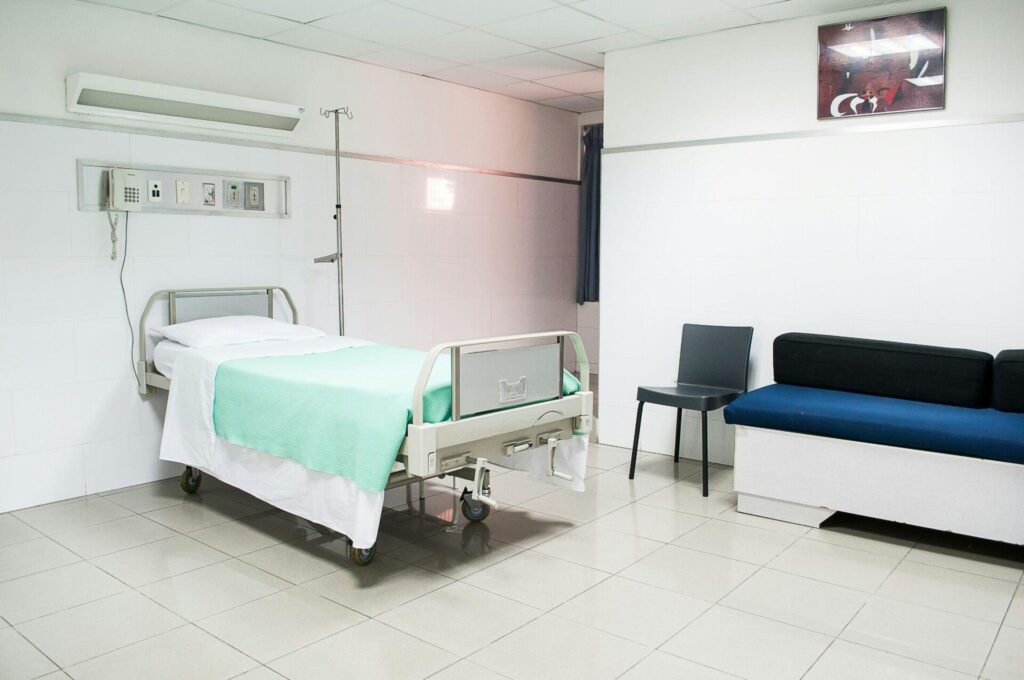
Photo by Martha Dominguez de Gouveia on Unsplash
First impressions matter in healthcare environments. Patients visiting a medical facility may already feel anxious about appointments, treatments, or unfamiliar procedures. The condition of the building, its surroundings, and its shared spaces can influence how comfortable and confident they feel before meeting a healthcare professional.
While medical expertise and patient care remain the primary priorities, the physical environment also contributes to the overall experience. Clean entrances, comfortable waiting areas, functioning equipment, and clearly maintained facilities help communicate professionalism and attention to detail.
Unfortunately, certain maintenance problems can develop gradually and escape attention until patients or visitors begin noticing them. From neglected exterior surfaces to uncomfortable indoor temperatures, these issues can make an otherwise well-managed medical facility feel less welcoming.
Recognising common maintenance mistakes allows healthcare administrators to make practical improvements that support cleanliness, accessibility, and a more positive patient experience.
Neglecting the Building’s Exterior and Entrance Areas
The exterior of a medical facility creates an impression before patients enter the building. Parking areas, walkways, entrances, and surrounding surfaces all influence how visitors perceive the property’s condition.
Stained concrete, accumulated dirt, overflowing bins, and poorly maintained outdoor areas can make a facility appear neglected. These problems may become particularly noticeable at clinics experiencing frequent vehicle and pedestrian traffic.
Regular exterior cleaning helps preserve a professional appearance. Facility maintenance teams looking for suitable industrial cleaning equipment can explore solutions from hotsyhouston.com, which offers commercial pressure washers, cleaning detergents, and equipment support. These resources can help maintain appropriate outdoor surfaces, including parking areas, service zones, and paved entrances, as part of a structured property maintenance programme.
Exterior upkeep also involves removing debris, maintaining landscaping, and ensuring entrance lighting functions properly. Clear pathways and accessible entrances help patients navigate the property comfortably, particularly those using mobility aids.
A well-maintained exterior demonstrates that attention to detail begins before visitors reach the reception desk.
Overlooking Cleanliness in Waiting Areas
Waiting rooms are among the most frequently used spaces in medical facilities. Patients, accompanying family members, and administrative staff may spend considerable time in these areas throughout the day.
Because waiting rooms receive constant traffic, maintaining their appearance requires regular attention. Dusty surfaces, stained upholstery, cluttered tables, and untidy reception counters can make the environment feel uncomfortable.
Cleaning schedules should account for how frequently different surfaces are touched. Reception counters, door handles, seating areas, and shared equipment may require particular attention according to the facility’s infection prevention procedures.
Furniture condition also influences perceptions of cleanliness. Torn upholstery and damaged seating can be difficult to maintain effectively and may need repair or replacement.
Providing accessible waste bins and keeping informational materials organised can further improve the space.
A clean, orderly waiting area helps establish a calm atmosphere while supporting the facility’s broader hygiene standards.
Allowing Poor Lighting to Affect Patient Comfort
Lighting is sometimes treated as a purely functional requirement, but it can have a substantial influence on how welcoming a medical environment feels.
Harsh overhead lighting may create an uncomfortable atmosphere in waiting rooms, while insufficient illumination can make corridors and entrances difficult to navigate.
Different areas require different lighting arrangements. Examination rooms need suitable task lighting for clinical activities, while reception and waiting areas can benefit from balanced illumination that supports comfort and visibility.
Natural daylight can make appropriate spaces feel more open and inviting. Where windows are available, maintaining clean glazing and avoiding unnecessary obstructions helps maximise available light.
Regular inspections should identify flickering fixtures, damaged fittings, and poorly illuminated pathways.
Combining suitable lighting with consistent maintenance improves both the practical usability and appearance of medical facilities.
Ignoring Temperature and Ventilation Problems
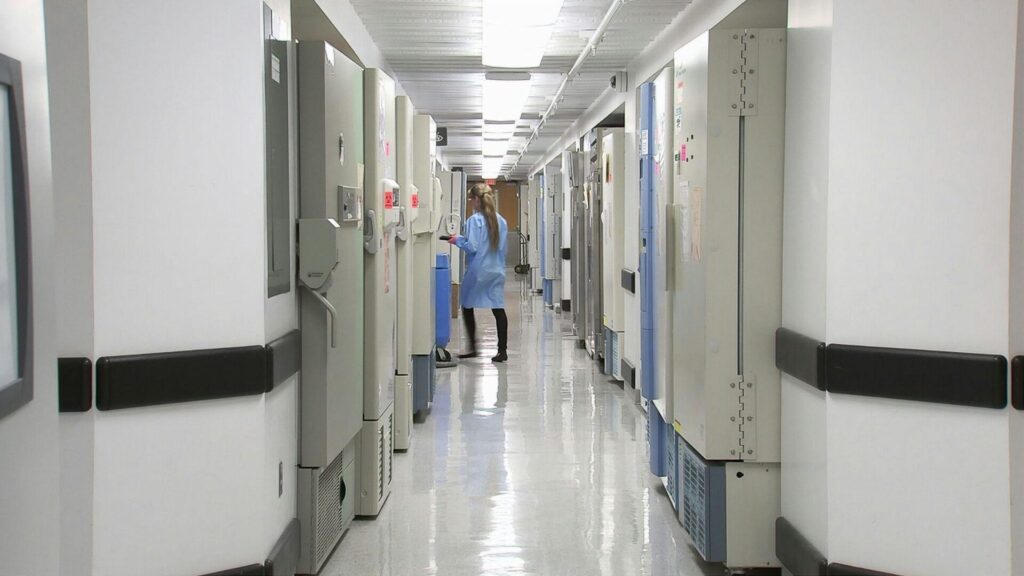
Photo by CDC on Unsplash
Indoor comfort can influence the experience of patients who spend extended periods waiting for appointments. Rooms that feel excessively warm, cold, or poorly ventilated may increase discomfort, especially for individuals already experiencing health concerns.
Heating, ventilation, and air conditioning systems require regular professional maintenance to operate as intended. Dirty filters, malfunctioning controls, and neglected equipment can affect system performance.
Healthcare facilities may also have specific ventilation requirements depending on the services they provide. Treatment rooms, laboratories, and other specialised environments can require more carefully controlled conditions than general reception areas.
Maintenance teams should follow applicable healthcare ventilation standards and manufacturer recommendations when inspecting or servicing equipment.
Clear reporting procedures allow employees to identify uncomfortable conditions before they become recurring complaints.
Maintaining appropriate indoor temperatures and dependable ventilation contributes to a more comfortable environment for patients and staff.
Forgetting About Restrooms and Accessibility Features
Restrooms can strongly influence how visitors evaluate the overall condition of a medical facility. Even when clinical spaces appear well maintained, neglected restrooms may create concerns about the organisation’s attention to hygiene.
Frequent inspections help ensure that soap, toilet paper, hand-drying supplies, and other essentials remain available.
Plumbing problems should also receive prompt attention. Leaking taps, blocked drains, and malfunctioning fixtures can create inconvenience while increasing maintenance expenses.
Accessibility deserves equal consideration. Doorways, handrails, accessible toilets, ramps, and designated parking areas should remain functional and unobstructed.
Patients with mobility limitations may encounter significant difficulties when these features are poorly maintained.
Regular accessibility reviews help facility managers identify practical improvements that support independent movement and a more inclusive patient experience.
Waiting Too Long to Address Small Repairs
Minor maintenance problems can gradually become more expensive when they remain unresolved. A damaged floor tile, leaking pipe, or malfunctioning door may initially appear insignificant but can affect safety and daily operations.
Preventive maintenance programmes help facilities identify problems before they require major repairs.
Regular building inspections should cover flooring, plumbing, doors, lighting, ventilation systems, and other essential infrastructure.
Documenting reported problems also improves accountability. A central maintenance record allows administrators to track repairs, prioritise urgent issues, and identify equipment that repeatedly requires attention.
Scheduling maintenance around clinical operations can reduce unnecessary disruption to appointments and patient services.
The objective is to maintain a functional environment while preventing small problems from becoming larger operational challenges.
Creating a More Welcoming Environment Through Consistent Maintenance
Maintaining a medical facility requires coordination between administrators, cleaning personnel, technical specialists, and healthcare staff. Each group contributes to creating an environment that supports both operational efficiency and patient comfort.
Clear maintenance schedules and defined responsibilities help ensure that important tasks are completed consistently. Staff feedback can also reveal concerns that may not appear during formal property inspections.
Patient observations provide another useful perspective. Comments about seating comfort, cleanliness, accessibility, or room temperature can highlight areas where practical improvements would make a difference.
Rather than treating maintenance as a series of occasional repairs, healthcare organisations benefit from viewing it as an ongoing part of patient experience management.
Ultimately, welcoming medical facilities combine professional healthcare services with surroundings that communicate care and reliability. Clean entrances, comfortable waiting rooms, dependable infrastructure, and accessible amenities all contribute to this impression.
By addressing overlooked maintenance issues and establishing consistent standards, medical facilities can create environments where patients feel more comfortable, respected, and confident throughout their visits.
Other Articles You May Find of Interest...
- Common Maintenance Mistakes That Can Make Medical Facilities Less Welcoming
- Virtual Medical Receptionist: What AI Should Handle
- How Preventive Healthcare Is Changing the Way Hospitals Manage Patient Care
- How Healthcare Organizations Can Choose a Data Analytics Company in 2026
- How Credentialing Gaps Turn Into Unpaid Claims in Mental Health Practices
- Acute vs Subacute Rehab: Financial Evaluation Guide for Family Caregivers
- The Financial Challenges of Running an Independent Healthcare Practice





