Your Health Magazine Contributor
4201 Northview Drive
Suite 102
Bowie, MD 20716
More Workplace Health & Safety Articles
A Clearer View of Workplace Health and Safety: Choosing Welding Helmets and Lenses
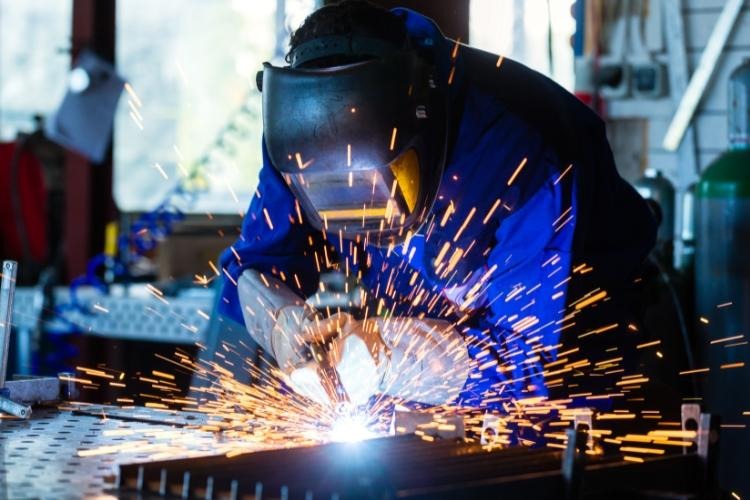
Alt text: Welder Welding Metal in Workshop with Sparks
Image link: https://www.canva.com/photos/MAA_qoEhn0w/
Workplace safety is essential in any environment involving tools, machinery, heat, and potentially hazardous materials. For welders, protecting the eyes and face is particularly important because welding operations expose workers to intense light, ultraviolet (UV) and infrared (IR) radiation, sparks, and flying debris. Choosing appropriate protective equipment can help prevent serious injuries and support long-term eye health.
A welding helmet is one of the most important pieces of personal protective equipment (PPE) in a welding environment. However, not all helmets and lenses offer the same features, and choosing the right combination requires understanding the specific hazards involved. From choosing the right lens shade to keeping protective covers clear, several factors contribute to a safer, more comfortable work experience.
Understanding the Risks of Welding Without Proper Eye Protection
Welding exposes workers to several eye-related hazards that can have both immediate and lasting consequences. The intense light produced by an electric arc contains ultraviolet and infrared radiation, which can damage the eyes if adequate protection is not used. Exposure to welding arcs can cause photokeratitis, commonly known as welder’s flash, a painful condition involving inflammation of the cornea.
Symptoms may include eye pain, redness, light sensitivity, tearing, and blurred vision. Repeated or prolonged exposure to harmful radiation without suitable protection can also contribute to more serious eye health concerns. This makes appropriate welding helmets and protective lenses essential, not optional workplace accessories.
Radiation is not the only concern. Sparks, hot metal fragments, grinding particles, and slag can cause physical injuries when they contact the eyes or surrounding facial areas. Even routine activities such as cleaning a weld or removing slag can expose workers to flying debris, making additional protective eyewear an important part of a comprehensive safety approach.
Choosing a Welding Helmet That Offers Reliable Protection
A suitable welding helmet should provide adequate coverage for the eyes, face, and neck while allowing the wearer to work comfortably. The helmet must accommodate the specific welding process and offer sufficient protection against radiant energy, sparks, and heat. Fit matters because an uncomfortable or poorly positioned helmet can be distracting and may not provide consistent coverage.
Welders should consider the helmet’s weight, headgear adjustability, viewing area, and compatibility with the appropriate protective lenses. A helmet that fits securely and comfortably is more likely to be worn correctly throughout the working day. Adjustable headgear can also help accommodate different users and reduce unnecessary pressure during extended welding sessions.
Another important consideration is the type of lens system. Traditional welding helmets use fixed-shade lenses, while auto-darkening helmets automatically adjust their lens darkness when an arc is detected. Both options can provide appropriate protection when correctly selected, maintained, and used according to the manufacturer’s specifications.
Auto-darkening technology can make certain welding tasks more convenient by allowing workers to see their workpiece before striking an arc without repeatedly lifting their helmets. However, users should check the lens settings, sensitivity, and functionality before beginning work. Convenience should never replace proper equipment selection or routine safety checks.
Why Choosing the Correct Lens Shade Matters
Lens shade selection is one of the most important aspects of welding eye protection. Welding filters are designed to reduce the amount of radiant energy reaching the eyes, and their darkness is identified by a shade number. Generally, a higher shade number indicates a darker lens that allows less visible light to pass through.
The correct shade depends on several factors, including the welding process, amperage, and electrode size. For example, shielded metal arc welding, gas metal arc welding, and gas welding have different requirements. Selecting an unsuitable shade can make it difficult to see the work area or provide insufficient protection against the radiation generated during the process.
Workers should always consult applicable workplace safety standards and manufacturer recommendations when choosing a lens. OSHA provides guidance on minimum protective lens shade requirements for different welding and cutting operations. Choosing the right shade balances visibility and protection without compromising eye safety.
Remember that darker does not automatically mean better. An unnecessarily dark lens can make it difficult to monitor the welding process accurately, potentially affecting work quality and creating additional hazards. The goal is to select a lens shade that provides the required protection while allowing sufficient visibility for the task.
The Importance of Clear Protective Lenses
While shaded welding lenses receive much of the attention, clear protective lenses also play an important role in workplace safety. These lenses are commonly used as cover lenses to protect the more expensive filter lens from scratches, dust, sparks, and other contaminants. Keeping the primary filter lens in good condition helps maintain visibility and supports the effectiveness of the overall protective equipment.
Clear lenses are particularly useful because welding environments can be harsh on protective equipment. Small particles, grinding debris, and accumulated residue can gradually damage exposed lens surfaces. Replacing worn or damaged cover lenses helps preserve the equipment and prevents unnecessary visibility problems.
Clear safety glasses also provide an additional layer of protection when worn underneath a welding helmet. OSHA recommends appropriate primary eye protection, such as safety glasses or goggles, in addition to welding helmets where workplace hazards require it. This is especially important when workers lift their helmets to inspect welds, use chipping tools, or grind.
Ridge Products Welding offers a range of welding helmets, shaded lenses, and clear protective lenses for different workplace requirements. Workers can explore the entire Ridge Products Welding line when choosing suitable protective options for their workshops.
Maintaining Welding Helmets and Protective Lenses
Even high-quality protective equipment requires regular inspection and maintenance. Scratched, cracked, dirty, or damaged lenses can reduce visibility and make it harder to spot potential hazards. Workers should inspect their helmets and lenses before each use and replace components that show signs of damage or deterioration.
Cleaning is another important part of equipment maintenance. Dust, fingerprints, welding residue, and other contaminants can accumulate on lens surfaces, reducing clarity over time. Following the manufacturer’s cleaning instructions helps prevent accidental damage and keeps protective equipment in suitable working condition.
Headgear and helmet components should also be checked regularly. Loose fittings, damaged straps, and worn adjustment mechanisms can affect how securely a helmet fits. Any defective components should be repaired or replaced before the equipment is used again.
Building a More Comprehensive Workplace Safety Routine
Protective helmets and lenses are only one part of an effective welding safety program. Workers should also wear suitable protective clothing, gloves, and footwear to reduce exposure to heat, sparks, and molten material. Depending on the environment and materials involved, adequate ventilation and respiratory protection may also be necessary.
Employers should ensure workers understand how to select, inspect, and use their protective equipment correctly. Safety training should cover the hazards associated with different welding processes, appropriate lens shades, and the importance of protecting nearby workers and bystanders from welding radiation. Regular equipment checks and clear workplace procedures can further reduce preventable injuries.
Importantly, welding safety should extend beyond the person operating the equipment. Anyone working nearby or observing welding activities may also require suitable protection against harmful radiation and flying particles. Appropriate barriers and restricted access to welding areas can help protect everyone in the workplace.
Conclusion
Choosing the right welding helmet and protective lenses is an important investment in workplace health and safety. Suitable helmets, correctly shaded filter lenses, and clear protective covers work together to reduce exposure to harmful radiation, sparks, and flying debris. Regular inspections, proper maintenance, and consistent safety practices help ensure that this equipment continues to provide reliable protection.
Ultimately, good visibility and effective protection should go hand in hand. By understanding workplace hazards and selecting appropriate protective equipment, welders and employers can create safer working environments while supporting long-term eye health.
Other Articles You May Find of Interest...
- How Medical Evaluation Delays Extend Time Away From Work
- How to Become More Self-Aware at Work: A Guide for Healthcare Technology Professionals
- A Clearer View of Workplace Health and Safety: Choosing Welding Helmets and Lenses
- How Repetitive Desk Work Can Affect Joint and Muscle Comfort
- Staying Healthy While Building a Business Remotely
- What Is Stagnant Water? Where It Forms and Why It Matters
- How Continuous Iaq Monitoring Changes What Engineers Can Specify Under Ashrae 62.1