Your Health Magazine Contributor
4201 Northview Drive
Suite 102
Bowie, MD 20716
More Health & Wellness Tips Articles
Why Hiring a Treadmill Can Be Better Than Buying One
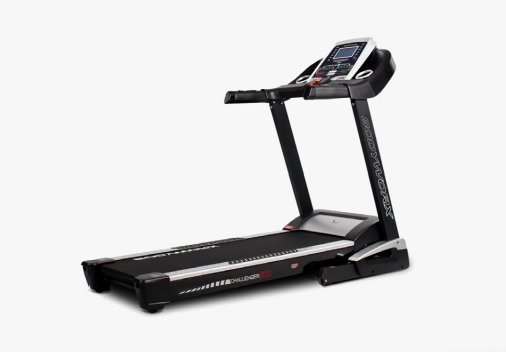
Creating a consistent exercise routine at home has become an appealing option for people who want greater control over their fitness schedules. Treadmills are particularly popular because they allow users to walk, jog or run indoors without depending on suitable weather or access to outdoor exercise areas. However, purchasing a treadmill can involve a considerable financial commitment, especially when choosing equipment with advanced features. For people who are unsure about their long-term fitness needs, hiring a treadmill may provide a practical alternative that allows them to exercise at home without immediately investing in ownership.
The decision between hiring and buying depends on several factors, including budget, available space, exercise goals and how frequently the equipment will be used. Renting can be particularly useful for beginners, people returning to exercise or households wanting to try different equipment before making a purchase. Those considering treadmill hire in Sydney can explore available rental options and compare equipment suited to different home workout requirements. Understanding the advantages and limitations of treadmill hire can help individuals choose an arrangement that supports their fitness goals without creating unnecessary expenses.
Understanding the Difference Between Hiring and Buying a Treadmill
Buying a treadmill means purchasing the equipment outright and taking responsibility for its ongoing use, maintenance and eventual disposal. Ownership allows users to keep the machine for as long as they choose, provided it remains functional and suitable for their needs. However, the initial purchase price can be substantial, particularly for treadmills designed for regular running or intensive exercise.
Hiring a treadmill involves paying to use equipment for an agreed rental period rather than purchasing it permanently. Rental arrangements may vary in duration, pricing and included services, so it is important to review the terms before committing. For people who are still developing an exercise routine, hiring provides an opportunity to use a treadmill without making a long-term ownership decision. It can also be suitable for temporary fitness requirements, such as maintaining activity during a particular season or testing whether indoor exercise fits into everyday life. Neither option is automatically better for everyone, but understanding the differences can make the decision easier.
Comparing Upfront Costs and Ongoing Expenses
One of the main considerations when choosing between hiring and buying is the amount of money required at the beginning. Purchasing a treadmill generally involves paying the full price upfront or arranging a payment plan. Depending on the model, additional costs may include delivery, assembly, accessories and future maintenance. These expenses can make ownership less appealing for people who are uncertain about how often they will use the equipment.
Hiring usually spreads the cost across an agreed rental period, potentially making the initial financial commitment more manageable. However, the total expense depends on the hire rate, rental duration and any additional charges. Delivery, collection, minimum rental periods and other conditions should be considered when comparing options. Over a longer period, rental payments may eventually exceed the purchase price of a comparable treadmill. A useful approach is to calculate the expected cost of both options over the intended period of use. This helps individuals make decisions based on their actual requirements rather than focusing only on the initial payment.
Why Treadmill Hire Offers Greater Flexibility
Fitness routines can change as personal circumstances, schedules and exercise preferences develop. Someone beginning a walking program may later become interested in running, while another person may discover that outdoor activities are more enjoyable than indoor workouts. Purchasing equipment before understanding these preferences can result in an expensive machine receiving limited use.
Hiring provides flexibility because users can access equipment for a defined period without necessarily committing to permanent ownership. This can be useful for people testing a new fitness routine, preparing for a specific event or maintaining exercise during periods when outdoor activity is less convenient. Some rental providers may offer different treadmill models or arrangements, although availability and exchange conditions vary. Users should confirm whether extensions, early returns or equipment changes are permitted under the rental agreement. Flexibility is particularly valuable when fitness goals are still developing, allowing individuals to assess their needs before deciding whether purchasing a treadmill would be worthwhile.
Choosing Equipment That Suits Your Fitness Goals
Different treadmills are designed for different types of exercise. A person who primarily wants to walk at a comfortable pace may not require the same equipment specifications as someone planning regular running sessions. Factors such as motor performance, belt dimensions, speed range, incline settings and user weight capacity can influence whether a treadmill is suitable for a particular household.
Hiring can provide an opportunity to experience these features before committing to a purchase. Beginners may discover that a simple treadmill meets their needs, while more active users might prefer equipment with a larger running surface or additional workout settings. It is important to choose a model that supports the intended exercise intensity and accommodates the user’s physical requirements. Features should be evaluated according to practical usefulness rather than the number of functions advertised. Individuals returning to exercise after an injury or managing a medical condition should seek appropriate professional guidance about suitable activity levels. Selecting equipment that matches realistic goals can make home workouts more comfortable and sustainable.
Considering Space and Storage Requirements
A treadmill can occupy a significant amount of floor space, particularly when the machine requires additional clearance for safe use. Before purchasing or hiring equipment, households should measure the intended workout area and consider access through doorways, hallways and staircases. Ceiling height may also be important for taller users or treadmills with incline functions.
Hiring can be useful for people who are unsure whether a treadmill will fit comfortably into their living arrangements. Using the equipment for a limited period allows households to assess how it affects room layout, movement and everyday activities. This can be particularly relevant for apartment residents or people working with smaller spaces. However, rented treadmills still require appropriate placement, ventilation and a stable surface. Users should follow the manufacturer’s safety clearance recommendations and avoid positioning equipment where it blocks exits or creates hazards. If the treadmill is no longer needed, returning hired equipment may be more convenient than finding long-term storage or arranging the sale of an owned machine.
Understanding Maintenance and Equipment Support
Treadmills contain moving parts and electronic components that require appropriate care to maintain safe and reliable operation. Depending on the model, maintenance may involve cleaning, checking belt alignment, monitoring lubrication requirements and inspecting components for signs of wear. Owners are generally responsible for organising maintenance and repairs once any applicable warranty or service arrangement no longer covers the equipment.
Some treadmill hire agreements include equipment servicing or support for faults that occur during normal use. However, the extent of this assistance depends on the provider’s terms and should not be assumed. Customers should ask who is responsible for maintenance, what happens if the treadmill develops a fault and whether replacement equipment is available when repairs are necessary. They should also clarify their responsibilities for accidental damage or misuse. Understanding these conditions can prevent unexpected expenses and interruptions to exercise routines. Regardless of whether a treadmill is hired or owned, users should follow operating instructions and stop using equipment that shows signs of malfunction.
Knowing When Buying a Treadmill Makes More Sense
Although hiring offers several advantages, purchasing a treadmill may be more economical for people who expect to use it regularly over many years. Someone with an established home fitness routine may benefit from owning equipment that is always available without ongoing rental payments. Ownership also allows users to select a specific model and keep it for as long as it remains suitable.
Buying may be particularly appealing when the household has sufficient space, a stable exercise routine and the budget to cover the initial purchase and future maintenance. However, potential owners should consider equipment quality, warranty conditions, repair availability and expected lifespan before making a decision. Comparing the total cost of ownership with rental expenses over a realistic period can help determine which arrangement provides better value. Hiring may still be useful before purchasing because it allows users to assess whether treadmill exercise suits their preferences. The most appropriate choice depends on how consistently the equipment will be used and whether the household is prepared for the responsibilities associated with ownership.
Conclusion
Hiring a treadmill can be a practical alternative to buying one, particularly for people who want to exercise at home without making an immediate long-term financial commitment. Rental arrangements can offer flexibility, provide opportunities to try different equipment and reduce concerns about permanent storage. They may also suit beginners, people with temporary fitness goals and households that are still determining how indoor exercise fits into their routines.
However, treadmill hire is not necessarily the most economical option for everyone. People who exercise regularly over extended periods may find that purchasing equipment offers better long-term value. Before deciding, individuals should compare costs, equipment specifications, available space and maintenance responsibilities. By choosing an arrangement that matches their budget and fitness needs, households can create a convenient exercise environment that supports regular physical activity without unnecessary commitments.
Other Articles You May Find of Interest...
- The Desk Job Recovery Problem: Can Red Light Fit Into a Smarter After-Work Routine?
- Why Hiring a Treadmill Can Be Better Than Buying One
- How to Build a Complete Strength Training Routine With One Machine
- How Creatine Can Help Improve Performance During High Intensity Workouts
- Simple Ways to Keep Your Mind Engaged During Short Breaks at Home
- Is Your Cutting Board Making You Sick? A Hygiene Guide for Home Cooks
- The Impact of Sudden Weather Changes on Your Body and Overall Well-Being