Your Health Magazine Contributor
4201 Northview Drive
Suite 102
Bowie, MD 20716
More Health & Wellness Tips Articles
How to Build a Complete Strength Training Routine With One Machine
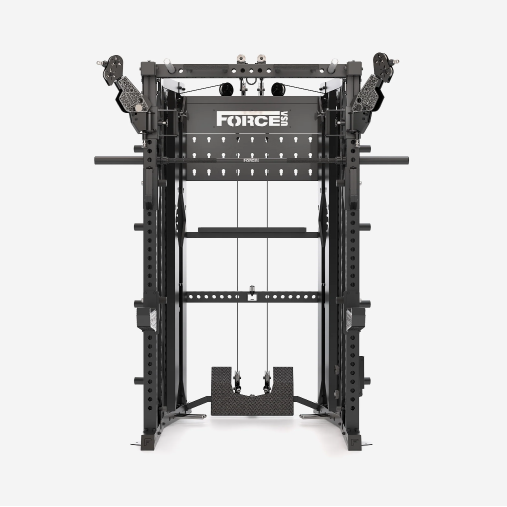
Building a strength training routine does not necessarily require a gym filled with separate machines and exercise stations. Modern multi-functional gym equipment allows users to perform a wide range of movements using a single integrated system. From compound exercises that target major muscle groups to controlled cable movements that support smaller muscles, an all-in-one trainer can provide the equipment needed for a balanced workout. This makes it an appealing option for people who want to develop strength, improve their fitness and maintain a consistent training routine without relying on numerous individual machines.
A successful strength training program depends on more than the equipment available. Exercise selection, training frequency, resistance levels and recovery all influence long-term progress. People planning a versatile home gym can explore the Force USA C20 all-in-one trainer to understand how integrated cable stations, a Smith machine and a power rack can support different strength exercises. By learning how to combine these training options effectively, users can create a structured routine that targets the entire body while making practical use of their available workout space.
Understanding the Benefits of All-in-One Strength Equipment
All-in-one strength machines combine several exercise functions within a single piece of equipment. Depending on the model, these systems may include adjustable cable pulleys, a power rack, a Smith machine, lat pulldown attachments and low-row stations. This combination allows users to perform exercises that would otherwise require several separate machines or training areas.
One of the main advantages is the ability to move between different exercises without making significant changes to the workout environment. For example, a user may perform squats using a barbell before switching to cable rows or chest exercises. Integrated equipment can also make it easier to organise workouts around specific muscle groups or movement patterns. However, users should still consider the machine’s dimensions, weight capacity, attachment compatibility and operating instructions. An all-in-one system offers exercise variety, but effective training depends on selecting appropriate movements and using the equipment correctly.
Building an Effective Upper-Body Training Routine
Upper-body strength training should include exercises that target the chest, back, shoulders and arms. A balanced routine generally combines pushing and pulling movements to develop different muscle groups. For example, chest presses and shoulder presses focus on pushing strength, while rows and pulldowns develop the muscles involved in pulling movements.
An all-in-one trainer can support these exercises through its cable stations, rack attachments and guided barbell system. Cable chest presses and rows allow users to adjust resistance and movement angles, while lat pulldowns provide an option for training the upper back. Biceps curls and triceps pushdowns can be added after larger compound exercises. Beginners may start with two or three sets of approximately eight to twelve repetitions using a manageable resistance. The appropriate workload varies according to experience and fitness level.
Maintaining controlled movements and suitable technique is more important than lifting heavier weights before the necessary strength and coordination have developed.
Training Lower-Body Muscles With Compound Exercises
Lower-body training is an important part of a complete strength routine because it develops the muscles used for walking, lifting, climbing stairs and other everyday activities. Exercises such as squats, lunges and hip hinges target major muscle groups, including the quadriceps, hamstrings and glutes. These movements can also challenge balance, coordination and trunk stability.
A power rack or Smith machine can provide options for performing squats and other lower-body exercises, depending on the user’s experience and the equipment’s specifications. Cable stations may also be used for movements such as pull-throughs, standing hip exercises and certain variations of lunges. The guided movement of a Smith machine differs from free-weight training, so users should choose exercises that suit their body mechanics and goals. Beginners should focus on learning movement patterns before increasing resistance. Appropriate safety equipment, correct setup and professional instruction can help reduce avoidable risks. A balanced lower-body routine should include both knee-dominant and hip-dominant movements rather than relying on one exercise.
Using Cable Exercises for Functional Strength
Cable training offers a different form of resistance compared with traditional free weights. Adjustable pulleys allow users to perform movements from different angles, making cable systems useful for exercises involving pushing, pulling and controlled rotation. This versatility can support a wide range of training goals, from general strength development to improving control during specific movement patterns.
Exercises such as cable rows, standing chest presses, face pulls and Pallof presses can be incorporated into a full-body program. Some cable movements challenge the trunk muscles by requiring users to resist unwanted rotation or maintain a stable position while moving their arms. However, functional strength depends on the relevance of an exercise to the individual’s activities and goals rather than the equipment alone. Cable resistance does not automatically make an exercise more effective than a free-weight alternative. Users should select movements that complement their main strength exercises and avoid unnecessary complexity. Consistent technique and gradual progression remain essential for developing strength safely.
Combining Free Weights and Guided Movements
Free-weight exercises and guided machine movements can serve different purposes within a strength training program. Free weights allow the load to move through a path controlled by the user, requiring coordination and stabilisation throughout the exercise. Guided systems, such as Smith machines, restrict the bar to a predetermined path, which changes the movement demands and may be useful for certain exercises.
An integrated trainer that includes both a power rack and Smith machine allows users to choose between these approaches. For example, an experienced lifter may use the power rack for barbell squats while performing another exercise with the Smith machine. Cable movements can then be added to target muscles through different angles or provide supplementary training volume. Neither guided nor free-weight exercises are universally superior. The most appropriate option depends on technique, mobility, experience and the intended training outcome. Users should follow equipment instructions, understand the safety mechanisms and use suitable spotting arrangements when necessary. Combining exercise methods thoughtfully can provide variety without sacrificing training quality.
Planning Progressive Overload and Recovery
Progressive overload involves gradually increasing the demands placed on muscles as strength and physical capacity improve. This may involve increasing resistance, performing additional repetitions, adding sets or improving movement control. The goal is to provide an appropriate challenge while allowing sufficient recovery between training sessions.
Beginners may benefit from completing two or three full-body strength sessions each week, with recovery time between sessions that train the same major muscle groups. A typical workout might include a squat variation, a pressing exercise, a pulling exercise, a hip-dominant movement and a core exercise. Training volume should be adjusted according to experience, physical condition and available recovery time. Keeping a record of exercises, resistance and repetitions can help users monitor progress. Increasing every training variable simultaneously is generally unnecessary and may contribute to excessive fatigue. Sleep, nutrition and rest also influence recovery. People returning from injury or managing health conditions should seek appropriate professional guidance before beginning or substantially changing their training program.
Choosing Equipment for Long-Term Training Goals
Selecting an all-in-one trainer requires consideration of both current exercise preferences and future training requirements. A beginner may initially need basic resistance exercises, while an experienced user may prioritise heavier lifting capacity, adjustable cable positions and compatibility with additional attachments. Understanding these differences helps prevent purchasing equipment that is unsuitable for the intended training style.
Practical considerations are equally important. Home gym users should measure the available floor area, ceiling height and clearance needed to operate the machine safely. The strength and suitability of the flooring should also be assessed, particularly for heavy equipment and loaded barbell exercises. Users should compare resistance systems, weight capacities, warranties and maintenance requirements before making a decision. Equipment that offers numerous exercise functions may be convenient, but the available features should match movements that will actually be performed. Choosing a system that supports realistic training goals can make it easier to maintain a structured routine and adapt workouts as strength and experience develop.
Conclusion
A complete strength training routine can be built around one versatile machine when the equipment supports a suitable range of pushing, pulling, squatting, hinging and core exercises. All-in-one trainers combine different resistance options within a single system, allowing users to train major muscle groups without relying on numerous separate machines. The key is to select exercises that complement one another and provide an appropriate balance between training intensity and recovery.
Effective strength development requires consistency, suitable technique and gradual progression rather than access to the largest possible collection of equipment. By combining compound movements with targeted cable exercises, monitoring training progress and allowing adequate recovery, users can create a practical full-body program. Choosing equipment that matches available space, experience and long-term fitness goals can help make home strength training more organised, convenient and sustainable.
Other Articles You May Find of Interest...
- The Desk Job Recovery Problem: Can Red Light Fit Into a Smarter After-Work Routine?
- Why Hiring a Treadmill Can Be Better Than Buying One
- How to Build a Complete Strength Training Routine With One Machine
- How Creatine Can Help Improve Performance During High Intensity Workouts
- Simple Ways to Keep Your Mind Engaged During Short Breaks at Home
- Is Your Cutting Board Making You Sick? A Hygiene Guide for Home Cooks
- The Impact of Sudden Weather Changes on Your Body and Overall Well-Being