




Your Health Magazine Contributor
4201 Northview Drive
Suite 102
Bowie, MD 20716
More Addiction Articles
Mint Nicotine Pouches in 2026: Comparing Strengths, Flavors, and Health Risks
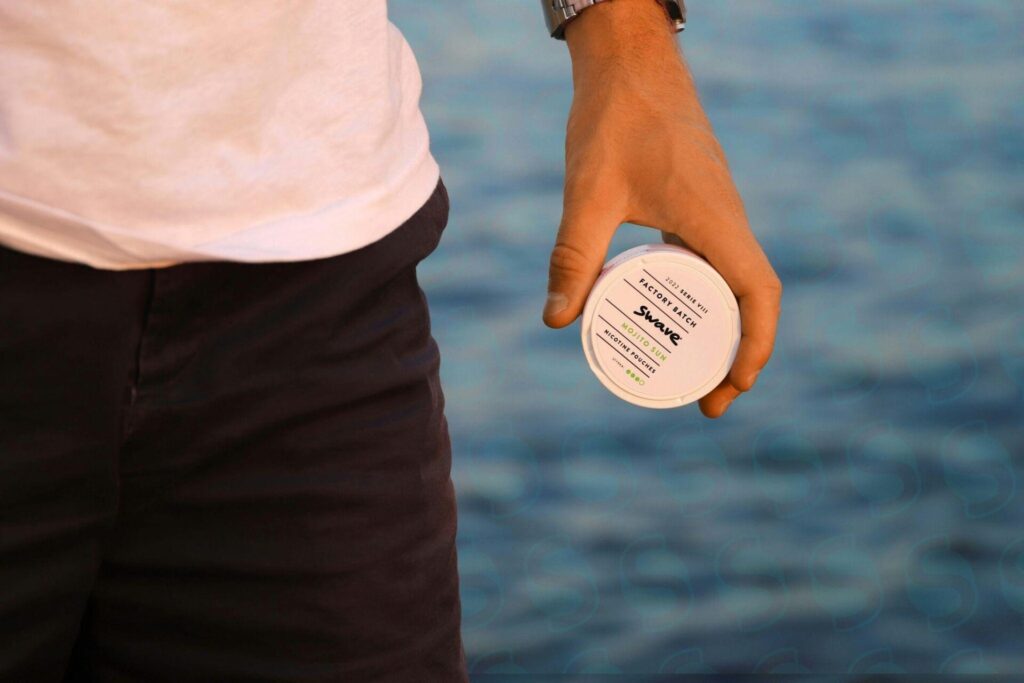
The range of mint nicotine pouches available in 2026 is wider than many consumers realize. Products differ not only in flavor but also in nicotine strength, pouch size, and the number of pouches per container.
Understanding these differences is particularly important because nicotine is an addictive substance, and higher-strength products can deliver substantial amounts of it. While nicotine pouches do not involve burning tobacco, they are not risk-free, and their long-term health effects are still being studied.
For adults who already use nicotine, understanding product labels, nicotine concentrations, and potential health consequences can support more informed decisions. People who do not currently use nicotine should not start.
This guide explains the different mint varieties, compares seven commonly available nicotine pouch products, and examines the health considerations associated with their use.
Key Takeaways
- Mint nicotine pouches come in several varieties, including wintergreen, spearmint, and menthol.
- Nicotine content varies considerably between products, with some containing substantially more nicotine per pouch than others.
- Nicotine is addictive and can increase heart rate and blood pressure.
- Nicotine pouches may irritate the gums and other oral tissues.
- Although nicotine pouches avoid the combustion associated with cigarettes, they are not harmless or approved as smoking-cessation medications.
- Adults who want to stop using nicotine can consider FDA-approved cessation treatments and behavioral support.
What Are the Different Types of Mint Nicotine Pouches?
Mint is a broad flavor category that includes several distinct varieties. Manufacturers use different flavoring ingredients to create cooling sensations and taste profiles.
Three common varieties include:
Wintergreen
Wintergreen has a distinctive mint-like flavor that is often described as bold, slightly sweet, and cooling.
It is commonly used in smokeless tobacco and nicotine pouch products.
Spearmint
Spearmint generally has a milder, sweeter flavor profile than wintergreen or menthol.
Products described as cool mint or mint breeze may use spearmint-inspired flavor combinations, although ingredients differ between manufacturers.
Menthol
Menthol creates a cooling sensation by activating sensory receptors in the mouth.
This sensation can make a nicotine product feel different from an unflavored version, but it does not make the product safer.
Importantly, flavor intensity and nicotine strength are separate characteristics. A mild-tasting pouch may still contain a substantial amount of nicotine.
Understanding Nicotine Pouch Strengths
Nicotine pouches are commonly labeled according to the amount of nicotine they contain, usually expressed in milligrams per pouch.
Available strengths may include 3 mg, 4 mg, 6 mg, 9 mg, 12 mg, or higher, depending on the manufacturer.
However, the number printed on the package does not necessarily indicate how much nicotine enters the bloodstream.
Nicotine absorption depends on several factors, including:
- The amount of nicotine in the pouch
- Product formulation and pH
- How long the pouch remains in the mouth
- Individual patterns of use
- Differences in nicotine absorption between users
Higher-strength products may increase the likelihood of nicotine-related side effects, particularly in people who are not accustomed to substantial nicotine exposure.
Symptoms of excessive nicotine exposure can include nausea, dizziness, headache, sweating, and a rapid heartbeat.
Nicotine poisoning can cause more serious symptoms, including vomiting, confusion, and seizures.
Consumers should not assume that a higher nicotine concentration provides a health benefit or that increasing strength is necessary over time.
Seven Mint Nicotine Pouch Products and Their Features
The following products illustrate differences in mint flavor profiles, advertised nicotine strengths, and packaging.
They are presented for informational comparison rather than as ranked recommendations. Product specifications may change, so current packaging and manufacturer information should be checked.
| Product | Mint Type | Advertised Strengths | Pouches Per Can |
|---|---|---|---|
| ZEO Universe Wintergreen Ice | Wintergreen | 6 mg, 9 mg, 12 mg | 25 |
| ZEO Universe Mint Breeze | Cool mint | 4 mg, 6 mg, 9 mg, 12 mg | 25 |
| ZEO Universe Menthol Evergreen | Menthol | 4 mg, 6 mg, 9 mg, 12 mg | 25 |
| Rogue Wintergreen | Wintergreen | 3–15 mg, depending on product line | 20 |
| ZYN Cool Mint | Cool mint | Varies by product and market | Varies |
| On! Plus Mint | Mint | 6 mg, 9 mg | Check packaging |
| ALP Chilled Mint | Mint | 3–12 mg | 20 |
1. ZEO Universe Wintergreen Ice Nicotine Pouches
Wintergreen Ice is a wintergreen-flavored product from ZEO Universe.
The manufacturer lists the product in 6 mg, 9 mg, and 12 mg strengths, with 25 pouches per container.
Its flavor profile emphasizes a cooling wintergreen sensation. The product uses a slim pouch format intended for oral placement.
The available strengths illustrate why checking nicotine content is important. A 12 mg pouch contains twice the labeled nicotine of a 6 mg pouch, although the amount absorbed may differ.
Flavor and pouch design should not be interpreted as indicators of product safety.
2. ZEO Universe Mint Breeze Nicotine Pouches
ZEO Universe Mint Breeze is described as a cool-mint product with a flavor profile resembling spearmint.
It is listed in four nicotine strengths: 4 mg, 6 mg, 9 mg, and 12 mg.
The manufacturer advertises 25 pouches per can.
These variations demonstrate how products with similar flavor descriptions can differ substantially in nicotine content.
Someone comparing labels should pay attention to the milligrams per pouch rather than relying on terms such as mild, smooth, or refreshing.
3. ZEO Universe Menthol Evergreen Nicotine Pouches
Menthol Evergreen uses a menthol-oriented flavor profile intended to create a pronounced cooling sensation.
The product is listed in 4 mg, 6 mg, 9 mg, and 12 mg strengths.
Menthol is commonly associated with cooling sensations in tobacco and nicotine products. However, that sensory effect does not indicate lower nicotine exposure.
A product that feels less harsh may still contain a high concentration of nicotine.
4. Rogue Wintergreen Nicotine Pouches
Rogue offers wintergreen-flavored nicotine pouches in several strengths.
The standard product line includes 3 mg and 6 mg options, while higher-strength varieties have been marketed under the Rogue Max name.
Some versions contain up to 15 mg of nicotine per pouch.
These higher concentrations deserve particular attention because they may increase nicotine exposure and the potential for adverse effects.
The number of pouches per container also varies between brands, but package quantity does not determine health risk. The nicotine content and pattern of use are more important.
5. ZYN Cool Mint Nicotine Pouches
ZYN is a well-known nicotine pouch brand with several mint-flavored products.
Cool Mint is one of its flavor varieties, although the available strengths and package sizes depend on the market and specific product.
ZYN products have received regulatory attention in the United States, including FDA authorization for certain products.
However, FDA marketing authorization does not mean that nicotine pouches are safe or FDA-approved smoking-cessation medications.
Nicotine remains addictive, and the agency advises people who do not use tobacco or nicotine products not to start.
6. On! Plus Mint Nicotine Pouches
On! Plus Mint is another mint-flavored nicotine pouch product.
The original product information describes 6 mg and 9 mg strengths and a proprietary pouch material designed to affect the product’s texture.
Packaging materials and product design may influence the experience of using a pouch, but they do not establish that one nicotine product is safer than another.
As with other brands, consumers should verify nicotine strength and other product information directly from the packaging.
7. ALP Chilled Mint Nicotine Pouches
ALP Chilled Mint is described as a mint-flavored nicotine pouch product available in several strengths.
The listed range includes 3 mg, 6 mg, 9 mg, and 12 mg, with 20 pouches per container.
These differences illustrate the range of nicotine concentrations available within a single flavor category.
The presence of lower-strength options does not eliminate the risk of dependence, and higher-strength versions can create additional concerns about nicotine exposure.
What Are the Health Risks of Nicotine Pouches?
Nicotine pouches are sometimes discussed as alternatives to cigarettes because they do not involve burning tobacco.
Avoiding combustion can reduce exposure to many harmful chemicals associated with cigarette smoke. However, that distinction should not be confused with an absence of health risks.
Nicotine Dependence
Nicotine stimulates receptors in the brain involved in reward and reinforcement.
Repeated exposure can lead to dependence, making it difficult to stop using nicotine without experiencing withdrawal symptoms.
Common withdrawal symptoms include irritability, anxiety, difficulty concentrating, increased appetite, and strong nicotine cravings.
Products with higher nicotine concentrations may contribute to substantial nicotine exposure and continued dependence.
Cardiovascular Effects
Nicotine activates the sympathetic nervous system and can temporarily increase heart rate and blood pressure.
These effects are particularly relevant for people with cardiovascular conditions or other health concerns that may be affected by nicotine use.
The long-term cardiovascular consequences of nicotine pouch use are still being investigated.
Oral Health Concerns
Nicotine pouches are placed between the gum and lip, bringing the pouch material and its ingredients into prolonged contact with oral tissues.
Some users report irritation, soreness, or changes in the areas where pouches are placed.
Research into the long-term effects of nicotine pouches on gum health and oral tissues remains limited.
Persistent gum irritation, sores, or other changes in the mouth should be evaluated by a dentist or healthcare professional.
Risks During Pregnancy and Adolescence
Nicotine exposure during pregnancy can harm fetal development.
Nicotine can also affect brain development in adolescents and young adults.
For these reasons, nicotine products should not be used during pregnancy or by minors.
Accidental Nicotine Poisoning
Nicotine pouches can be particularly dangerous if swallowed by young children.
Their small size and flavored formulations may make them attractive to children who do not recognize the danger.
All nicotine products should be stored securely and kept out of reach of children and pets.
If nicotine poisoning is suspected in the United States, contact Poison Control at 1-800-222-1222. For severe symptoms, call emergency services.
Are Nicotine Pouches Safer Than Cigarettes?
Cigarette smoking exposes users to thousands of chemicals produced by combustion, including substances known to cause cancer, cardiovascular disease, and respiratory illness.
Nicotine pouches do not produce smoke, so they avoid many combustion-related exposures.
For an adult who smokes cigarettes, completely switching to an appropriately regulated noncombustible nicotine product may reduce exposure to certain harmful substances.
However, the degree of long-term risk reduction associated with nicotine pouches remains an area of ongoing research.
Using nicotine pouches alongside cigarettes does not provide the same potential exposure reduction as completely stopping smoking.
Most importantly, nicotine pouches are not risk-free and should not be recommended to people who do not already use nicotine.
Nicotine Pouches and Smoking Cessation
Some adults who smoke consider nicotine pouches while attempting to move away from cigarettes.
However, nicotine pouches are not FDA-approved smoking-cessation treatments.
People who want to quit smoking or stop using nicotine have access to established treatment options, including:
- Nicotine replacement therapy, such as approved patches, gum, and lozenges
- Prescription medications, including varenicline and bupropion when appropriate
- Behavioral counseling
- Telephone-based and digital smoking-cessation support programs
Combining medication with behavioral support can improve the likelihood of successfully quitting smoking.
A healthcare professional can help identify an appropriate strategy based on nicotine use, medical history, previous quit attempts, and personal preferences.
In the United States, free cessation support is available through 1-800-QUIT-NOW.
Frequently Asked Questions
Are mint nicotine pouches less harmful than other flavors?
There is no established evidence that mint-flavored nicotine pouches are inherently safer than other flavors.
Health risks depend on nicotine exposure, product ingredients, patterns of use, and individual health factors.
A cooling sensation should not be mistaken for a reduction in nicotine-related risks.
What does the milligram strength on a nicotine pouch mean?
The milligram number generally indicates the amount of nicotine contained in each pouch.
It does not necessarily represent the amount absorbed into the bloodstream, which can vary based on formulation and use.
Are stronger nicotine pouches more addictive?
Higher-strength products contain more nicotine and can potentially increase nicotine exposure.
Nicotine is addictive at multiple strengths. Dependence is influenced by the amount used, frequency of use, and individual factors.
Can nicotine pouches damage your gums?
Nicotine pouches may cause irritation or discomfort where they contact the gums.
Long-term research is still developing. Anyone experiencing persistent irritation, sores, or gum changes should seek dental advice.
Can nicotine pouches help someone quit smoking?
Nicotine pouches are not approved by the FDA as smoking-cessation medications.
Adults who want to quit smoking can discuss evidence-based treatments, including approved nicotine replacement products and prescription medications, with a healthcare professional.
Final Thoughts
Mint nicotine pouches differ in flavor, nicotine concentration, formulation, and packaging. Wintergreen, spearmint, and menthol varieties may create different sensory experiences, but these differences do not determine whether a product is safe.
For adults who already use nicotine, understanding product strengths and potential risks is more important than selecting products based on flavor or marketing claims.
Nicotine remains addictive, and the long-term health effects of nicotine pouches require further study.
People who do not currently use nicotine should avoid starting. Those who want to quit smoking or reduce nicotine dependence should consider discussing evidence-based cessation options with a healthcare professional.
Other Articles You May Find of Interest...
- What the First Weeks of Outpatient Rehab Actually Feel Like
- Mint Nicotine Pouches in 2026: Comparing Strengths, Flavors, and Health Risks
- Recovery Without Pressing Pause: How High Achievers Are Rethinking Addiction Treatment
- Why Recovery Can Feel Hard Even When Life Is Getting Better
- Alcohol Withdrawal Symptoms: Why Quitting Suddenly Can Be Dangerous and When to Seek Medical Help
- Signs It May Be Time to Step Up or Step Down Your Level of Care
- Detox When You Have Diabetes or High Blood Pressure: Why It Changes the Plan





