




Your Health Magazine Contributor
4201 Northview Drive
Suite 102
Bowie, MD 20716
More Beauty Skin Care & Gorgeous Smiles Articles
The Art and Science of Handmade Soap: Techniques, Ingredients, and Key Differences
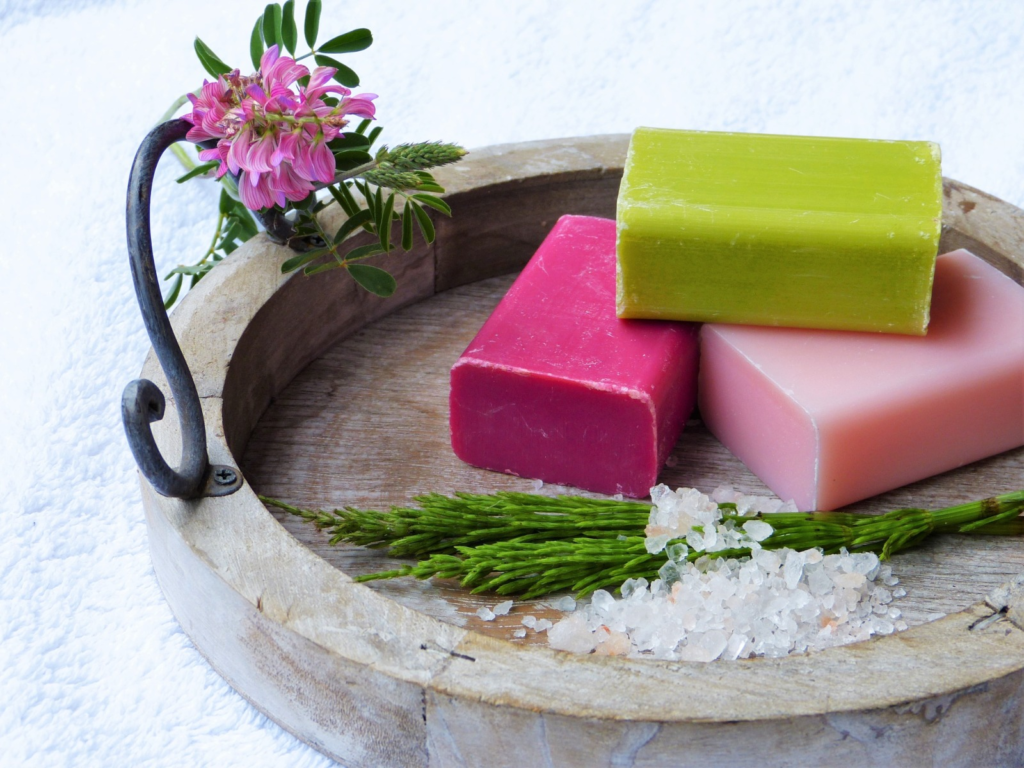
Handmade soap is soap produced in small batches by a maker who controls the recipe, the process, and the finishing, as opposed to a factory line built for volume. It blends craft, such as design and scent, with chemistry, because every bar depends on the saponification reaction. This article looks at where traditional techniques come from, how ingredients are chosen, and how handmade bars differ from mass-produced ones.
Where Does Traditional Soap Making Come From?
Soap making is an old craft, and regional styles still carry the names of the places and ingredients that shaped them. Castile soap is traditionally made with olive oil and takes its name from Spain’s Castile region. Marseille soap is associated with southern France and vegetable oils, and Aleppo soap is known for combining olive oil with laurel berry oil. These traditions show how local ingredients guided recipes long before modern laboratories existed.
How Does Soap Making Actually Work?
Soap forms when fats or oils react with an alkali, usually sodium hydroxide for bars. This reaction, called saponification, produces soap and glycerin. Makers calculate precisely how much lye each oil requires, because too much leaves a harsh bar and too little leaves a greasy one.
The Role of Superfatting
Most recipes use slightly less lye than the oils could fully consume. The small amount of leftover oil adds a conditioning feel and builds in a safety margin.
Why Curing Matters
After molding, bars rest for several weeks so excess water evaporates. The result is a harder, longer-lasting bar with a milder feel. Soap is naturally alkaline, typically around pH 9 to 10, while the skin’s surface is mildly acidic. That is true of all real soap, handmade or commercial, and it is why some people follow washing with a moisturizer.
What Techniques Do Soap Makers Use?
• Cold process: lye solution and oils are blended and poured while liquid, then cured. It offers the most design freedom.
• Hot process: the batter is cooked to speed saponification, giving a rustic texture.
• Rebatching: shredded soap is melted with additives and re-molded, often to rescue or customize a batch.
• Decorative methods: swirls, layers, and embedded shapes turn a functional bar into a small piece of design.
How Do Makers Choose Ingredients?
Ingredient selection is a balancing act. Each oil influences the finished bar in different ways, and makers combine them to reach the qualities they want:
• Hardness: coconut oil, palm oil, and cocoa butter help bars stay firm.
• Lather: coconut and castor oil boost bubbles, while olive oil produces a creamy lather.
• Conditioning feel: olive oil, shea butter, and sweet almond oil are popular for a softer feel.
• Stability: oils high in unsaturated fats, such as sunflower, can go rancid sooner, so makers use them sparingly.
Cost, availability, sourcing preferences, and the climate where the bar will be used also shape the final recipe.
How Does Handmade Soap Differ From Mass-Produced Soap?
Neither approach is automatically better, but they differ in several ways:
• Scale: handmade bars come from small batches, while factories produce enormous volumes with uniform results.
• Formulation: many commercial bars are detergent-based, using synthetic surfactants, while handmade bars are generally true soap made from oils and lye.
• Glycerin: small-batch makers typically leave the natural glycerin in the bar, while some industrial processes extract it for other uses.
• Consistency: factory bars look identical, while handmade bars often vary slightly in color and shape.
• Cost: small batches, premium ingredients, and weeks of curing generally mean a higher price per bar.
How Should You Choose and Care for Handmade Soap?
If you are new to the category, buy a small bar before committing to a larger stock. Specialist retailers and independent makers offer handmade soap in a wide range of recipes and scent profiles, so you can compare ingredient lists and see what suits you. Once you bring a bar home, keep it on a draining dish out of standing water and away from direct sunlight so it lasts longer.
Final Thoughts
Handmade soap sits where tradition, chemistry, and creativity meet. A good maker understands the science well enough to make consistent, safe bars and has the artistry to make them enjoyable to use. Whether you want to buy a bar or try making one yourself, understanding saponification, curing, and ingredient choice will help you appreciate what goes into every piece and make smarter choices at the shelf or the workbench.
Frequently Asked Questions
Is handmade soap the same as natural soap?
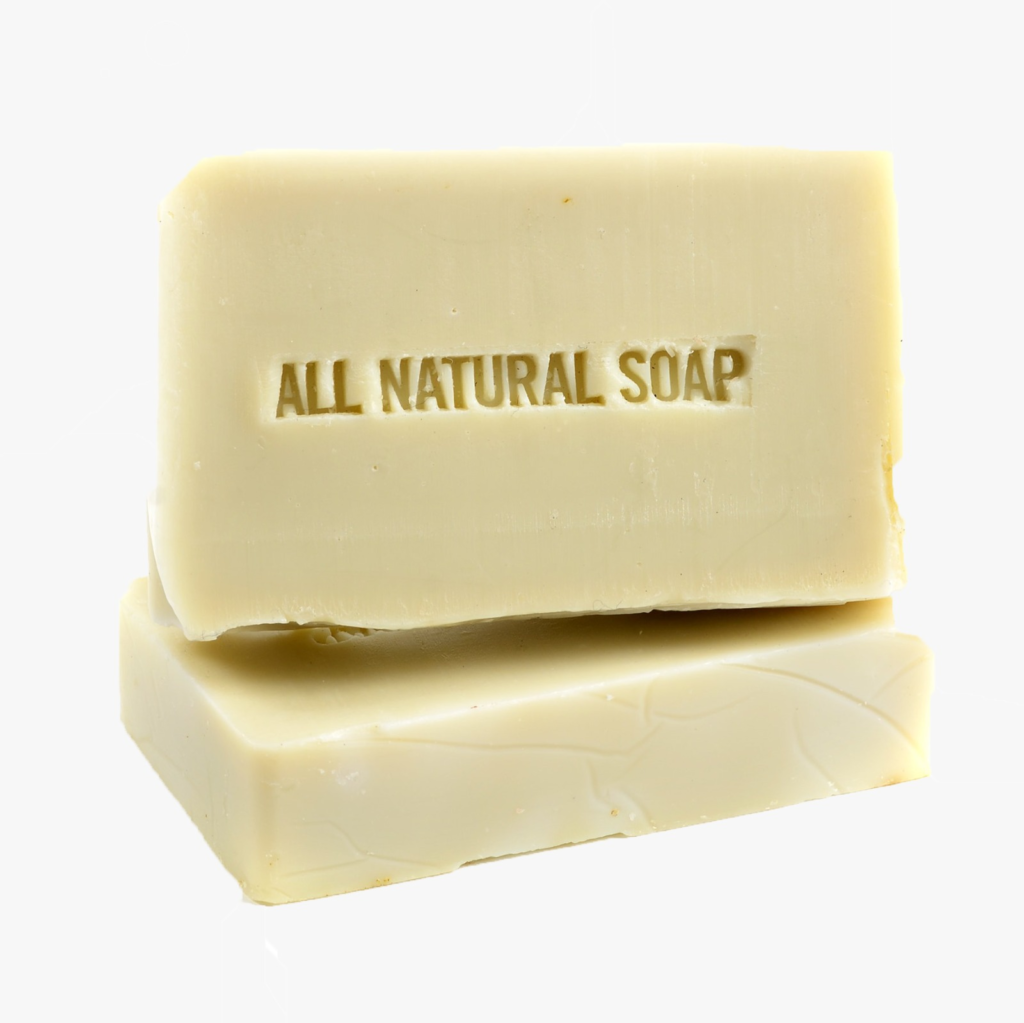
No. Handmade describes how a bar is produced, usually in small batches by a maker, while natural describes what goes into it. A handmade bar can contain synthetic fragrance or colorants, and a factory bar can use plant-derived oils. Read the ingredient list instead of relying on either word.
Why is handmade soap more expensive?
Several factors contribute: small production runs, quality oils and butters, hands-on labor, and weeks of curing time before a bar can be sold. Packaging and testing also add cost. A higher price does not guarantee a better bar, so compare ingredient lists and maker transparency.
Is handmade soap safe if it is made with lye?
Yes, when the recipe is calculated correctly and the soap is properly cured. Lye is used up during saponification, so the finished bar does not contain free lye. Reputable makers use lye calculators and test their batches. Stop using any bar that causes burning or irritation.
Can I use handmade soap on my face?
Some people do, but facial skin tends to be more reactive. Choose a mild, lightly scented or unscented bar with a short ingredient list and patch test first. If your face feels tight or irritated afterward, switch to a product made for facial cleansing.
Why do handmade soaps vary in color and shape?
Small-batch production involves natural ingredients, hand pouring, and hand cutting. Oils, botanicals, and clays can shift color from batch to batch, and cutting by hand changes dimensions slightly. Many buyers see this variation as a sign of craft rather than a defect.
What is the difference between soap and detergent bars?
True soap is made by reacting fats or oils with an alkali. Detergent bars, sometimes called syndet bars, use synthetic surfactants instead. They are often formulated to stay firm and perform in hard water. Both clean effectively, and the better option depends on your skin and preferences.
Other Articles You May Find of Interest...
- Postpartum Stretch Mark Creams: Ingredients, Options, and What Really Works
- The Art and Science of Handmade Soap: Techniques, Ingredients, and Key Differences
- Seeing Beneath the Surface
- Bump on the Leg With Redness Around It: Possible Causes
- Small Itchy Bumps on the Skin: Possible Causes
- Palmar Erythema: Causes of Red Palms
- Breast Lift Scars: Incision Types, Healing Timeline and What Affects the Final Result





