More Women's Health & Beauty Articles
How Can You Postpone Your Period?
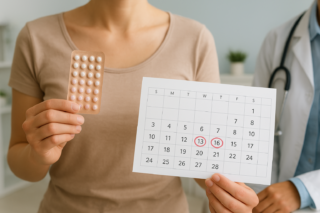
By Your Health Magazine Health Information Team
You can postpone your period with certain hormonal medications, most commonly by using combined hormonal birth control continuously instead of taking its scheduled hormone-free break. A clinician may also prescribe a short course of a progestin for some people. The safest approach depends on your current birth control, medical history, pregnancy risk, and how soon your period is expected.
What Are the Main Ways to Delay a Period?
The best method depends on whether you already use hormonal contraception and whether you want to postpone one period or reduce bleeding over the long term.
| Option | When It May Help | Important Limitations |
|---|---|---|
| Combined birth control pill | Can provide relatively predictable control when active pills are used continuously under medical guidance | Spotting can occur, and estrogen is unsafe for some people |
| Combined vaginal ring or patch | May be used on an extended or continuous schedule when prescribed that way | Requires product-specific instructions and medical screening |
| Prescription progestin medication | May postpone an upcoming period in someone who is not already using combined hormonal birth control | Must be prescribed and started at the correct time; it may not prevent pregnancy |
| Hormonal IUD, implant, or injection | May make periods lighter or stop them over time | Not a reliable last-minute solution because early bleeding can be unpredictable |
According to guidance on skipping periods with hormonal birth control, continuous use of eligible pills or vaginal rings can be safe for people who can medically use those methods. However, the correct schedule varies by product, so do not change how you use a prescription without checking with your prescriber or pharmacist.
If You Already Take Birth Control Pills
Many combined pills contain active hormone tablets followed by inactive or placebo tablets. The bleeding during the inactive interval is withdrawal bleeding rather than a medically necessary menstrual period. A healthcare professional may recommend moving directly to the next set of active tablets instead of taking the hormone-free interval.
Do not assume that every pill pack can be handled the same way. Some contain different hormone amounts at different points in the pack, and progestin-only pills have their own schedules. Missing or rearranging tablets can reduce pregnancy protection. Follow the instructions for your exact prescription and ask how continuous use will affect refill timing.
Progestin-only pills do not always offer predictable period control. If you use drospirenone-only contraception, this overview of what to expect when you stop taking Slynd explains why bleeding patterns can change after discontinuation. Do not stop or alter a progestin-only pill solely to delay bleeding without professional guidance.
Can a Doctor Prescribe Something for One Upcoming Period?
Yes. In some situations, a clinician may prescribe a progestin medication shortly before the expected period. Timing matters, and the medicine may not work as intended if bleeding has already begun. The medication is not appropriate for everyone and should not automatically be considered birth control.
Contact an obstetrician-gynecologist, primary care clinician, or reproductive health provider as early as possible before travel, a competition, a wedding, or another event. They may need to review:
- The first day of your last period and the regularity of your cycles
- Whether pregnancy is possible
- Your current medications and supplements
- History of blood clots, stroke, migraine with aura, liver disease, breast cancer, or high blood pressure
- Your smoking status and age
- Whether you also need reliable contraception
There is no dependable over-the-counter pill, food, tea, supplement, or exercise technique that can safely guarantee postponement. Emergency contraception should not be used for this purpose. Once bleeding begins, medications may sometimes reduce pain or flow, but they do not reliably “switch off” a period immediately.
Is It Safe to Skip a Period?
For many medically eligible people, using hormonal contraception to have fewer periods is considered safe. The uterine lining does not keep accumulating when appropriate hormonal methods are used continuously; these methods generally keep the lining thin. It is not necessary to have monthly withdrawal bleeding for the body to “clean itself.”
Still, hormonal methods carry risks and side effects. Estrogen-containing pills, patches, and rings may not be appropriate for people with migraine with aura, certain blood-clotting conditions, severe or uncontrolled high blood pressure, or some other medical conditions. Smoking at age 35 or older can also make combined hormonal contraception riskier. The CDC’s medical eligibility guidance for contraceptive use describes the health factors clinicians consider when choosing a method.
Hormonal contraception also does not protect against sexually transmitted infections. Condoms or other barrier protection may still be needed.
What Should You Expect After Postponing It?
Breakthrough bleeding or spotting is common, particularly when a hormonal method is started or used continuously. This does not necessarily mean the method has failed, but missed doses, vomiting, diarrhea, or interacting medications can affect contraceptive protection.
You may experience your usual hormonal side effects, such as breast tenderness, nausea, headaches, mood changes, or bloating. Complete suppression is not guaranteed, and bleeding may become less predictable before it improves.
If your periods were irregular before treatment, predicting when to begin a postponement method can be difficult. Irregular or absent periods can result from pregnancy, stress, major weight changes, thyroid problems, perimenopause, or conditions such as polycystic ovary syndrome. Delaying bleeding should not replace evaluation of a persistent or unexplained cycle change.
When to Seek Care
Take a pregnancy test if pregnancy is possible, especially if your period is late before you begin any medication. Arrange an appointment with an obstetrician-gynecologist or primary care clinician if your periods suddenly become irregular, you go three months without a period when you are not pregnant or breastfeeding, or spotting continues and is bothersome.
Seek urgent medical care for severe pelvic or abdominal pain, fainting, chest pain, shortness of breath, one-sided leg pain or swelling, or a sudden severe headache with vision or neurologic changes. Emergency evaluation is also appropriate if you are soaking through a pad or tampon every hour for more than two hours and feel dizzy, weak, short of breath, or have chest pain. These warning signs are discussed in guidance on abnormal uterine bleeding.
Period postponement is usually most successful when planned before bleeding is due. A healthcare professional can help select an option that fits both your timing and your health history without compromising pregnancy protection.
Other Articles You May Find of Interest...
- Arcuate Uterus: What It Means for Fertility and Pregnancy
- How Can You Postpone Your Period?
- Can You Get Pregnant Right Before Your Period?
- Lower Left Abdominal Pain in Women: Possible Causes
- How to Treat Sweat Rash Under Breasts
- Why Do I Have Cramps but No Period?
- How Late Can Your Period Be If You Are Not Pregnant?