Your Health Magazine Contributor
4201 Northview Drive
Suite 102
Bowie, MD 20716
More Orthodontics Articles
What to Look for When Choosing an Orthodontist
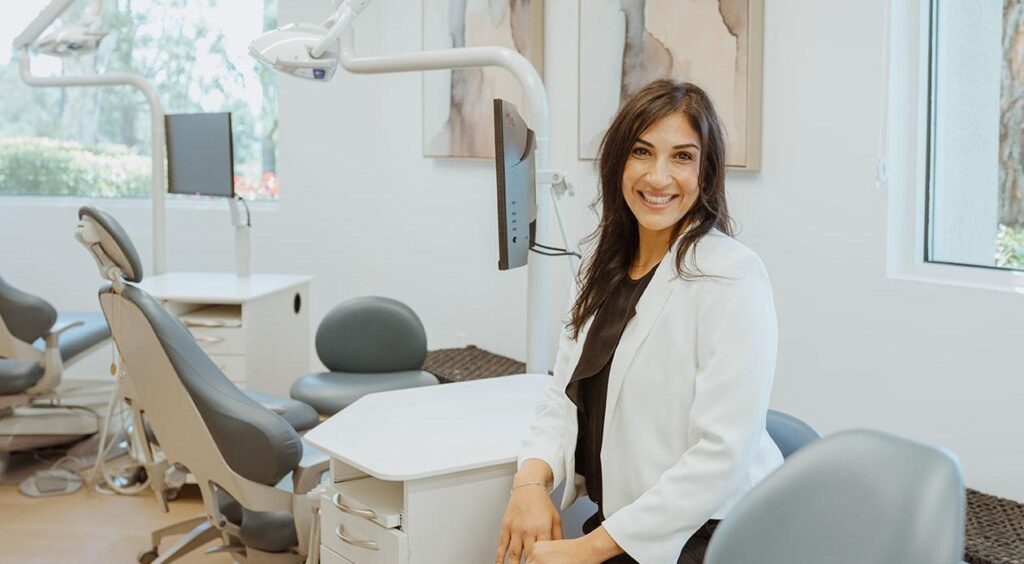
Choosing an orthodontist involves more than comparing locations or deciding between braces and clear aligners. Orthodontic treatment can affect the teeth, bite, jaw relationships, and facial development, so patients should understand the training, credentials, treatment options, and experience behind the care they are considering.
Start With Specialty Training
Orthodontists first complete dental school and then additional specialty training focused specifically on orthodontics and dentofacial development.
That specialty education covers subjects such as tooth movement, bite correction, facial growth, treatment timing, and the use of braces, aligners, expanders, and other orthodontic appliances.
Some orthodontists also pursue additional graduate education in areas such as craniofacial biology, which examines how the bones, muscles, and tissues of the face and skull grow and develop. This can be particularly relevant when planning treatment for growing children or patients with more complex bite relationships.
Understand What Board Certification Means
Board certification is another credential patients may encounter when researching orthodontists.
In the United States, certification through the American Board of Orthodontics is voluntary and requires additional examination and case evaluation beyond orthodontic specialty training.
Board certification is not the only factor that determines the quality of care, but it can be one useful piece of information when comparing providers.
Ask About Experience With Your Treatment Option
Orthodontic treatment is not one-size-fits-all. Some patients may benefit from traditional braces, while others may be candidates for clear aligners or other approaches.
Clear aligner treatment, for example, still requires detailed orthodontic planning. The orthodontist must determine which tooth movements are predictable, whether attachments or elastics are needed, how the bite should change, and how treatment should be adjusted if teeth do not move exactly as expected.
Patients considering Invisalign or another aligner system can ask how frequently the orthodontist treats similar cases and whether other treatment methods might provide a better result for their particular bite.
Experience with additional techniques, such as lingual braces placed behind the teeth, may also be relevant for patients looking for less visible treatment.
Look Beyond the Appliance
Patients sometimes focus heavily on whether an office offers braces or clear aligners, but the appliance is only one part of orthodontic care.
A good consultation should include an evaluation of the teeth and bite, a discussion of treatment goals, an explanation of available options, and realistic expectations about treatment time and results.
Patients should feel comfortable asking:
- What orthodontic problem is being treated?
- What treatment options are available?
- Why is one approach being recommended over another?
- How long is treatment expected to take?
- What happens if teeth do not move as planned?
- What type of retention will be needed after treatment?
- What are the total expected costs?
Clear answers can help patients understand not only what treatment is being recommended, but why.
Consider Long-Term Care
Orthodontic treatment does not end when braces come off or the final aligner is completed. Teeth can shift over time, making retainers and follow-up care an important part of maintaining results.
Before beginning treatment, patients should understand what type of retainer will be used, how long it should be worn, what happens if it is lost or damaged, and how post-treatment concerns are handled.
Making an Informed Choice
Credentials, specialty training, experience, communication, and treatment philosophy can all help patients compare orthodontic providers.
For families searching for an Encino Orthodontist, these factors can provide a useful framework for evaluating practices and deciding which provider and treatment approach best fit their needs.