




Your Health Magazine Contributor
4201 Northview Drive
Suite 102
Bowie, MD 20716
More Supplements Articles
Beyond the Hype: A Science-Based Look at Cat’s Claw Tablet Benefits
In the world of herbal supplements, few plants have generated as much interest as cat’s claw. This Amazonian vine, scientifically known as cat’s claw uncaria tomentosa, has been used for centuries by indigenous peoples of South America for its remarkable healing properties. Today, researchers are continuing to study cat’s claw, but high-quality human evidence remains limited and its health benefits have not been conclusively established.
If you’ve been curious about cat’s claw tablets, this guide reviews what research has found so far, where evidence remains preliminary, and what safety considerations to know.
What Is Cat’s Claw?
Cat’s claw, or Uncaria tomentosa, is a woody vine native to the Amazon rainforest and other tropical areas of South and Central America. The plant gets its distinctive name from the small, curved thorns that resemble a cat’s claws, which help it climb to heights of up to 100 feet in the rainforest canopy.
Indigenous tribes, including the Asháninka people of Peru, have used cat’s claw bark and root for generations to treat inflammation, digestive issues, arthritis, and various infections. The plant contains over 30 known constituents, including alkaloids, glycosides, tannins, and flavonoids, which contribute to its therapeutic properties.
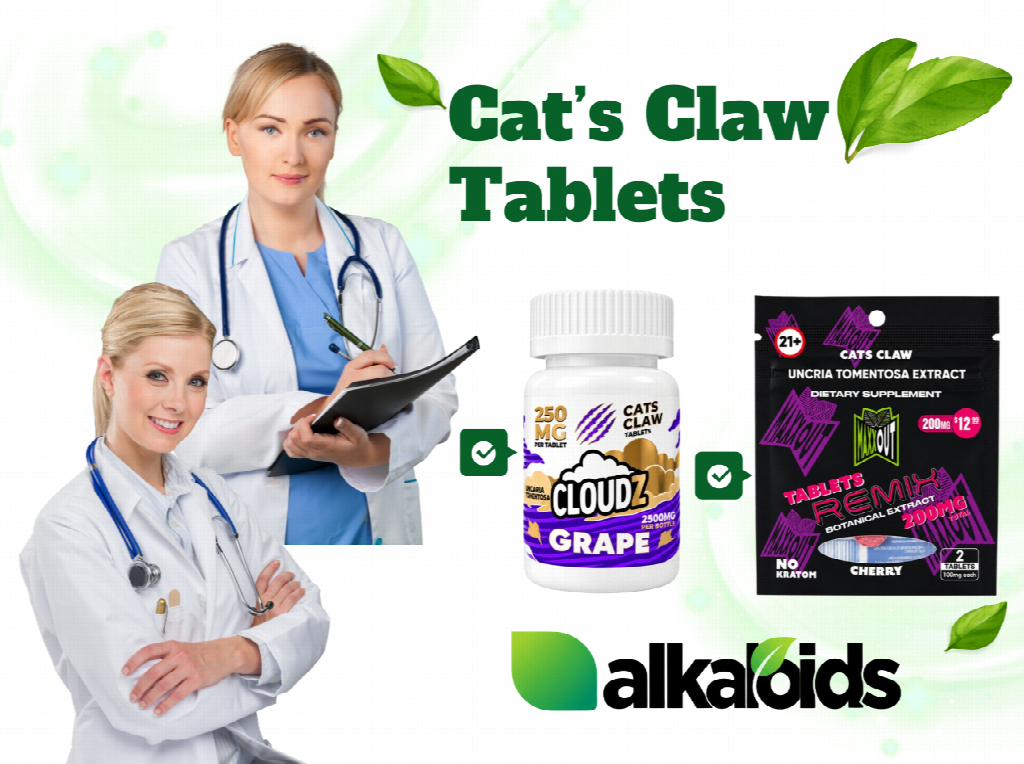
Today, cat’s claw extract is available in various forms, with tablets being one of the most convenient and popular options for daily supplementation.
The Active Compounds Behind Cat’s Claw Benefits
Understanding the science behind cat’s claw benefits requires looking at its complex phytochemical profile. The most studied active compounds include:
Oxindole Alkaloids: These are considered the primary bioactive compounds in cat’s claw uncaria tomentosa. Research has identified six major alkaloids, including pteropodine, isopteropodine, mitraphylline, and isomitraphylline, which demonstrate immune-modulating properties.
Quinovic Acid Glycosides: These compounds have shown anti-inflammatory and antiviral properties in laboratory studies.
Polyphenols and Proanthocyanidins: These antioxidant compounds help protect cells from oxidative stress and free radical damage.
Triterpenes: Including ursolic acid, which has been studied for its anti-inflammatory and antimicrobial effects.
The synergistic interaction of these compounds is what makes cat’s claw supplement formulations potentially beneficial for various health concerns.
What Research Says About Cat’s Claw
1. Immune System Support
One of the most well-researched cat’s claw benefits is its ability to modulate immune function. A study published in the journal Phytomedicine found that cat’s claw extract increased the number of white blood cells, particularly lymphocytes, which play a crucial role in fighting infections.
The oxindole alkaloids in cat’s claw uncaria tomentosa appear to enhance the immune system’s ability to identify and destroy pathogens while also preventing excessive inflammatory responses. This dual action makes it particularly interesting for immune support without overstimulation.
Research conducted at the University of Milan demonstrated that cat’s claw could increase immune cell proliferation by up to 50% in laboratory settings. Human studies remain limited, and there is not enough evidence to conclude that cat’s claw prevents or shortens common colds or other respiratory infections.
2. Anti-Inflammatory Properties
Chronic inflammation is at the root of many modern health conditions, from arthritis to cardiovascular disease. Cat’s claw benefits include significant anti-inflammatory effects that have been documented in multiple studies.
A clinical trial published in Inflammation Research examined the effects of a cat’s claw supplement on patients with rheumatoid arthritis. Participants who took cat’s claw extract experienced a reduction in the number of painful joints compared to the placebo group, with minimal side effects.
The anti-inflammatory mechanisms appear to work through multiple pathways, including inhibition of tumor necrosis factor-alpha (TNF-α) and nuclear factor-kappa B (NF-κB), both key players in inflammatory processes. These findings have prompted further research into cat’s claw’s anti-inflammatory activity, but they do not establish it as an alternative to conventional anti-inflammatory treatment.
3. Antioxidant Protection
Oxidative stress contributes to aging and numerous chronic diseases. The polyphenolic compounds in cat’s claw uncaria tomentosa provide robust antioxidant protection, helping neutralize harmful free radicals throughout the body.
Studies have shown that cat’s claw extract demonstrates antioxidant activity comparable to or exceeding that of vitamin C in certain assays. This antioxidant capacity may help protect DNA from damage, support cardiovascular health, and promote healthy aging at the cellular level.
4. Digestive Health Support
Traditional use of cat’s claw for digestive complaints has some scientific backing. Research suggests that cat’s claw benefits extend to the gastrointestinal system, where it may help reduce inflammation in the gut lining and support overall digestive function.
A small pilot study investigated the effects of a cat’s claw supplement on patients with inflammatory bowel disease. Results indicated improvements in symptoms and quality of life, though larger studies are needed to confirm these findings.
The anti-inflammatory and antimicrobial properties of cat’s claw extract may help maintain a healthy balance of gut bacteria while soothing irritated intestinal tissues.
5. Joint Health and Arthritis Relief
Perhaps one of the most promising applications of cat’s claw uncaria tomentosa is for joint health. Multiple studies have examined its effects on osteoarthritis, the most common form of arthritis affecting millions worldwide.
A randomized, double-blind study published in Inflammation Research found that participants taking a cat’s claw supplement experienced significant reduction in knee pain associated with physical activity within just one week of treatment. The benefits continued throughout the four-week study period.
Another study focusing on rheumatoid arthritis showed that cat’s claw extract could reduce joint pain and swelling when used alongside conventional medications, suggesting it may work synergistically with standard treatments.
6. Potential Antiviral Properties
Emerging research suggests that cat’s claw benefits may include antiviral activity. Laboratory studies have demonstrated that compounds in cat’s claw uncaria tomentosa can inhibit viral replication for several types of viruses, including herpes simplex virus and certain strains of influenza.
While human clinical trials are limited, the immune-enhancing and antiviral properties make cat’s claw supplement formulations an area of ongoing research interest, particularly in the context of supporting the body’s natural defenses against viral infections.
7. Cognitive Function and Neuroprotection
Some preliminary research indicates that cat’s claw extract may offer neuroprotective benefits. The antioxidant and anti-inflammatory properties could potentially help protect brain cells from damage associated with aging and neurodegenerative conditions.
A study published in the Journal of Alzheimer’s Disease found that certain compounds in cat’s claw could help prevent the formation of brain plaques associated with Alzheimer’s disease in laboratory models. While this research is still in early stages, it highlights another potential avenue for cat’s claw benefits.
Choosing a Quality Cat’s Claw Supplement
Not all cat’s claw supplement products are created equal. When selecting tablets or capsules, consider these important factors:
Standardization: Look for products standardized to contain specific percentages of active compounds, particularly oxindole alkaloids (typically 3-5%). This ensures consistent potency from batch to batch.
Species Verification: Ensure the product specifically contains cat’s claw uncaria tomentosa rather than Uncaria guianensis, which has a different alkaloid profile and potentially different effects.
Extraction Method: High-quality cat’s claw extract should use proper extraction methods that preserve the beneficial compounds. Water and alcohol extraction are common methods that maintain the plant’s therapeutic properties.
Third-Party Testing: Choose supplements that have been tested by independent laboratories for purity, potency, and absence of contaminants like heavy metals or pesticides.
Bark vs. Root: Traditional use typically involves the inner bark rather than the root, as harvesting the root kills the plant. Sustainable products use bark from mature vines.
Dosage: Research has used different cat’s claw preparations and amounts, so study findings should not be treated as personal dosing guidance. Anyone considering a cat’s claw supplement should discuss appropriate use with a qualified healthcare professional.
Using Cat’s Claw Supplements Safely
For optimal absorption and effectiveness of your cat’s claw supplement, consider these guidelines:
- Follow the product label and do not exceed recommended amounts.
- Discuss cat’s claw with a healthcare professional if you take medications or have a health condition.
- Stop using the product and seek medical advice if you experience concerning side effects.
- Remember that supplement quality and formulation can vary between products.
Safety Considerations and Potential Side Effects
Cat’s claw appears to be tolerated by many adults when used orally for short periods, but safety information remains limited,
Possible Side Effects: Most people tolerate cat’s claw extract well, but some may experience mild digestive upset, dizziness, or nausea, particularly at higher doses.
Contraindications: Avoid cat’s claw if you:
- Are pregnant or breastfeeding (insufficient safety data)
- Have autoimmune conditions (due to immune-stimulating effects)
- Are scheduled for surgery (may affect blood pressure and bleeding)
- Have low blood pressure (cat’s claw may lower blood pressure further)
Drug Interactions: Cat’s claw supplement products may interact with:
- Immunosuppressant medications
- Blood pressure medications
- Blood thinners
- Medications metabolized by certain liver enzymes
Always consult with a healthcare provider before adding cat’s claw extract to your regimen, especially if you take prescription medications or have underlying health conditions.
The Bottom Line on Cat’s Claw Benefits
Research into cat’s claw continues, but current human evidence is still too limited to validate many of its traditional uses. From immune support and anti-inflammatory effects to joint health and antioxidant protection, cat’s claw uncaria tomentosa offers a range of potential therapeutic applications.
While more large-scale human studies are needed to fully understand all the mechanisms and optimal uses, current research provides a solid foundation for considering a cat’s claw supplement as part of a comprehensive wellness strategy.
The key is choosing a high-quality cat’s claw extract from a reputable manufacturer, using it consistently, and maintaining realistic expectations. Like most herbal supplements, cat’s claw works best as part of a holistic approach to health that includes proper nutrition, regular exercise, adequate sleep, and stress management.
Anyone considering cat’s claw for joint discomfort, immune support, or other health goals should understand that evidence remains limited and discuss supplement use with a healthcare professional.
As research continues to unveil the full potential of cat’s claw uncaria tomentosa, this traditional medicine is earning its place in evidence-based natural health protocols. By understanding both the science and the traditional wisdom behind cat’s claw benefits, you can make informed decisions about whether this powerful botanical supplement is right for your health goals.
Other Articles You May Find of Interest...
- 5 Gut Health Supplement Brands to Compare for Bloating and Regularity
- Beyond the Hype: A Science-Based Look at Cat’s Claw Tablet Benefits
- 5 Myths About Herbal Supplements That Could Actually Hurt You
- Top Whole Food Nutrition Products in the USA: A Practical Guide
- Shilajit Authenticity and Testing: What Fulvic Acid and LC-MS/MS Results Can—and Cannot—Show
- 7 Potential Benefits of Selenium Supplements in Pakistan
- Sea Moss Benefits: What the Evidence Shows





