More Cancer Awareness Articles
What Is Chemotherapy and How Does It Work?
By Your Health Magazine Health Information Team
Chemotherapy, often called chemo, is cancer treatment that uses medicines to destroy cancer cells or stop them from growing and dividing. It is not one specific drug: many chemotherapy medicines and combinations are available. The treatment chosen depends on the cancer type, its stage, the goals of care, previous treatments, and the person’s overall health.
How Does Chemotherapy Work?
Cancer cells typically grow and divide without normal control. Chemotherapy interferes with this process in different ways. Depending on the medicine, it may damage the material a cell needs to reproduce, prevent cell division, or disrupt another essential part of the cell’s life cycle.
Many chemotherapy medicines travel through the bloodstream, allowing them to reach cancer cells in multiple areas of the body. This is called systemic treatment. It can be especially useful for blood cancers or cancers that have spread beyond their original location. Some chemotherapy is delivered directly to a specific body cavity, artery, organ, or area instead.
The National Cancer Institute’s chemotherapy overview explains that chemo may be used to cure certain cancers, reduce the chance of recurrence, slow cancer growth, or shrink tumors that are causing symptoms.
Why Is Chemotherapy Given?
The purpose of chemotherapy varies from one treatment plan to another. Common goals include:
- Primary treatment: Chemotherapy may be the main treatment, particularly for certain leukemias, lymphomas, and other cancers that are sensitive to these medicines.
- Neoadjuvant treatment: Chemo may be given before surgery or radiation to shrink a tumor and make it easier to treat.
- Adjuvant treatment: It may be given after surgery or radiation to destroy cancer cells that could remain but are too small to detect.
- Treatment for recurrent or metastatic cancer: Chemotherapy may control cancer that has returned or spread to other parts of the body.
- Symptom relief: Shrinking a tumor may reduce pain, pressure, breathing problems, or other symptoms, even when eliminating the cancer is not possible.
Palliative care can be provided alongside cancer treatment to manage symptoms and support quality of life. When care becomes focused primarily on comfort near the end of life, hospice may also be considered. The role of these services is discussed further in this article about end-of-life care during the final stages of myelofibrosis.
How Is Chemotherapy Different From Other Cancer Treatments?
People sometimes use “chemo” as a general term for all cancer medicines, but chemotherapy is only one category of treatment. The best plan may include several approaches.
| Treatment | Basic approach |
|---|---|
| Chemotherapy | Uses medicines that generally attack rapidly growing or dividing cells. |
| Targeted therapy | Acts on specific proteins, genes, or other features that help particular cancer cells survive or grow. |
| Immunotherapy | Helps the immune system recognize or respond more effectively to cancer. |
| Radiation therapy | Uses high-energy radiation to treat cancer in a defined area of the body. |
| Surgery | Physically removes a tumor or cancerous tissue when an operation is appropriate. |
The National Cancer Institute provides additional information about these and other types of cancer treatment. Treatment terminology can overlap, so patients should ask which medicines in their plan are traditional chemotherapy, targeted therapy, immunotherapy, or another drug type.
How Is Chemotherapy Given?
Chemotherapy can be administered in several ways:
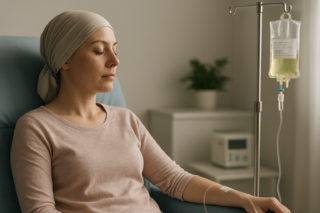
- Through a vein by intravenous infusion
- By mouth as a tablet, capsule, or liquid
- By injection into a muscle or under the skin
- Through a catheter, implanted port, or infusion pump
- Into the fluid surrounding the brain and spinal cord
- Directly into an artery or body cavity
- As a topical medicine applied to the skin
Oral chemotherapy is still a powerful cancer treatment. It must be taken, stored, and handled exactly as directed. Patients should not crush, split, skip, repeat, or change a dose unless their oncology team or pharmacist provides specific instructions.
Chemotherapy is often given in cycles. A cycle includes a treatment period followed by time for the body to recover. Some treatments take only minutes, while others require hours, several days, or a continuous pump. Cycles may be scheduled weekly or several weeks apart, depending on the drugs and treatment goals.
How Is a Chemotherapy Plan Chosen and Monitored?
An oncologist selects a treatment regimen based on factors such as:
- The exact cancer type and its biological features
- The cancer’s stage and location
- Whether it has returned or spread
- The expected benefits and risks of available medicines
- Previous cancer treatments
- Kidney, liver, heart, lung, and bone marrow function
- Other health conditions and medicines
Before and during treatment, blood tests commonly measure blood cell counts and organ function. Imaging, physical examinations, symptom changes, and sometimes tumor markers help the oncology team assess the cancer’s response. Side effects alone do not show whether chemotherapy is working; a person may have few side effects and still respond well.
Patients should give their oncology team a complete list of prescription medicines, nonprescription drugs, vitamins, and supplements. Some substances can interact with chemotherapy or affect bleeding, infection risk, or how the body processes a cancer medicine. For broader, reliable cancer information, visit the MedlinePlus cancer resource.
What Side Effects Can Chemotherapy Cause?
Chemotherapy can also affect healthy cells that divide quickly, including cells in the bone marrow, digestive tract, mouth, hair follicles, and reproductive system. Possible side effects include:
- Fatigue
- Nausea, vomiting, diarrhea, or constipation
- Mouth or throat sores
- Temporary hair loss or thinning
- Low red blood cell, white blood cell, or platelet counts
- Increased infection, bruising, or bleeding risk
- Changes in appetite, taste, skin, or nails
- Numbness, tingling, or pain from peripheral neuropathy
- Difficulty concentrating or remembering information
Not everyone develops these problems, and side effects differ substantially among drugs. Many can be prevented or reduced with supportive medicines, nutrition guidance, activity adjustments, and other care. Some chemotherapy drugs can also cause longer-term effects involving fertility, nerves, or specific organs, so patients should ask about risks associated with their exact regimen.
When to Seek Care
Some chemotherapy medicines lower infection-fighting white blood cells. An infection can therefore become serious quickly. Contact the oncology team immediately for a fever at or above the threshold they provided, chills, a new cough, painful urination, worsening mouth sores, or redness and drainage around a catheter or port. Do not take fever-reducing medicine before contacting the team unless they have already instructed you to do so, because it may hide an important symptom. The National Cancer Institute offers detailed guidance about infection and neutropenia during cancer treatment.
Urgent evaluation may also be needed for trouble breathing, chest pain, confusion, uncontrolled vomiting or diarrhea, severe dehydration, unexpected bleeding, or signs of a serious allergic reaction. Patients should use the emergency contact instructions supplied by their cancer center. Chemotherapy decisions and side-effect management should always be discussed with an oncologist, oncology nurse, or oncology pharmacist familiar with the individual treatment plan.
Other Articles You May Find of Interest...
- What Is Chemotherapy and How Does It Work?
- After the All-Clear: What Integrative Cancer Support Looks Like Now
- Can Persistent Diarrhea Be a Sign of Pancreatic Cancer?
- Chondroma: A Usually Benign Tumor of Cartilage
- How Long Do Biopsy Results Take? Typical Waiting Times and Delays
- Can Biting Your Nails Cause Cancer?
- Malignant vs. Metastatic Cancer: The Difference That Matters