Your Health Magazine Contributor
4201 Northview Drive
Suite 102
Bowie, MD 20716
More Health Technology Articles
Recording Medical Appointments With A Wearable Ai Note Taker
A wearable AI note taker can give a patient or caregiver a reviewable account of a medical appointment when everyone has agreed to the recording. Plaud NotePin S is a wearable AI note taker for in-person conversations. It can capture the discussion, produce a transcript, and organize a summary, but it cannot determine which detail is medically important or replace instructions provided by a clinician.
That boundary shapes this guide, which uses Plaud NotePin S as the example device. The useful question is whether the device makes the conversation easier to revisit after the appointment, without treating automated text as medical advice.
The strongest use appears after the appointment
Medical visits can cover symptoms, test results, options, and follow-up tasks in a short conversation. Patients may also be thinking about what to ask next while the clinician is answering the previous question. A recording gives them something concrete to revisit when they are back home.
Plaud NotePin S starts recording through a physical button, so the user does not need to keep a phone in hand. It can be worn with a magnetic pin, clip, lanyard, or wristband. The microphone position still needs attention because clothing or movement can affect the source audio.
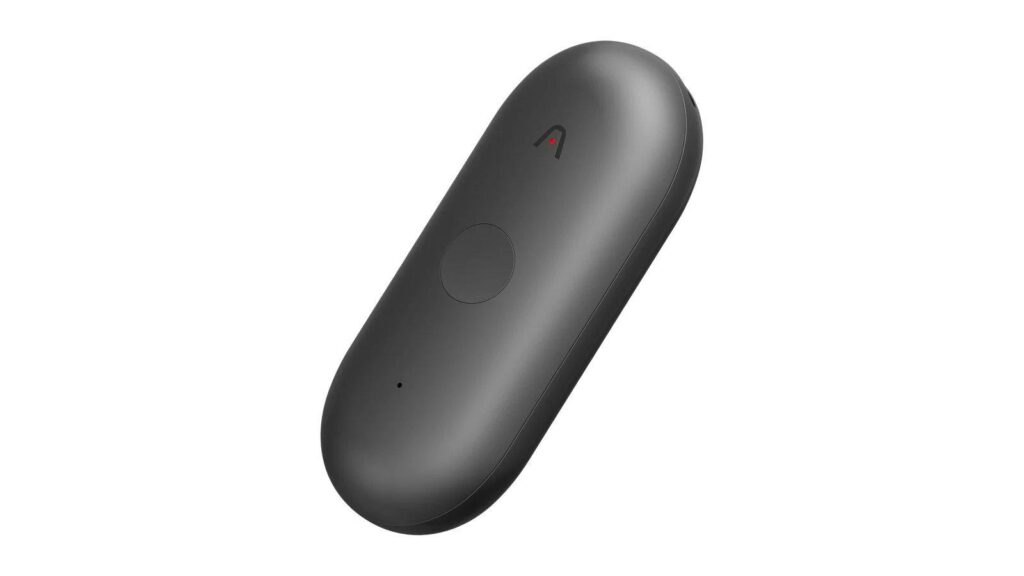
The physical highlight control is useful when the clinician reaches a point the patient wants to find again. A highlight marks that moment in the recording for later review. It does not label the information as an instruction, diagnosis, or final decision.
After the visit, the transcript can help the user locate a particular part of the conversation. The summary can group topics and follow-up points, while the recording provides the original wording when a sentence needs checking.
Medical details require a second source
Automated transcription can mishear unfamiliar names, medication terms, numbers, and words spoken over background noise. A missing negative can also change the meaning of a sentence. Those details should be checked against the clinician’s written instructions, the after-visit summary, the patient portal, or a direct follow-up with the care team.
Speaker labels need similar care. An appointment may include a patient, clinician, nurse, and family member. If the transcript assigns a statement to the wrong person, the resulting summary may preserve the statement while losing its source.
The safest use is navigation. The transcript helps the reader find what was discussed, and the recording helps confirm the wording. Questions about what to take, stop, schedule, or monitor belong with the licensed professional responsible for the patient’s care.
Permission comes before convenience
A small wearable may not look like a recorder to other people in the room. The patient or caregiver should clearly say that recording is planned, explain the purpose, and ask the clinician or clinic whether it is allowed. Every person who may be captured needs the notice and consent required by local law and the organization’s policy.
Some clinics may allow a patient to take written notes but prohibit audio recording. Others may have a process for documenting permission or protecting the privacy of nearby patients. If the clinic declines, Plaud NotePin S should remain off, and the patient can ask for written instructions instead.
Permission also needs to be reconsidered when another professional enters the room or when the conversation moves into a shared area. Approval for one part of an appointment does not automatically cover every later setting.
Privacy questions belong in the setup
Health conversations can include information that a patient would not share in an ordinary meeting. Before using any recording tool, the user should know where the audio and transcript are stored, which accounts can open them, and how files are deleted.
Shared devices and family access create additional choices. A caregiver may need the recording to coordinate follow-up, while another relative may have no reason to see it. The account owner should decide who receives access rather than forwarding the full transcript by default.
Deletion is part of the workflow. Once the necessary information has been checked and transferred to an appropriate personal record, keeping the complete audio indefinitely may add exposure without helping the next step. The right retention period depends on the user’s needs, clinic guidance, and applicable rules.
Questions to settle before the visit
A few decisions made at home make the recording easier to use later. They take a couple of minutes and can prevent an awkward moment in the exam room.
- Ask the clinic in advance whether audio recording is allowed, and note the name of the person who confirmed it.
- Decide who will hold the device. A caregiver who is not answering questions may find it easier to start, mark, and stop the recording.
- Write down the three questions that matter most, so the conversation is not shaped by the recorder.
- Agree on where the file will be stored afterwards and who in the family may open it.
- Plan when to delete the audio once the useful details have been checked and copied into a personal health record.
None of these steps changes what the clinician recommends. They simply make it more likely that the patient leaves with a clear account of the conversation and a respectful process around it.
Plaud NotePin S suits a narrow, useful job
Plaud NotePin S is a wearable AI note taker that may suit patients who leave appointments with several follow-up items, caregivers who attend visits with a family member, or people who want to review the exact wording of a permitted face-to-face discussion. Its wearable design keeps the capture control accessible without turning the phone into the center of the appointment.
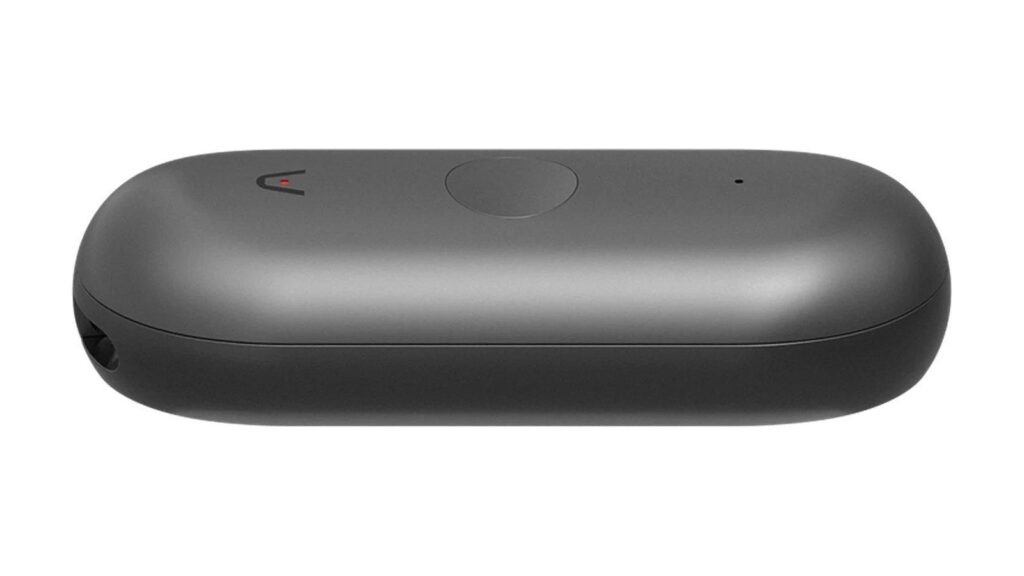
The device records in-person conversations and does not record phone calls. Telehealth or telephone appointments require another approved method, and the same rules for notice, consent and verification still apply.
Plaud NotePin S serves as a bridge between the spoken appointment and the patient’s later review. The clinician’s written materials remain the reference for medical instructions, and unresolved questions should return to the care team. Within that limit, the recording can help a patient find the part of the conversation they need to hear again.
FAQ
Is Plaud NotePin S a medical device?
This wearable AI note taker captures in-person conversations. It does not diagnose conditions, recommend treatment, or replace a clinician’s judgment.
Can a patient record a medical appointment?
Recording rules vary by location and clinic. The patient should tell everyone involved, ask the clinic whether recording is permitted, and obtain any consent required by law and policy.
Can the AI summary replace written medical instructions?
No. The summary can help a user locate topics from the conversation, but medication details, follow-up steps, and other medical instructions should be checked against clinician-provided materials or confirmed with the care team.
Other Articles You May Find of Interest...
- Improving Healthcare Network Performance with Managed SD-WAN Solutions
- Recording Medical Appointments With A Wearable Ai Note Taker
- The Future of Patient-Centered Healthcare in a Digital World
- Why the Human Element Still Matters as AI Enters Critical Care
- How to Use AI Search to Find a Doctor, and What It Still Gets Wrong
- In Health Care, Your Inbox Can Contain Part of the Patient Record
- How to Evaluate a HIPAA-Compliant Healthcare Software Development Partner in 2026