Your Health Magazine Contributor
4201 Northview Drive
Suite 102
Bowie, MD 20716
More Healthcare Careers Articles
What to Know Before Choosing an Accelerated Nursing Path
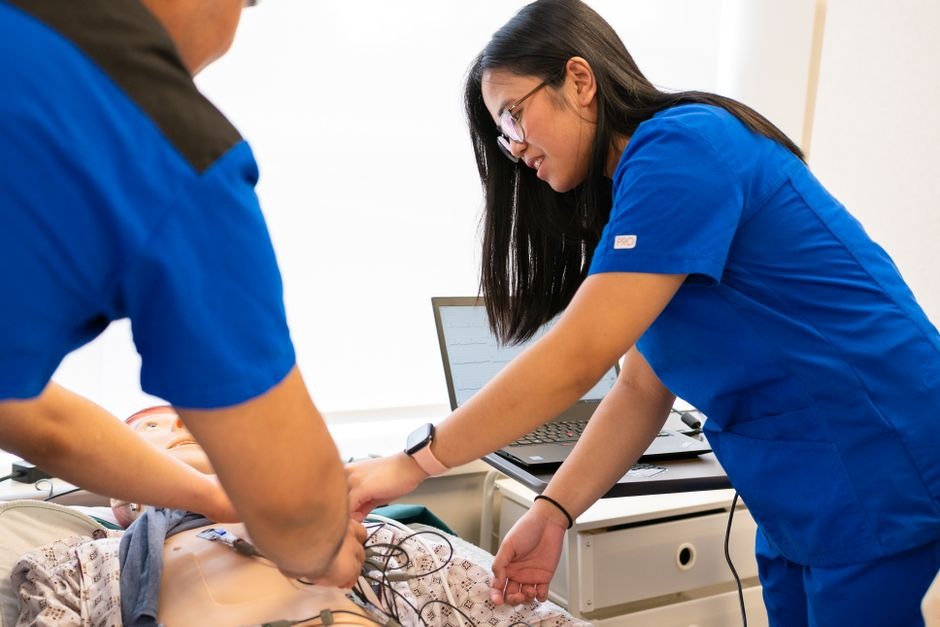
If you’re looking at nursing and feeling torn between speed, cost, and long-term career options, you’re not alone. Accelerated nursing paths can look like a shortcut, but they’re closer to a fast lane with strict rules and little room for drifting. Before you commit, it helps to understand how these programs work, who they fit best, and what daily life actually looks like once the pace picks up.
Career trajectory matters if you want more than initial licensure
Choosing a program only for speed can backfire if you later want advanced practice, leadership, education, or specialized roles. Some students enter nursing planning to work bedside long term. Others discover new goals after seeing how broad the field really is.
That’s where educational structure becomes important. Certain graduate-entry pathways are built to support both RN licensure and future advancement. For example, many students researching direct entry MSN-prepared nurses are trying to understand how an accelerated transition into nursing can also influence leadership potential, professional flexibility, and graduate-level preparation.
This doesn’t mean one route is best for everyone. It means you should think a few steps ahead. If you suspect you may want to move into administration, informatics, case management, public health, or advanced clinical study later, your educational path should support that direction instead of boxing you in.
Accelerated nursing programs move fast for a reason
Accelerated nursing paths are designed for people who already have a non-nursing bachelor’s degree and want to move into healthcare without spending another four years in school. The structure is intense because programs compress a large amount of science, clinical training, and theory into a shorter timeline.
You’re not skipping content. You’re absorbing it faster.
That pace can be appealing if you want to enter the workforce quickly, especially with ongoing demand for registered nurses across hospitals, outpatient centers, rehab facilities, and community clinics. Still, quick entry doesn’t automatically mean easy entry.
Admissions often require prerequisite science courses, competitive GPAs, recommendation letters, and proof that you understand what nursing work really involves. A polished application matters, but realistic expectations matter more. Nursing school has a reputation for pressure for good reason. The workload tends to arrive all at once, usually with clinicals attached.
Your schedule may become the main challenge, not the coursework alone
A lot of students assume the biggest hurdle will be memorizing medications, anatomy terms, and care plans. Those are demanding, no question. Yet the bigger issue for many students is managing time when lectures, skills labs, exams, and clinical shifts all stack up.
One week might include a dosage calculation quiz, an early morning hospital rotation, reading assignments, and a group care project that somehow becomes your problem by Friday. Nursing school has a special talent for testing both your knowledge and your calendar.
Before choosing an accelerated path, think honestly about your outside responsibilities:
– Work hours and income needs
– Childcare or family obligations
– Commuting time to campus or clinical sites
– Study habits under pressure
– Mental and physical stamina
If your schedule is already overloaded, a shorter program can feel less like efficiency and more like controlled chaos. Planning support systems early can prevent burnout later.
Clinical experience shapes your confidence more than brochures ever will
Program websites often highlight course lists, timelines, and career outcomes. Those details matter, but clinical training gives you the clearest picture of what nursing demands day to day. It’s where you move from theory to real patients, real documentation, and real decisions.
In clinical settings, you may help with wound care, patient education, medication administration, charting, and communication with interdisciplinary teams. You also learn how much of nursing depends on judgment, adaptability, and calm behavior when things get messy.
That experience can be energizing or sobering. Sometimes both in the same shift.
When comparing programs, look beyond general statements and ask practical questions:
– How many clinical hours are included?
– What settings are used for placements?
– How early do students begin hands-on training?
– Are simulation labs part of the curriculum?
– How is clinical supervision handled?
Strong clinical preparation often affects how ready you feel during your first nursing job, where confidence counts and hesitation can show fast.
Cost deserves more attention than tuition alone
People often compare nursing programs by sticker price, then stop there. Tuition matters, but total cost includes much more. Accelerated programs can carry extra expenses because of their pace and clinical demands.
You may need to budget for:
– Lab fees and simulation costs
– Scrubs, shoes, and equipment
– Background checks and immunization records
– Licensing exam fees
– Transportation to clinical sites
– Reduced work hours during school
That last one hits hard. A program that looks cheaper on paper may become more expensive if it makes steady employment nearly impossible. Lost income can change the math quickly.
Scholarships, employer partnerships, grants, and federal aid may help, but they rarely erase all pressure. Build a budget based on your actual life, not your most optimistic spreadsheet. If a program’s financial load creates constant stress, academic performance can suffer. Debt and exhaustion are a rough combo.
Emotional resilience is part of nursing readiness
Nursing education tests more than intellect. It asks how you respond when a patient declines, when a clinical instructor challenges your choices, or when your best effort still earns tough feedback. If that sounds harsh, welcome to healthcare, where the learning curve is steep and patients can’t wait for perfect timing.
Resilience doesn’t mean being unfazed. It means recovering, reflecting, and improving without collapsing every time something goes wrong.
A few signs you may be ready for an accelerated path include:
– You handle constructive criticism well
– You can stay organized under pressure
– You ask for help before small problems grow
– You’re comfortable with science-heavy material
– You can keep showing up on difficult days
Nursing can be deeply meaningful work, but meaning alone won’t carry you through a compressed program. Emotional steadiness, healthy routines, and realistic self-awareness help a lot more than pure enthusiasm.
The best choice is the one that fits your real life
Accelerated nursing paths can open doors quickly, especially for motivated students who want a serious career change and understand the workload ahead. They can also become overwhelming when chosen for the wrong reasons, such as outside pressure, vague interest, or a rushed decision based only on timelines.
Take time to compare program structures, clinical quality, support services, and long-term academic value. Talk to current students, review licensure outcomes, and examine your finances with brutal honesty. Glamorous fantasies fade fast at 5 a.m. clinical check-in.
If you choose this route with clear expectations and a workable plan, the intensity can pay off. You’re not just picking a degree. You’re choosing the environment that will shape how you learn to care for people when competence matters most.
Other Articles You May Find of Interest...
- What to Know Before Choosing an Accelerated Nursing Path
- What Is Pre-Nursing and Is It Worth It
- Beyond the Brochure: Choosing a Medical School With Your Future in Mind
- How Hybrid Nursing Education Is Rewriting the Route Into Healthcare
- RN Botox Certification Cost: What Nurses Really Pay to Build an Aesthetics Career
- What You Should Know Before Choosing the Nurse Practitioner Career Path
- The Ultimate Guide to Finding the Best Nail Technician Course in the UK