Your Health Magazine Contributor
4201 Northview Drive
Suite 102
Bowie, MD 20716
More Healthcare Careers Articles
RN Botox Certification Cost: What Nurses Really Pay to Build an Aesthetics Career
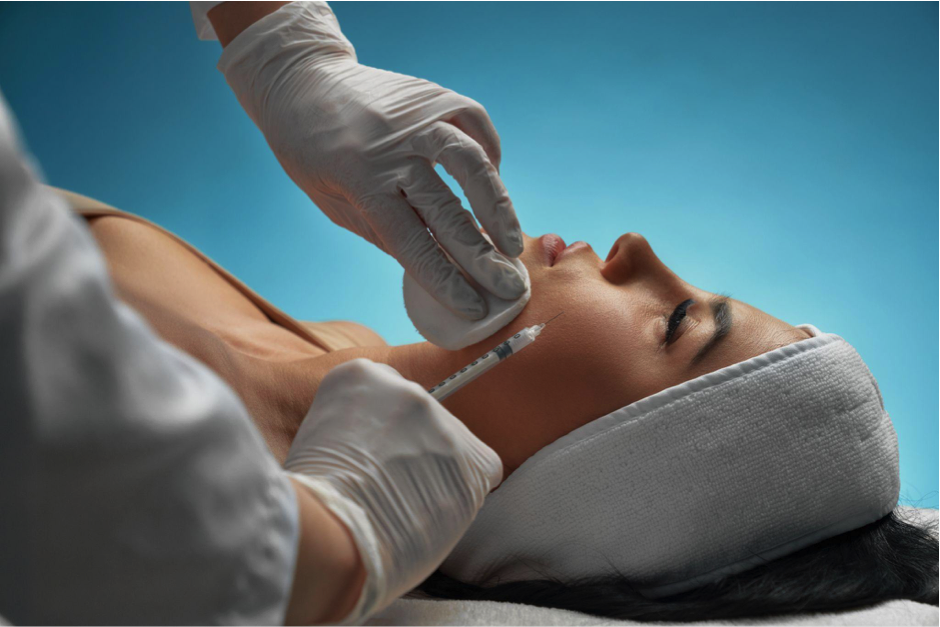
The RN Botox certification cost is often the first question nurses ask when they consider leaving bedside care for medical aesthetics. The answer isn’t a single number. Tuition can range from a few hundred dollars for an online course to several thousand for a multi-day program with live-model practice.
This guide explains what you’re paying for, which expenses beyond tuition you’ll need to cover, and how to judge value rather than price. The aim is to help you build a realistic budget for a safe and sustainable move into aesthetic nursing.
How much does it cost to become Botox certified?
Most registered nurses spend between $500 and $5,000 on initial Botox training. The final figure depends on course format, how much hands-on injecting you do, and whether dermal fillers are included.
A “Botox certification” is usually a certificate of course completion, not a state license or independent authority to perform cosmetic injections. What an RN can legally do depends on state scope-of-practice rules, required prescriber orders or delegation, supervision requirements, and the nurse’s demonstrated education and competency. The course gives you the skills and documentation that employers and insurers expect to see.
Typical cost ranges by course type
- Online or didactic-only courses: $500 to $1,500. These cover facial anatomy, product science, and complications, but they include little or no injecting.
- One-day hands-on Botox training: $1,500 to $3,000. These usually combine morning theory with afternoon injections on live models.
- Botox and dermal filler combination programs: $3,000 to $6,000. You learn both treatments, often over two days.
- Comprehensive multi-day or mentorship courses: $5,000 to $10,000 or more. These often include advanced techniques, business training, and follow-up support.
Costs also vary by region. For a detailed look at one state’s market, this breakdown of rn botox certification costs shows how local demand and course formats shape pricing for Texas nurses.
What drives the price differences
Two courses with similar titles can differ in price by thousands of dollars. The difference usually comes down to a few factors:
- Live-model practice: Injecting real patients under supervision is the most valuable and most expensive part of training. Courses that let you practice only on mannequins cost less but build less confidence.
- Class size: A ratio of four students to one instructor gives you far more individual feedback than a room of twenty.
- Instructor experience: Trainers with years of clinical injecting and complication-management experience usually charge more.
- Course materials: Some programs include product, manuals, and consent templates in the price. Others charge extra for them.
- Post-course support: Mentorship, refresher sessions, and access to an instructor when you have clinical questions add value that basic courses rarely offer.
Costs beyond tuition
The advertised tuition is only part of your budget. Nurses often overlook these expenses:
- Travel and lodging: Flights, hotels, and meals for an out-of-town course can add $500 to $1,500.
- Lost wages: Taking unpaid shifts off to attend training has a real cost.
- Liability insurance: Aesthetic malpractice coverage often runs $500 to $2,000 or more a year, depending on your role and location.
- Advanced training: Most injectors take extra courses within their first year, such as lip filler or complication management.
- Starting to practice: If you plan to work independently, budget for medical director agreements, supplies, and product inventory, where your state permits it.
Is Botox certification worth it?
For many nurses, yes, but only when the training builds real clinical skill. Demand for neuromodulators is strong. The American Society of Plastic Surgeons reported roughly 9.5 million neuromodulator injection procedures in the United States in 2023, making them the most popular minimally invasive cosmetic treatment.
Earnings vary widely. U.S. Bureau of Labor Statistics data put median RN pay at $97,550 per year as of May 2025. Experienced aesthetic nurses in busy practices can earn at or above that level, often with more predictable hours than hospital shifts, although income depends heavily on location, employer, and patient volume.
Here’s a practical example. A nurse who spends $3,500 on a hands-on Botox and filler course and later earns an extra $150 per patient session would need about 24 treatments to recover the tuition. In an active medical spa, that can happen within a few months. A cheaper course that leaves you unsure of your technique may slow that timeline considerably.
Key insights
- Hands-on hours matter more than the certificate itself.
- Employers often ask how many live patients you injected during training.
- Paying less upfront can cost more later if you need to retrain.
- Complication management training protects both patients and your license.
Limitations to keep in mind
- A certificate alone does not guarantee a job offer.
- Scope-of-practice rules for RNs differ by state and country, and some require physician or NP supervision.
- Building a loyal patient base takes time, especially in competitive markets.
- Earnings projections are estimates, not promises.
Ways to offset the cost
You may not have to pay the full amount yourself. Some options to explore:
- Employer education reimbursement: Some clinics and medical spas cover training for nurses they hire or plan to hire.
- Continuing education benefits: Accredited courses may count toward CE requirements, and some employers fund CE.
- Tax deductions: In some cases, education that maintains or improves skills in your current profession may be deductible. Rules are complex and depend on your situation, so speak with a qualified tax professional before claiming anything.
- Payment plans: Many training providers offer installments, though you should check for added fees.
How long does it take to be Botox certified?
Most nurses complete initial Botox training in one to three days. A basic hands-on course typically takes one day, while Botox and filler programs usually take two. Online modules can be finished at your own pace, often in 8 to 16 hours.
Becoming confident takes longer than the course. Many nurses say their first few months of supervised practice taught them as much as the training itself. Expect to keep learning through observation, mentorship, and advanced courses during your first year.
Practical steps to plan your budget
- Check your state board of nursing rules on aesthetic injections for RNs.
- Decide whether you want Botox only or Botox and fillers from the start.
- Compare at least three courses on hands-on hours, class size, and instructor background.
- Add travel, insurance, and lost wages to the tuition figure.
- Ask current or future employers about reimbursement before you enroll.
- Set aside funds for at least one advanced course within your first year.
Conclusion
The true RN Botox certification cost includes more than tuition. It includes the time, travel, insurance, and continued learning that turn a certificate into clinical competence. When you look at the full picture, the lowest price is rarely the best value.
Perhaps the better question isn’t “How much will this cost?” but “How confident will I feel with my first patient on my own?” Choosing training that answers the second question well is often what makes the first one worth it.
Other Articles You May Find of Interest...
- Best ADAT Prep Courses for Dental Students and Dentists (2026)
- What Disqualifies Candidates in Healthcare Background Checks?
- What to Know Before Choosing an Accelerated Nursing Path
- What Is Pre-Nursing and Is It Worth It
- Beyond the Brochure: Choosing a Medical School With Your Future in Mind
- How Hybrid Nursing Education Is Rewriting the Route Into Healthcare
- RN Botox Certification Cost: What Nurses Really Pay to Build an Aesthetics Career