More Medication Articles
What Fluticasone Propionate Cream Is Used For
By Your Health Magazine Health Information Team
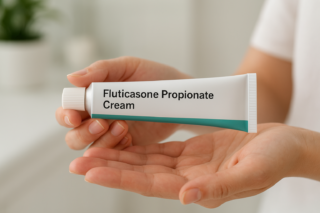
Fluticasone propionate cream is used to reduce redness, swelling, itching, and irritation caused by certain inflammatory skin conditions, particularly eczema, atopic dermatitis, and psoriasis. It is a prescription topical corticosteroid that controls inflammation in the skin. It does not cure the underlying condition, and it should be used only on the skin problem for which it was prescribed.
What Conditions Does Fluticasone Propionate Cream Treat?
Fluticasone propionate cream 0.05% is classified as a medium-potency topical corticosteroid. Each gram typically contains 0.5 milligrams of fluticasone propionate, although inactive ingredients can differ among manufacturers.
The cream may be prescribed for corticosteroid-responsive skin conditions, meaning conditions that generally improve when skin inflammation is suppressed. Common examples include:
- Atopic dermatitis or eczema: It may relieve itching, redness, swelling, thickening, and irritation during a flare.
- Psoriasis: It may reduce inflammation, scaling, redness, and plaque thickness in appropriate treatment areas.
- Other inflammatory rashes: A clinician may prescribe it for another dermatitis or inflammatory skin disorder after identifying the likely cause.
The official DailyMed prescribing information for fluticasone propionate cream describes it as a treatment for the inflammatory and itchy symptoms of corticosteroid-responsive dermatoses.
Not every red or itchy rash responds appropriately to a steroid. Ringworm and other fungal infections, bacterial infections, viral skin conditions, acne, rosacea, and perioral dermatitis can require different treatment. Applying a corticosteroid to an undiagnosed infection may mask symptoms or allow the infection to worsen.
How the Cream Works
Fluticasone propionate is a synthetic corticosteroid. When applied to affected skin, it reduces the inflammatory activity responsible for symptoms such as itching, redness, and swelling.
The medicine controls symptoms rather than removing every possible cause of a rash. For example, a person with eczema may still need moisturizers, gentle skin care, and avoidance of known irritants. A person with psoriasis may require additional treatment depending on the location and extent of the condition.
Fluticasone propionate is also found in nasal sprays, inhalers, lotions, and ointments, but those products are not interchangeable. They may contain different concentrations and are designed for different parts of the body. The cream is for dermatologic use and should not be placed in the nose, mouth, or eyes.
It is also unrelated to the treatment of digestive conditions. Someone experiencing gastrointestinal symptoms rather than a skin rash may find separate information about whether acid reflux can be associated with diarrhea more relevant.
Using Fluticasone Propionate Cream Safely
Follow the prescription label and the instructions provided by the prescriber or pharmacist. The amount, frequency, treatment area, and duration can depend on the diagnosis, the patient’s age, and the location and severity of the rash.
General safety precautions include:
- Apply the medicine only to the affected skin and wash your hands afterward, unless the hands are being treated.
- Avoid the eyes, mouth, and other mucous membranes.
- Do not use it on the face, groin, armpits, genital area, or skin folds unless specifically instructed.
- Do not cover the treated area with a bandage, plastic wrap, or another airtight covering unless directed. Covering the area can increase absorption and side effects.
- Do not apply it beneath a child’s diaper unless the prescriber specifically approves this use. A diaper can act as an occlusive covering.
- Do not apply the cream to a larger area or continue it longer than prescribed.
- Do not share the medication or use it later for a different rash without medical guidance.
The MedlinePlus guidance on topical fluticasone provides additional consumer information about precautions, side effects, storage, and missed applications. The broader MedlinePlus drug information directory can also help readers identify reliable information about other medicines.
Possible Side Effects and Precautions
Some people experience temporary burning, itching, dryness, redness, or irritation where the cream is applied. Other possible local effects include acne-like bumps, unwanted hair growth, bruising, changes in skin color, visible small blood vessels, and thinning or shiny skin.
Topical corticosteroids can be absorbed through the skin. The chance of significant absorption is generally greater when the medicine is used over a large area, on inflamed or damaged skin, under an airtight covering, or for an extended period. Children may absorb proportionally more medicine because of their body size and may be more vulnerable to systemic corticosteroid effects.
Some U.S. labels allow cautious use of fluticasone propionate cream 0.05% in children aged 3 months and older, but the safety of treatment lasting longer than four weeks has not been established in this population. A pediatrician or dermatologist should direct treatment in infants and children.
Tell the prescriber about pregnancy, breastfeeding, existing skin infections, skin thinning, liver disease, or previous reactions to corticosteroids. Certain fluticasone propionate cream formulations contain imidurea, an ingredient that can release small amounts of formaldehyde. People with a known formaldehyde allergy should have the product’s inactive ingredients reviewed by a pharmacist or clinician.
When to Seek Care
Contact the prescribing clinician or a dermatologist if the rash does not begin to improve within about two weeks, returns quickly, spreads, or becomes more painful. The diagnosis may need to be reconsidered rather than simply continuing the corticosteroid.
Prompt medical evaluation is also appropriate for:
- Increasing warmth, swelling, tenderness, pus, crusting, or fever, which may indicate infection
- Severe burning, blistering, skin breakdown, or pronounced thinning
- A new or worsening rash around the mouth or on the face
- Unusual swelling, vision changes, marked fatigue, or other concerning symptoms during extensive or prolonged use
Seek emergency care for trouble breathing, throat or facial swelling, widespread hives, or another sign of a severe allergic reaction.
The Bottom Line
Fluticasone propionate cream is used for eczema, psoriasis, and other steroid-responsive inflammatory skin conditions. It can reduce itching, redness, swelling, and scaling, but it is not an all-purpose rash cream and does not treat infections. Use it only as prescribed, avoid sensitive areas unless directed, and seek medical review if the condition worsens or fails to improve.
Other Articles You May Find of Interest...
- What Fluticasone Propionate Cream Is Used For
- Identifying the Blue A 17 Pill and Avoiding Counterfeits
- What to Know About Evaluating BPC-157 Injectable Claims
- Is Seroquel a Controlled Substance?
- Pain Medications Starting With P: Common Examples and Uses
- What Is the Brand Name for Viloxazine?
- What Is the Brand Name for Levocetirizine?