






Your Health Magazine Contributor
4201 Northview Drive
Suite 102
Bowie, MD 20716
More Consumer Health Guides Articles
How Product Packaging Impacts Consumer Health and Safety
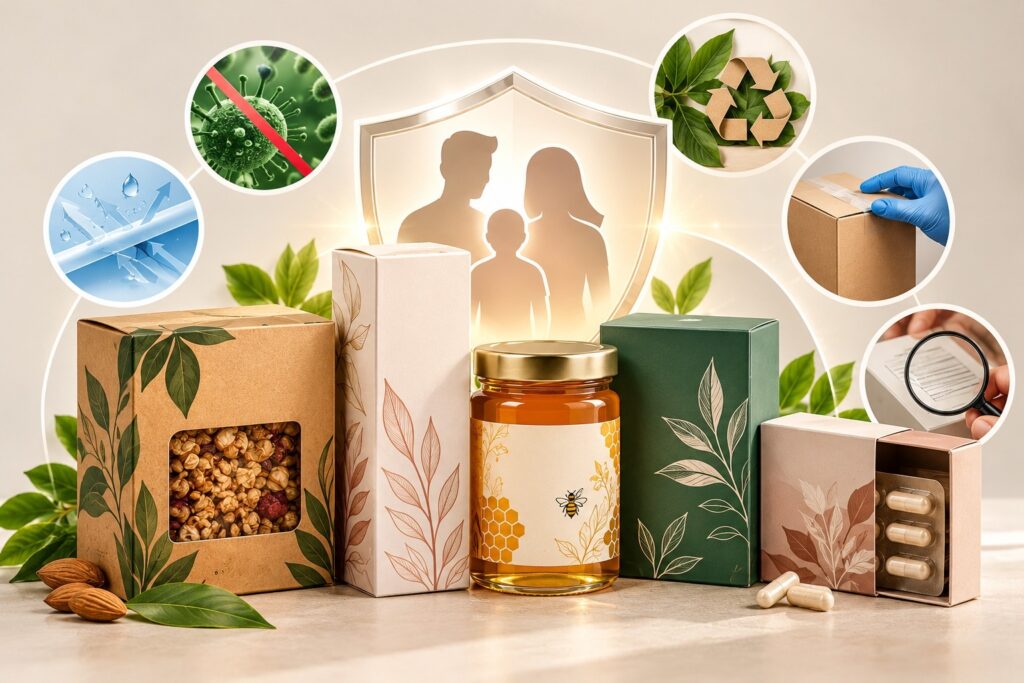
Packaging is not just an element of marketing. It is the silent guardian that ensures products arrive in a condition that is safe and useful for consumers. Packaging serves as the first step towards health protection since products—from food and beverages to medicines and wellness products—should be kept from any contamination.
However, packaging does more than simply wrapping a product. It carries responsibility. Everything from materials and seals to labeling requires a thought-out and carefully considered approach. Consumers rely on packaging not only to guide and protect them but also to provide assurance. So a company’s first approach should be to treat packaging as a health and safety priority, not just a marketing opportunity.
How does product packaging impact consumer health and safety? Let’s discuss this further.
Why Product Packaging Matters for Consumer Health
Packaging affects consumer health in ways many people don’t think about.
- Protection: Packaging keeps products inside safe from germs, dirt, and air.
- Trust: Safe packaging makes people feel more confident. Shoppers feel better when they see signs that show the package hasn’t been opened or when it has locks to keep children out.
- Longevity: Good packaging makes products last longer.
This means packaging affects buying choices, not how long the product stays good. That is why product packaging and consumer safety matter so much in today’s business world.
How Packaging Materials Affect Product Safety
Materials are the foundation of packaging. Choosing the wrong material can compromise consumer health, and that is a real risk for everyone.
Let’s break it down.
- Plastic: Plastic is widely used. However, it is only safe when it is food‑grade. And some plastics may release chemicals when they are heated. That is why you should always check the label for the food‑grade mark.
- Glass: Glass is non‑reactive and ideal for liquids. It keeps chemicals from leaching out. It also preserves the product’s integrity. Many businesses prefer glass because it does not react with the contents.
- Metal: Metal is strong and protective. But its coatings must have the capacity to prevent rust and contamination.
- Paper/Cardboard: These materials are both eco‑friendly. However, they must be treated with special coatings to resist moisture that might harm the products inside.
The Role of Packaging in Preventing Contamination
As we all know, contamination is one of the biggest threats to consumer health. Packaging acts as a shield.
Here’s how.
- Sealed packaging prevents the product from coming into contact with excess air and harmful germs.
- Tamper-evident designs make consumers feel safe and sound, as the product hasn’t been tampered with.
- Barrier films are essential to block oxygen and sunlight, helping products stay fresh longer.
Contamination is a common reason products are recalled, which makes protective packaging, secure seals, and appropriate barrier materials important parts of product safety.
Health and safety packaging makes sure that products stay safe from when they are made to when they are used.
Why Clear Labeling and Safety Information Matter
Labels are not a simple decoration on packaging. They guide consumers to use products in the right and safe ways.
- Ingredient lists tell consumers what’s inside a product and help them avoid allergens.
- Expiration dates ensure consumers consume products before they get spoiled.
Clear labeling helps consumers understand ingredients, expiration information, warnings, and proper use. Without adequate labeling, even well-designed packaging cannot provide all of the information consumers need to use a product safely.
How Child‑Resistant Packaging Helps Protect Families
Children are naturally curious. Packaging must anticipate this.
Child-resistant designs, such as push-and-turn caps and certain blister packaging, are required for some regulated products and can help reduce accidental access to medicines and other hazardous substances.
Child-resistant packaging is an important safety measure, although it should never replace storing medicines and hazardous products securely and out of children’s reach.
Overall, we can say that safe product packaging is not about keeping the product safe; it is about keeping consumers safe. Families depend on packaging to protect them from dangers. Child‑resistant designs give families peace of mind.
Packaging Safety Considerations for Wellness Products
Wellness products such as supplements, herbal remedies, and CBD items contain sensitive ingredients that must have proper storage to remain effective. This means that their packaging must protect them from light, moisture, and contamination. It must also display clear dosage instructions and safety warnings.
For example, businesses offering botanical wellness solutions can use well-designed, specialized solutions, such as custom CBD boxes, to accommodate product-specific labeling, protection, and safety information.
Another example to mention is supplement protein powders. These wellness products need airtight, moisture‑resistant containers to stop clumping and bacterial growth. Clear instructions and allergen warnings such as “contains milk or soy ” are essential for consumer safety.
Wellness product packaging is not about looks. It is about making sure that consumers can use these wellness products safely and with confidence.
What Consumers Should Look for in Safe Packaging
Consumers also have their part to play.
Look for:
- Seal integrity: Check that the packaging has not been tampered with or broken. If so, that is a red flag.
- Labels: Search for information on the expiration date, safety information, and any kind of certifications that exist.
- Materials: Try to get packaging from food-grade plastic or glass or eco-friendly paper. This is more likely to be safe because it doesn’t leach anything into the food or drinks.
Visible safety seals can also influence consumer confidence by showing whether a package appears intact before purchase.
Packaging and consumer health are closely linked. Buyers who pay attention to packaging details protect themselves and their families. It’s a step, but it makes a real difference.
Final Thoughts
Packaging is more than a way to sell a product—it’s a must for keeping people safe and healthy. Every part of it — from what it’s made of to what’s written on it — matters when it comes to protecting consumers.
Safe packaging stops germs and dirt from getting in. It tells people what’s inside, how to use it, and what to watch out for.
In the end, packaging is a silent partner in consumer safety. It ensures that products are not only appealing but also trustworthy. Brands that prioritize safety in packaging build stronger relationships with their customers, while consumers who stay informed make healthier choices.
Other Articles You May Find of Interest...
- How Product Packaging Impacts Consumer Health and Safety
- Finding an Emergency Plumber Near Me: Protecting Your Home and Health During a Plumbing Emergency
- How to Find Someone’s Social Media Using Their Phone Number Before Meeting in Person
- Top 3 Plumbing Leak Repairs That Every Homeowner Should Master
- Hydrojet Drain Cleaning: Essential Maintenance Guide for Homeowners
- How Timely Garbage Disposal Repair Service Prevents Kitchen Disasters
- How Timely Sewer Drain Line Repair Prevents Costly Damage




