






Your Health Magazine Contributor
4201 Northview Drive
Suite 102
Bowie, MD 20716
More Gastroenterology Articles
Why You Get Stomach Bloating and Gas After Eating Meat
(Source)
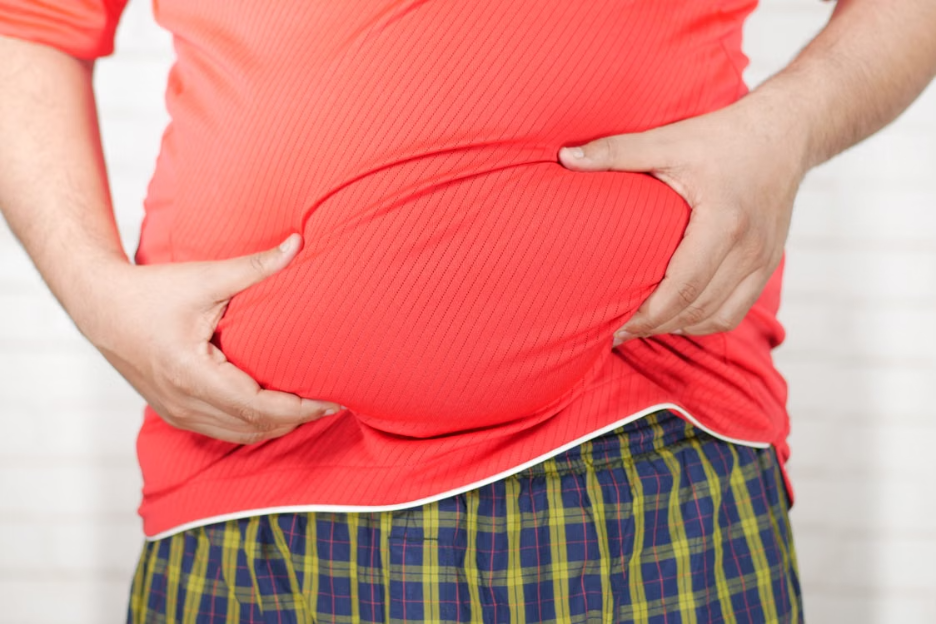
Feeling bloated or passing gas after a meal can make eating uncomfortable. After consuming beef, poultry, pork, or other meats, some people have these symptoms. Soon after eating, they may have a distended stomach, frequent burping, abdominal pressure, or excessive gas.
The body gets protein, iron, zinc, and other nutrients from meat. But how you feel after a meal might vary depending on how much you eat, how much fat it contains, what’s served with it, and how healthy your digestive system is. In some cases, meat may not be the primary source of discomfort.
By knowing potential triggers, you can make informed dietary choices without needlessly excluding nutrient-dense foods from your meals. Here are six possible causes of gas and bloating after eating meat, along with helpful remedies.
1. Your Meal May Be Too Large or Heavy
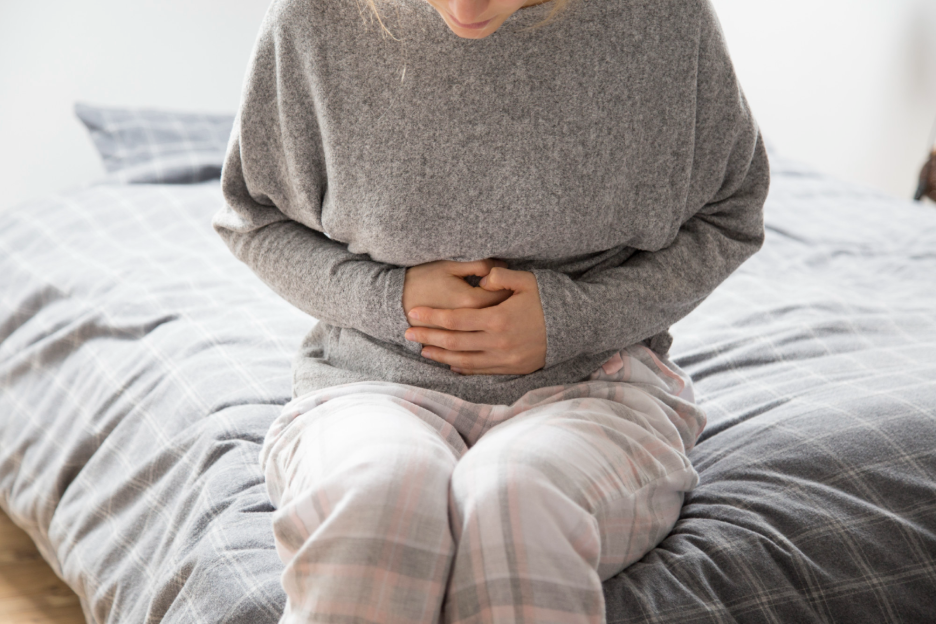
Experiencing stomach bloating and gas after eating meat doesn’t automatically mean your body cannot digest meat protein. A big meal, its fat content, or other items you eat with it could cause the discomfort. For instance, eating a large portion of meat with onions, beans, and a flavorful sauce can trigger several possible reactions.
The digestive system breaks down meat protein using digestive enzymes and stomach acid. On the other hand, a large meal may make you feel uncomfortably full for a long time. Fermentation of undigested carbohydrates in the large intestine and swallowed air can also cause gas symptoms, according to the National Institute of Diabetes and Digestive and Kidney Diseases (NIDDK).
Try chewing your food well and eating smaller portions. Pay attention to the ingredients in your meat to see whether a particular combination is causing your symptoms.
(Source)
2. High-Fat Meat May Increase Bloating
Fatty cuts of meat may contribute to prolonged fullness and abdominal discomfort in some people. Examples include sausage, fatty beef, pork belly, and meat cooked with large amounts of butter or oil. High-fat meals can slow stomach emptying and may worsen bloating or digestive discomfort in susceptible individuals.
Research has identified high-fat foods as a potential contributor to bloating in some people. In those cases, the discomfort may be related more to the overall fat content of the meal than to the animal protein itself.
Instead of deep-frying, choose baking, grilling, or boiling; try leaner cuts; and trim any visible fat. After eating these meals, compare how you feel with how you feel after your regular meals. See a doctor if eating fatty foods frequently results in severe upper stomach pain instead of assuming the issue is just bloating.
3. You May Be Eating Too Quickly
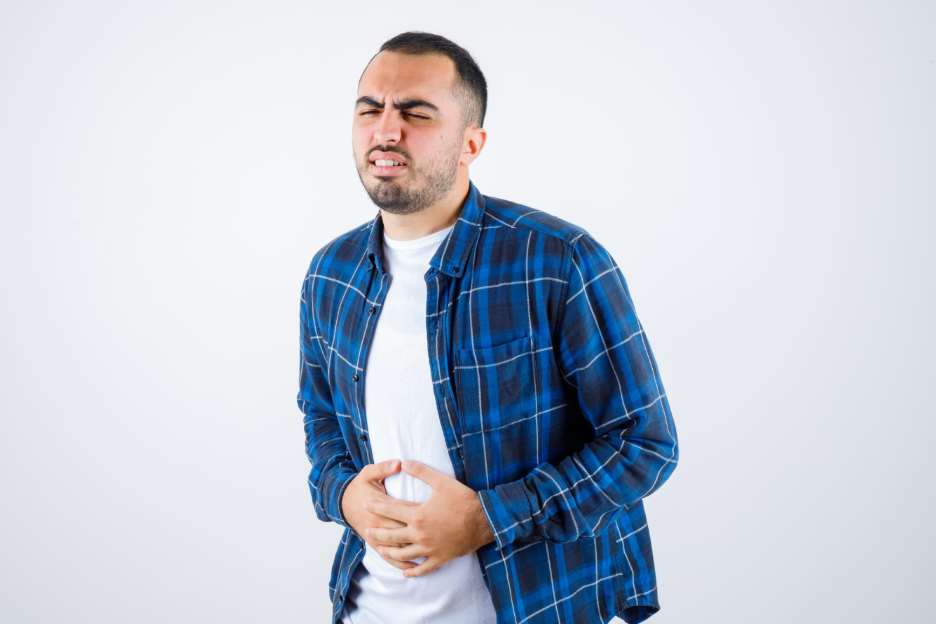
Eating hastily can make you swallow more air, which can lead to gas, belching, and abdominal pain. Large bites and eating while talking can encourage this, especially when you’re hungry or preoccupied. When you finish a meal quickly, you might also eat more than you had planned. This can be especially true after a substantial portion of meat and other rich foods, which may make you feel overly full.
Eating smaller bites, chewing thoroughly, and putting your utensils down between bites can help you slow down. You might be able to identify when you are comfortably full if you eat without interruptions. To lessen symptoms, try eating smaller, more frequent meals and chewing with your mouth shut.
(Source)
4. Other Foods in Your Meal May Produce Gas
Meat is not always responsible for gas after a meal. Side dishes, sauces, and drinks may be more likely to trigger symptoms, depending on your digestive system.
In the large intestine, gut bacteria break down the carbohydrates found in beans, lentils, onions, cabbage, and some other vegetables. This process produces gas. If you have trouble breaking down lactose, dairy products may also cause bloating, abdominal discomfort, or diarrhea.
For instance, if you eat beef with beans and onions, the gas may come more from the beans and onions than from the beef. Similarly, if you are lactose intolerant, a creamy sauce may cause symptoms.
Record your meals, serving sizes, and symptoms in a food journal. This can help you spot recurring patterns without needlessly removing entire food groups. A medical expert or certified dietician can help you choose the best course of action if you suspect a food intolerance.
5. Constipation May Be Contributing to the Problem
Bloating, discomfort in the abdomen, and trouble passing gas are all symptoms of constipation. It may involve hard stools, fewer bowel movements than normal, or straining when using the restroom.
If a diet high in meat replaces foods high in fiber, constipation may occur. Meat contains little dietary fiber, which promotes regular bowel movements. You may not be receiving enough fiber if your meals are heavy in meat but low in fruits, veggies, legumes, or whole grains.
Drink enough water and eat a variety of high-fiber meals to support intestinal regularity. Because abrupt changes can momentarily raise gas, increase your fiber intake gradually. Frequent exercise could also be beneficial. Consult a healthcare provider to determine the cause if constipation persists after these adjustments.
(Source)
6. An Underlying Digestive Condition May Be Responsible
Bloating after meals may sometimes signal an underlying digestive issue. For instance, constipation, bloating, diarrhea, and abdominal pain might be symptoms of irritable bowel syndrome (IBS). Large meals or specific foods may make IBS symptoms worse for those who have it.
Recurrent gas can also stem from digestive issues and food intolerances. Additionally, after large meals, gallstones may result in upper-right abdominal pain.
Don’t assume eating meat is the only cause of persistent problems. If bloating occurs frequently, changes unexpectedly, or comes with persistent abdominal pain, blood in your stool, or unexplained weight loss, seek medical help.
Conclusion
Large amounts, high-fat meals, swallowed air, gas-producing side dishes, constipation, or an underlying digestive disorder can all cause bloating and gas after eating meat. Removing meat from your diet might not address the issue, since it may not be the primary source.
First, review your bowel patterns, associated foods, cooking methods, and portion sizes. See a doctor if symptoms worsen, persist, or come with other worrying signs. Identifying the underlying trigger can help you manage discomfort while maintaining a balanced diet.
Other Articles You May Find of Interest...
- Why You Get Stomach Bloating and Gas After Eating Meat
- Why Does Chick-fil-A Make My Stomach Hurt?
- Dr. Omar Marar on the Evolution of Modern Colorectal Surgery
- Pain Where Your Appendix Was Removed Years Ago: Possible Causes
- Why Multi-Strain Probiotics May Offer Broader Digestive Support
- What a Healthy Colon Looks Like During Colonoscopy
- A Better Digestive Rhythm: Everyday Habits for Preventing Occasional Constipation




