






Your Health Magazine Contributor
4201 Northview Drive
Suite 102
Bowie, MD 20716
More Cancer Awareness Articles
Understanding CAR T Therapy: A Patient-Friendly Guide
If you’ve been told a blood cancer isn’t responding to treatment, or it’s come back after seeming to go away, you’ve probably heard your doctor mention car-t therapy. It’s one of the newer options out there, and for a lot of patients who’d basically run out of paths forward, it’s opened one up.
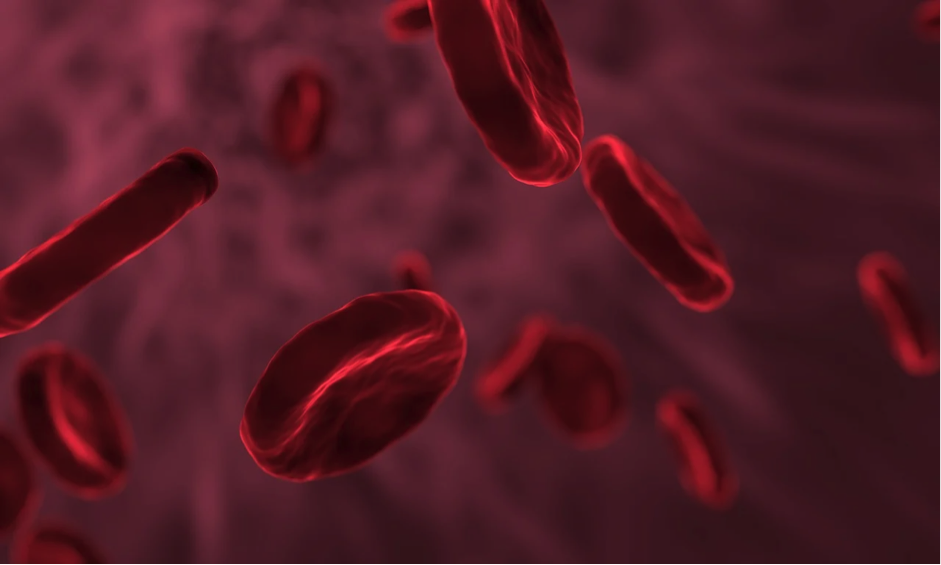
Photo source: https://pixabay.com/illustrations/red-blood-cells-microbiology-biology-3188223/
So What Is It?
CAR T stands for chimeric antigen receptor T-cell therapy. Long name, but the concept underneath it isn’t that complicated.
Your body already has T-cells. They’re part of your immune system, and their job is to hunt down threats, infections, abnormal cells, that sort of thing. Cancer, though, is good at hiding. It can slip past T-cells without setting off any alarms.
CAR T therapy gets around that. Doctors take a patient’s own T-cells out of their blood, then send them to a lab where they’re modified to recognize cancer cells specifically. Think of it like handing the T-cells a photo of exactly what to look for. Once these cells are multiplied and ready, they’re infused back into the patient’s body, where they start tracking down and destroying the cancer.
It sounds almost too simple when you say it like that, but the science behind it took years to develop.
Who Actually Qualifies?
Unfortunately, not everyone with leukemia or lymphoma is a good fit for this treatment. It tends to be used when standard treatments, like chemotherapy, haven’t worked, or when a cancer that responded at first ends up relapsing.
Before moving forward, doctors will look at a patient’s general health, how the cancer has behaved over time, and what’s already been tried. Because this process involves collecting and reprogramming a patient’s own cells, there’s some lead time involved. It’s rarely a first choice. But for patients who’ve hit a wall with other treatments, it can be a real chance at remission, sometimes when nothing else was working.
Why This Matters for Hard-to-Treat Cancers
What’s different here is the personalization. It’s not a drug that comes off a shelf the same for everyone. It’s built from the patient’s own cells, and that’s a big reason it’s helped people whose cancers had gotten hard to manage any other way.
It’s not without risks, though. Patients can develop something called cytokine release syndrome, which happens when the immune system releases large amounts of inflammatory signals after the modified cells become active. Many cases are mild and can be managed with close monitoring and treatment, but CRS can sometimes become severe or life-threatening. CAR T therapy can also cause neurological side effects, so patients are monitored closely during and after treatment.
What Comes Next
There’s ongoing research into how far CAR T therapy can go, and some of it is looking at whether the approach could eventually work for cancers outside the blood as well. For now though, it’s already one of the more promising options for people facing aggressive or treatment-resistant disease.
If standard treatment hasn’t worked for you or someone close to you, it’s worth bringing this up with a specialist. Not every case is the same, and a care team is the best resource for figuring out whether it’s a realistic option given your specific situation.
Other Articles You May Find of Interest...
- Understanding CAR T Therapy: A Patient-Friendly Guide
- How Salto Health Solves The Cancer Support Gap: Why “Let Me Know If You Need Anything” Isn’t Enough
- Endocervical Adenocarcinoma: Symptoms, Diagnosis, and Treatment
- Melanoma Treatment UK: Understanding Your Care Options
- Pelvic Osteosarcoma: A Hard Cancer to Catch Early
- Acupuncture and Cupping For Cancer Side Effects
- Coping With Cancer In Older Adults





