Your Health Magazine Contributor
4201 Northview Drive
Suite 102
Bowie, MD 20716
More Pain Management & Rehabilitation Articles
What to Do If You Think You Have a Broken Tailbone
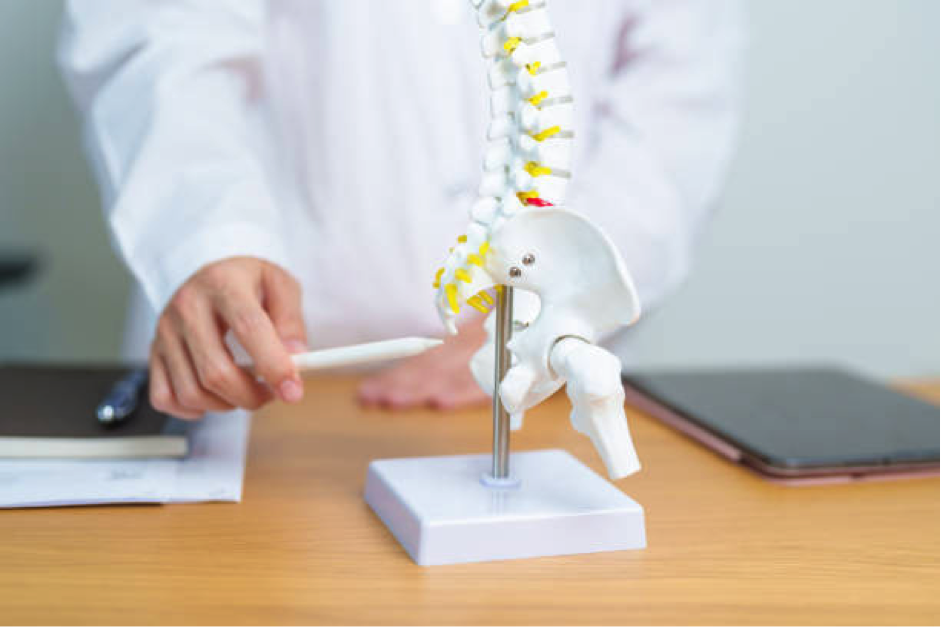
The coccyx, also known as the tailbone, is a crucial part of the human body that is located at the base of the spine. It plays a key role in supporting the weight of the body as well as helping keep the balance while sitting down. An injury to this part would make basic mobility functions like sitting, standing, and even bowel movements more difficult.
If left unattended, this can become a prolonged issue, making life unnecessarily difficult. A tailbone fracture can occur due to a range of reasons, including childbirth, falls, and even accidents. Recognizing the symptoms of a broken tailbone may make it easier to address the issue promptly.
If you do think that you have a broken tailbone, you can take precautionary measures like using an ice pack or sitting on a cushion, but it is always safer to go see a doctor to avoid serious complications. If you suspect that your tailbone injury is a result of an accident caused by another, you might want to consider getting legal help.
Signs of a Tailbone Fracture
- Pain or tenderness at the base of the spine
- Pain when sitting, standing, bending, or having a bowel movement
- Swelling or bruising around the tailbone
- Pain that worsens when sitting on hard surfaces
- Difficulty sitting comfortably for long periods
These symptoms can occur with either a bruise or fracture, so they do not confirm a break by themselves.
Immediate Measures to be Taken
- Avoid any activities that may put additional pressure on the tailbone.
- Change positions often, as sitting for prolonged periods may increase the pressure.
- Use a cushion to relieve the pressure on your tailbone.
- Icing the area for a few days may help reduce pain and swelling.
- Don’t push recovery; start normal movements gradually and only as the symptoms allow.
- If needed, reach out to a healthcare professional to know which over-the-counter medicine might help.
When to Seek Medical Attention
- When your pain keeps worsening, and you cannot even walk or sit normally.
- Numbness or tingling in the lower back or surrounding areas
- If you notice significant swelling or bruising, numbness, or weakness.
- If you have trouble controlling your bladder or bowels.
A healthcare provider can examine the injury and determine whether additional testing or imaging is appropriate based on your symptoms and how the injury occurred.
Can You File a Civil Case for a Broken Tailbone?
If your tailbone injury was the result of another individual or entity’s negligence, you may be eligible to file a personal injury claim. Accidents such as rear-end collisions, slip and fall, etc., can lead to such injuries. However, to prove liability in such cases, you need evidence, such as:
- Medical records and treatment bills
- Police or accident reports
- Evidence of lost wages
- Photos or videos of visible injuries or the accident scene
- Witness statements or expert testimony, when applicable
- Documentation of pain and limitations in daily activities
Note: Not every tailbone injury results in a successful lawsuit. The circumstances of the accident, available evidence, severity of the injury, and applicable law can all affect whether a civil claim is appropriate.
Key Takeaways
- Tailbone fractures can cause pain or tenderness, especially when sitting, standing, bending, or having a bowel movement.
- Symptoms alone cannot confirm a fracture, as a bruised tailbone can cause similar discomfort.
- Using a cushion, avoiding pressure on the area, changing positions, and applying ice may help manage symptoms.
- Seek medical attention if pain worsens, mobility becomes difficult, or you experience numbness, weakness, or bladder or bowel problems.
- If another person’s or entity’s negligence caused the injury, medical records, accident reports, photos, and other evidence may support a civil claim.
- Whether a civil case is appropriate depends on the circumstances, available evidence, injury severity, and applicable law.
Other Articles You May Find of Interest...
- What to Do If You Think You Have a Broken Tailbone
- Closed Reduction With External Fixation: How It Stabilizes a Fracture
- Knee Massager for Muscle Tension Around the Knee What You Need to Know
- What Life Really Looks Like a Year After Spine Surgery
- Gout or Bursitis? Why Joint Swelling Can Look the Same
- Broken Kneecap Recovery: How Long Healing Usually Takes
- The Thumb Grind Test: What Pain During It Can Mean