More Health Education Articles
Where Is the Epigastric Region? A Guide to Upper Abdominal Pain
By Your Health Magazine Health Information Team
You finish a meal and notice burning, pressure, or a dull ache in the “pit” of your stomach. Is the discomfort coming from your stomach, your chest, or somewhere else? This commonly described area is the epigastric region, an important reference point healthcare professionals use when evaluating upper abdominal pain.
Where Is the Epigastric Region Located?
The epigastric region is the upper-middle part of the abdomen. It sits directly below the breastbone and between the lower edges of the ribs, extending downward toward—but generally not including—the belly button.
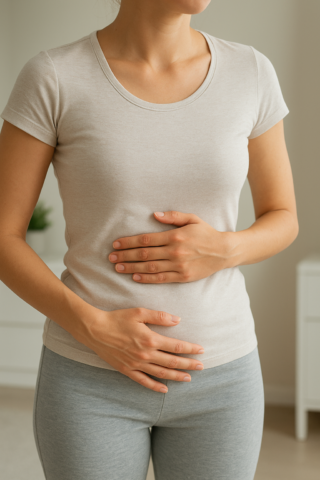
To find it, place your hand over the center of your upper abdomen, just beneath the point where your rib cage meets. The area under your palm is approximately the epigastric region. People often call it the upper stomach area or the pit of the stomach, although it contains or overlaps with more than the stomach alone.
In the nine-region system used to describe abdominal anatomy, the epigastric region is the upper central section. It is positioned between the upper-right and upper-left abdominal regions and above the central, or umbilical, region.
What Organs Are in This Area?
Several structures lie within or near the epigastric region. These include portions of the stomach, liver, pancreas, duodenum—the first part of the small intestine—and major blood vessels. The esophagus meets the stomach near this area, while the gallbladder lies farther to the right.
Because these organs are close together, discomfort felt in the epigastric region does not automatically identify which organ is involved. Pain may also be referred, meaning it begins in another location, such as the chest, but is felt in the upper abdomen.
What Does Epigastric Pain Feel Like?
Epigastric discomfort varies according to its cause. It may feel like:
- Burning or gnawing
- Dull aching or tenderness
- Pressure, tightness, or fullness
- Sharp or stabbing pain
- Cramping that comes and goes
- Discomfort that spreads to the chest, back, shoulder, or another part of the abdomen
Other symptoms may include belching, bloating, nausea, vomiting, heartburn, an acidic taste, early fullness during meals, or uncomfortable fullness afterward. When describing symptoms to a healthcare professional, note the pain’s exact location, when it began, whether it is constant or intermittent, and what makes it better or worse.
Common Causes of Epigastric Discomfort
Indigestion
Indigestion, also called dyspepsia, can cause pain, burning, or discomfort in the upper abdomen. Some people also feel full unusually soon while eating or remain uncomfortably full after a meal. Recurrent symptoms without an identifiable structural disease may be diagnosed as functional dyspepsia after appropriate evaluation.
Acid Reflux and GERD
Acid reflux occurs when stomach contents move upward into the esophagus. It may cause burning behind the breastbone, regurgitation, nausea, or upper abdominal discomfort. Frequent or persistent reflux may indicate gastroesophageal reflux disease. Learn more from this overview of gastroesophageal reflux disease symptoms and care.
Gastritis or Peptic Ulcers
Inflammation of the stomach lining can cause upper abdominal pain, nausea, reduced appetite, or early fullness. A peptic ulcer is a sore in the lining of the stomach or duodenum and may produce burning or gnawing discomfort. Helicobacter pylori infection and regular use of nonsteroidal anti-inflammatory drugs, such as ibuprofen or naproxen, are among the possible contributors to ulcers and stomach irritation.
Gallbladder or Pancreatic Conditions
Gallbladder pain often begins in the upper-right abdomen but may be felt near the center and may spread toward the back or right shoulder. Pancreatic inflammation can cause significant upper abdominal pain that sometimes radiates to the back and may occur with nausea or vomiting. These symptoms require medical evaluation, particularly when they are severe or persistent.
Muscle and Abdominal Wall Pain
Exercise, lifting, coughing, injury, or repetitive movement can strain muscles in the upper abdomen. This pain may become more noticeable when twisting, sitting up, coughing, or pressing the affected area. An epigastric hernia may create a small bulge between the breastbone and belly button, sometimes accompanied by aching or tenderness.
Heart-Related Pain
Heart problems can occasionally feel like indigestion or upper abdominal pressure rather than obvious chest pain. This possibility is especially important when discomfort occurs with exertion or is accompanied by sweating, shortness of breath, dizziness, nausea, or pain spreading to the arm, jaw, neck, shoulder, or back.
For a broader discussion of conditions affecting nearby areas, see possible causes of upper abdomen pain.
How Is the Cause Evaluated?
A clinician may ask whether symptoms are related to meals, movement, stress, alcohol, or particular medicines. Your medical history, physical examination, and symptom pattern often guide the next steps.
Depending on the circumstances, evaluation may include blood tests, testing for H. pylori, abdominal imaging, an electrocardiogram, or upper endoscopy. Not everyone needs testing, and the appropriate approach depends on factors such as age, symptom duration, medical history, and the presence of warning signs.
Managing Mild, Occasional Symptoms
If discomfort is mild and short-lived, keeping a symptom diary may help reveal patterns. Record what you ate, when symptoms appeared, any medicines taken, and whether posture or activity affected the pain. Eating more slowly, avoiding meals that are unusually large, and remaining upright after eating may help some people with meal-related or reflux symptoms.
Food triggers differ from person to person, so restrictive diets should not be started automatically. A physician or registered dietitian can help identify reasonable changes while protecting overall nutrition. Ask a healthcare professional before frequently using pain relievers, antacids, supplements, or other products for recurring symptoms, since self-treatment can sometimes mask an underlying condition.
When to Seek Care
Call 911 for sudden or severe upper abdominal pain, particularly when it occurs with chest pressure, trouble breathing, fainting, heavy sweating, or pain in the arm, jaw, neck, shoulder, or back. Immediate care is also appropriate for vomiting blood, vomit resembling coffee grounds, black or bloody stools, a rigid or extremely tender abdomen, or an inability to pass stool accompanied by vomiting.
Arrange an appointment with a primary care clinician or gastroenterologist if epigastric pain keeps returning, worsens, disrupts meals or sleep, or occurs with persistent vomiting, difficulty swallowing, jaundice, loss of appetite, or unexplained weight loss. Knowing where the epigastric region is located can help you describe the problem clearly, but a healthcare professional should determine the cause of persistent or concerning pain.
Other Articles You May Find of Interest...
- Where Is the Epigastric Region? A Guide to Upper Abdominal Pain
- Do Humans Go Into Heat? The Biology Behind the Question
- Systemic Physiology: How the Body’s Major Systems Work Together
- What ‘Ortho’ Means in Medicine
- What ‘Flex’ Means in Medical and Anatomy Terms
- Where Is the Palm of the Hand? A Quick Anatomy Guide
- How to Identify the Function of a Highlighted Muscle