






More Dental Health Articles
How TMJ Problems Can Cause Neck Pain and Tension
By Your Health Magazine Health Information Team
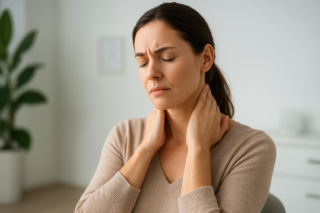
You wake up with a stiff neck, notice pressure near your temples, and feel soreness when you chew breakfast. It may seem like three separate problems, but the jaw and neck can influence each other. For some people, the combination of TMJ and neck pain reflects a temporomandibular disorder affecting the jaw joint, chewing muscles, or nearby tissues.
The temporomandibular joints, commonly called the TMJs, sit just in front of the ears and connect the lower jaw to the skull. “TMJ” technically names the joint, while “TMD” refers to the group of temporomandibular disorders that cause pain or impaired jaw function. Because the jaw, face, head, and neck have closely connected muscles and nerve pathways, discomfort that begins in one area may be felt in another.
How Can a Jaw Problem Lead to Neck Pain?
TMD symptoms can spread beyond the jaw. Several overlapping processes may help explain the connection between TMJ and neck pain.
Muscle tension can extend into the neck
Clenching the teeth or repeatedly tightening the jaw activates the muscles used for chewing. This may occur during concentration, emotional stress, physical effort, or sleep. When the jaw remains tense, nearby muscles in the face and neck may also become sore or fatigued. Some people notice tightness under the jaw, along the sides of the neck, or across the upper shoulders.
Pain may be referred from one area to another
Referred pain is discomfort felt somewhere other than its actual source. Nerve signals from the face, jaw, head, and upper neck interact within the nervous system. As a result, irritated jaw muscles or joints may be experienced partly as neck pain, while a cervical problem may sometimes contribute to facial or jaw symptoms.
Pain can change how you move
When opening the mouth hurts, a person may move the jaw differently, avoid turning the head fully, or hold the neck stiffly. Guarding the painful area may provide temporary protection, but prolonged muscle bracing can increase tension and reduce comfortable movement.
Research has found that people with TMD may have reduced neck movement, lower endurance in certain neck muscles, and greater self-reported neck disability. However, this association does not prove that every case of TMD causes neck pain. Neck discomfort can also come from muscle strain, arthritis, injury, nerve irritation, or another medical condition.
Signs That Your Jaw May Be Involved
Neck pain by itself does not establish that a TMJ problem is present. Jaw involvement may be more likely when neck tension occurs with one or more of the following:
- Pain or tenderness in the jaw joint or chewing muscles
- Facial aching, especially around the cheeks or temples
- Pain that increases with chewing, yawning, or prolonged talking
- Jaw stiffness or difficulty opening the mouth comfortably
- Painful clicking, popping, or grinding during jaw movement
- A jaw that catches or locks
- Morning jaw fatigue or evidence of nighttime tooth grinding
- Headaches occurring with facial or neck tension
- A change in how the upper and lower teeth seem to meet
Painless jaw clicking is common and generally does not require treatment when jaw movement remains normal. Clicking accompanied by pain, locking, or limited movement deserves more attention.
Why Symptoms May Flare During Everyday Life
TMJ and neck pain may be most noticeable after activities that place sustained demands on the jaw or neck. Examples include chewing gum, eating very tough foods, holding a phone between the shoulder and ear, or sitting in one position for long periods. Daytime clenching can also happen without a person realizing it, especially during driving, computer work, or stressful situations.
Poor sleep, ongoing pain, and emotional stress may increase muscle tension or make discomfort harder to manage. Stress is not the sole cause of TMD, however, and symptoms should not be dismissed as “just stress.” Jaw injuries, arthritis, disc problems within the joint, and other health conditions may also contribute. Likewise, research does not support blaming TMD routinely on a “bad bite” or previous orthodontic treatment.
For additional perspective on related structural concerns, read about facial and postural asymmetry, TMJ problems, and back pain.
What May Help Relieve Jaw and Neck Tension?
Many temporary jaw joint and muscle problems improve with conservative care. The appropriate approach depends on the cause, severity, and duration of the symptoms, so persistent problems should be evaluated rather than treated through guesswork.
- Rest the jaw. Temporarily choose softer foods and avoid gum, nail biting, wide yawning, and other activities that aggravate symptoms.
- Notice clenching. When the jaw is at rest, the teeth generally should not be pressed together. Periodic reminders can help interrupt daytime clenching.
- Use gentle heat or cold. A healthcare professional can help determine which option is appropriate and how to protect the skin.
- Change positions regularly. Take breaks from prolonged computer or phone use and avoid holding the head and neck rigidly.
- Support healthy sleep and relaxation. Relaxation techniques may reduce habitual muscle bracing and improve coping with pain.
- Ask about physical therapy. A physical therapist familiar with TMD can evaluate jaw movement, neck mobility, muscle endurance, and movement habits. Treatment may include education and carefully selected exercises or manual therapy.
Some people may be offered an oral splint or night guard, particularly when clenching or grinding is suspected. These devices do not help everyone and should be monitored by a qualified dentist. Stop using an appliance and contact the provider if it increases pain or changes the bite.
Experts generally recommend starting with reversible, conservative options. Procedures that permanently change the teeth, bite, or jaw joint should not be considered routine first-line care, and surgery is usually reserved for specific severe structural problems after simpler approaches have failed.
Could the Headaches Be Related?
TMD may occur with headaches, particularly when the chewing muscles and temples are tender. Neck muscle tension can also accompany certain headache patterns. Still, headaches have many possible causes, and new, severe, or changing symptoms should not automatically be attributed to the jaw. The National Library of Medicine provides an overview of headache causes, symptoms, and warning signs.
When to Seek Care
Arrange an evaluation if jaw or neck pain persists, keeps returning, disrupts sleep or meals, or limits your ability to open and close your mouth. A dentist or primary care clinician can begin the assessment and rule out dental, joint, neurologic, or other causes. Depending on the findings, care may also involve a physical therapist, an orofacial pain specialist, or an oral and maxillofacial specialist.
Seek prompt medical attention for a jaw that becomes locked, significant facial swelling, fever, severe pain after an injury, or trouble swallowing or breathing. Urgent evaluation is also appropriate for neck pain or headache accompanied by weakness, numbness, confusion, fainting, vision changes, a stiff neck with fever, or a sudden unusually severe headache.
TMJ and neck pain can be connected, but the relationship is not identical for everyone. A careful evaluation of both areas can identify aggravating factors, exclude unrelated conditions, and guide a conservative plan aimed at restoring comfortable jaw and neck function.
Other Articles You May Find of Interest...
- How TMJ Problems Can Cause Neck Pain and Tension
- Crowns and Bridges: A Complete Guide to Restoring Your Smile
- Dental Crown or Filling: How Do You Know Which One You Need?
- What to Ask Before Choosing Dental Implants Abroad: A Guide for UK Patients
- Can a Tooth Nerve Die? What Happens Inside the Tooth
- Noticing Sensitivity in Teeth? Investigate These 3 Potential Causes
- Why Parents Put Off Their Own Dental Care, and What Some Practices Are Changing



