Your Health Magazine Contributor
4201 Northview Drive
Suite 102
Bowie, MD 20716
More Physical Therapy Articles
Beyond the Exercise Sheet: What to Expect from Modern Physical Therapy
By a physical therapy industry contributor.
You’ve been there before. You leave an appointment with a standard, copied sheet of exercises. The clinic is busy, and the therapist splits their time between you and other patients. You do the exercises, but you don’t feel much progress. You start to wonder if this is the best way to get back to your active life. This happens a lot, but it is not the quality of care you should accept.
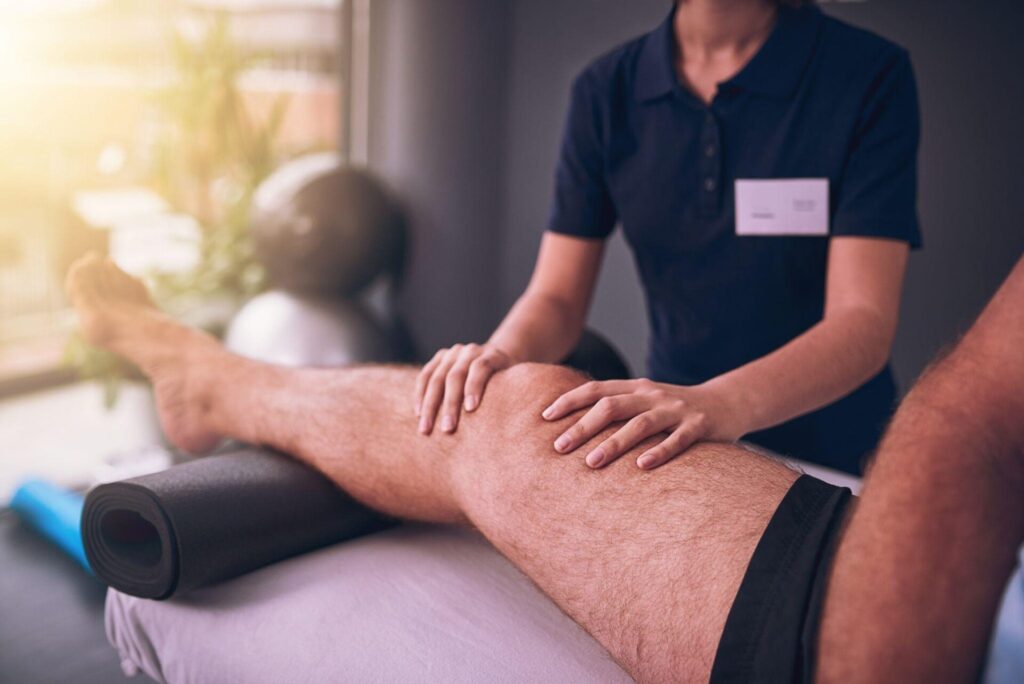
Physical therapy can be delivered through different care models, including one-on-one sessions and settings where therapists supervise more than one patient. Individualized assessment and treatment planning remain important regardless of the model. A licensed therapist works with you for the whole session. This method helps them understand your specific problem and create a recovery plan just for you. This change is a key trend in modern denver physical therapy. The goal is moving from just managing your symptoms to fixing the root cause of your pain.
Knowing what to look for can make a big difference in your recovery. When you understand the difference between a generic plan and one made for you, you can ask the right questions. This approach, supported by research on personalized recovery-oriented services <PubMed Central>, helps you find a partner in your recovery, not just a person who tells you what to do.
Quick answer: Good physical therapy today is all about personal, one-on-one care with a licensed professional. It uses proven methods to create a treatment plan that changes as you get better. The goal is to get you moving well again and give you the knowledge to avoid future injuries.
What’s inside
- What’s at Stake in Choosing a Physical Therapy Approach?
- How Can You Tell if a Clinic is Using a Modern, Evidence-Based Approach?
- Are Newer Techniques Like Dry Needling Actually Effective?
- Frequently Asked Questions About Physical Therapy
- Your Recovery Plan Should Evolve With You
What’s at Stake in Choosing a Physical Therapy Approach?
The right approach can influence how well treatment addresses a patient’s symptoms, function, and recovery goals. The wrong one can waste your time, money, and insurance benefits. Choosing a clinic isn’t just about what you prefer. It’s a choice with real effects on your body and your wallet that can shape your recovery for months or years.
The first cost is money. Many health insurance plans limit the number of physical therapy visits they cover each year. If your sessions are in a busy clinic with very little direct therapist attention, you could use up those benefits before you make real progress. This leaves you with a hard choice: stop therapy before you are healed or start paying for it all yourself. How much you get out of each visit matters a lot when your benefits are limited.
Besides the cost, there is the physical risk of a plan that doesn’t work or isn’t watched closely. When a therapist is dividing their attention, they might not see small mistakes in your form. They may not notice when an exercise is too much for you at your stage of healing. This can cause setbacks, new injuries, or lead to bad movement habits that create new problems later. A full recovery needs careful, step-by-step challenges, which are hard to manage from across a busy room.
❝ A good rule of thumb is to ask about your therapist’s caseload. If a provider often sees three or more patients per hour, it’s fair to ask how they make sure each person gets the focused attention needed to correct form and update the treatment plan during every visit.
Finally, think about the cost of your time and progress. A stalled recovery means more weeks or months away from your sport, your job, or just living without daily pain. The goal of therapy is to build forward momentum, where each session builds on the last. When progress stops because of a generic plan, it’s not just frustrating. It makes the whole recovery take longer and can hurt your long-term confidence in your body’s power to heal.
How Can You Tell if a Clinic is Using a Modern, Evidence-Based Approach?
You can spot a modern practice by its focus on clear measurements, a treatment plan that changes with you, and a strong focus on teaching patients. These things show a clinic is committed to a scientific approach. They are moving beyond just managing symptoms to fixing the root cause of your problem.
A full check-up at the start is the base for good care. This is much more than just asking about your pain on a scale of one to ten. A therapist should use clear, consistent measurements to see where you’re starting from. This might mean using a tool to measure how far your joints can move or doing specific functional tests to check your strength and stability. According to the American Physical Therapy Association, a full exam is a key first step. It includes tests and measures to figure out a diagnosis, outlook, and treatment plan. Without this data, it’s impossible to know if you are really getting better.
From there, the treatment plan should be a plan that changes as you do, not a fixed sheet of exercises. If you are doing the exact same routine with the same weights for weeks, that’s a sign your plan isn’t adapting to your progress. A modern approach involves a cycle of checking, treating, and checking again in each session. Your therapist should be actively looking for ways to make an exercise harder or change a technique based on how you are doing that day.
❝ Your treatment plan shouldn’t be a fixed document. Ask your therapist: “Based on what you see today, what’s one thing we might change or progress in our next session?” Their answer will show if they are adjusting the plan as you go.
Finally, a key part of good care is patient education. Your therapist should be able to clearly explain the “why” behind each exercise and hands-on technique. You should understand how a certain movement connects to your personal goals, whether that’s getting back to a sport or just being able to carry groceries without pain. This knowledge helps you take an active part in your recovery and helps you prevent the same injury from happening again long after your therapy has ended.
The table below shows some key differences you might see between care models.
| Feature | A High-Volume, Generic Model | A One-on-One, Personalized Model |
| Therapist Time | Split between 2 to 4+ patients at once. | 100% of the session is focused on you. |
| Treatment Plan | Often the same for a specific diagnosis. | Made for your specific needs and goals. |
| Progress Tracking | Mostly based on what you say about your pain. | Uses clear data (e.g., range of motion, strength). |
| Hands-On Care | Limited or done by an aide. | Done by the licensed therapist to help you recover. |
This difference is very important. When a licensed therapist uses manual therapy, skilled, hands-on techniques like joint mobilization or soft tissue work, it’s not just to make you feel comfortable. It is a specific treatment used to get you moving again. This then lets you do your exercises with better form and get more out of them.
Are Newer Techniques Like Dry Needling Actually Effective?
Dry needling may help some people with certain musculoskeletal pain conditions when performed by a properly trained professional. Evidence varies by condition, and it is generally considered one possible component of a broader physical therapy plan rather than a stand-alone solution. It works because of a direct response from your body, not by changing energy paths.
Dry needling targets tight knots in your muscles, called myofascial trigger points. These are basically small, sore knots in a tight muscle. You can often feel them as tender spots. A physical therapist will put a very thin, solid needle right into this trigger point. The goal is to cause a “local twitch response,” which is a muscle twitch you can’t control. This response is key. According to the American Physical Therapy Association (APTA), this process can help release muscle tension, improve flexibility, and decrease pain.
It is important to know this is different from acupuncture. While both use similar needles, their basic ideas are completely different. Acupuncture is from traditional Chinese medicine and focuses on fixing the flow of energy, or Qi. Dry needling is a modern, science-based treatment from Western medicine. The spots are chosen based on a physical exam of your muscles and nerves, not on traditional energy maps of the body.
❝ Ask a potential therapist how they use dry needling as part of a bigger treatment plan. The technique works best when it is used to release a trigger point and restore normal motion. This creates a chance to retrain the muscle with new exercises. It should be one part of a full plan, not the whole treatment.
The experience itself can feel strange. You often don’t feel the needle go in, but when the twitch happens, it can feel like a deep, short muscle cramp or ache. Afterward, the area might feel sore, like after a workout. Some patients notice short-term changes in pain or movement afterward, while others notice little or no immediate difference.
Frequently Asked Questions About Physical Therapy
Do you need a doctor’s referral for physical therapy in Colorado? No, in most cases you do not. Colorado is a “direct access” state. This means you can see a physical therapist for a check-up and treatment without a note from a doctor. Insurance requirements can differ even when state law allows direct access. Medicare outpatient physical therapy generally requires an established plan of care and applicable physician or nonphysician-practitioner involvement or certification for coverage, while private plans may have their own referral requirements. It is always a good idea to call your insurance company to check their specific policy before your first visit.
What is a major red flag to watch out for in a PT clinic? A big red flag is when a clinic doesn’t track your progress with clear measurements. If your sessions are just you talking about your pain level, and the therapist isn’t re-measuring your movement, strength, or ability to do tasks, your progress isn’t being managed well. Another warning sign is if your licensed therapist always passes off hands-on care and exercise help to an aide or technician.
What is the “8-minute rule” in physical therapy billing? The 8-minute rule is a guideline used by Medicare to decide how many “units” of a service can be billed to insurance. To bill for one unit, a therapist must provide at least 8 minutes of direct, one-on-one treatment. This is why clinics that offer dedicated one-on-one time can often provide more value in a session, as the whole time counts toward these billable services.
How should I evaluate a clinic’s specialization for my specific injury? Look for more than just a list of conditions on their website. Check the biographies of the physical therapists for special training they received after their main degree, such as an Orthopaedic Clinical Specialist (OCS) or Sports Clinical Specialist (SCS). These titles require hard tests and show a deep knowledge in a specific area. A clinic that is truly specialized will often have therapists with this type of advanced training.
Is it normal for physical therapy to cause pain? You should expect to feel challenged, but you should not feel sharp or worse pain. It is common to feel some muscle soreness after a session, like you would after a hard workout. But if an exercise or hands-on technique causes sharp, stabbing, or spreading pain, you should tell your therapist right away so they can change the treatment.
Your Recovery Plan Should Evolve With You
Choosing a physical therapist is a big decision that directly affects how fast you heal and your long-term results. The way physical therapy is done is changing. It is moving away from busy clinics where therapists split their attention. The new standard is focused, one-on-one treatment where your plan is a flexible tool, not a fixed checklist. This choice is less about the specific methods offered and more about the basic idea of how you are treated.
The most important thing to remember is to look for a partnership in your recovery, not just a service. A great therapist acts as a guide. They use clear measurements to track your progress and are always changing the plan as needed. They should be able to explain the “why” behind every exercise and hands-on technique. If your plan doesn’t change as you get stronger and can move better, it isn’t truly made for you. Your progress should guide the treatment, not the other way around.
In the end, good physical therapy helps you understand your own body and take an active part in your recovery. It is a team effort designed to build momentum and create lasting change, moving you beyond just managing pain. The goal is to get you moving well again and make you stronger, so you can return to your life with confidence.
About the author
Total Pt is a physical therapy practice with locations in East and West Denver. Its team of licensed therapists provides one-on-one, evidence-based care for people recovering from sports injuries, surgery, and long-term muscle and joint pain. Using personalized treatment plans that can include manual therapy, dry needling, and help with balance and dizziness, they focus on helping patients get back to full function and confidently return to their active lifestyles.
Other Articles You May Find of Interest...
- Beyond the Exercise Sheet: What to Expect from Modern Physical Therapy
- Shockwave Therapy
- Sports Rehabilitation: Recovering From Athletic Injuries and Getting Back in the Game
- Pelvic Floor Physiotherapy: Signs You May Benefit From Treatment
- The Muscles and Nerves Behind Scapular Winging
- Wrist Flexion Stretches for Desk-Stiff Hands
- Do You Need a Referral for Physical Therapy in New York?