






More Weight Control, Nutrition & Exercise Articles
Does Dry Brushing Do Anything for Weight Loss?
By Your Health Magazine Health Information Team
You finish dry brushing before a shower, notice that your skin looks smoother and slightly pink, and wonder: Is this actually helping me lose weight? Social media posts often suggest that brushing the skin can break down fat, drain toxins, reduce cellulite, or shrink problem areas. The short answer is no: Dry brushing has not been shown to produce meaningful weight loss or remove body fat. It may exfoliate the skin and provide a pleasant massage-like sensation, but those effects should not be confused with changes in body composition.
What Does Dry Brushing Actually Do?
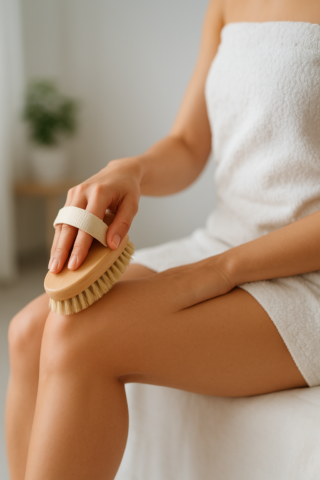
Dry brushing involves moving a dry, bristled brush over bare skin. Its clearest potential benefit is mechanical exfoliation. The bristles loosen and remove some dead cells from the skin’s surface, which may temporarily make rough or flaky areas feel smoother.
Friction from brushing can also cause short-lived redness, warmth, or mild plumping of the skin. These changes may make the skin look brighter or more even immediately afterward. Some people also find the routine relaxing or energizing. However, none of these effects means that fat cells have been removed or that the body has burned a meaningful number of calories.
Does Dry Brushing Help With Weight Loss?
There is no reliable evidence that dry brushing and weight loss are directly connected. Losing body fat requires the body to use more energy than it takes in over time. Dry brushing does not create a significant calorie deficit, raise energy expenditure enough to affect weight, or prevent the body from absorbing calories.
A brush also cannot reach or physically break apart the fat stored beneath the skin. Even vigorous brushing acts mainly on the outer skin surface. Pressing harder will not increase fat loss and may instead cause irritation, scratches, bruising, or bleeding.
If the number on the scale changes after starting a dry-brushing routine, another factor is likely responsible. Daily weight can fluctuate because of hydration, sodium intake, meals, bowel movements, hormones, medications, and other variables. A small, temporary change is not necessarily a change in body fat.
What About Cellulite and Lost Inches?
Cellulite creates a dimpled or uneven appearance, commonly on the thighs, hips, abdomen, or buttocks. It is influenced by the structure of connective tissue beneath the skin, along with genetics, hormones, skin thickness, age, and body composition. Cellulite is extremely common and is not a sign that a person is unhealthy.
Dry brushing may temporarily make cellulite look less noticeable because friction can increase surface redness and slightly plump the skin. Exfoliation may also make the skin feel smoother. Once these short-term effects fade, the dimpling generally returns. There is no good evidence that brushing permanently changes the connective bands responsible for cellulite.
Similarly, claims about losing inches through dry brushing should be viewed cautiously. Brushing does not selectively remove fat from the stomach, thighs, arms, or any other body part. Where the body stores and loses fat is largely affected by genetics and biology, and targeted fat loss cannot be achieved by stimulating the skin over one area.
Can Dry Brushing “Detox” the Body?
Another frequent claim is that dry brushing promotes lymphatic drainage and therefore removes toxins. The lymphatic system does help collect excess tissue fluid, transport immune cells, and return filtered fluid to the bloodstream. But there is not enough evidence to conclude that routine dry brushing improves this process in healthy people or leads to fat loss.
The body already has organs and systems that continuously process and eliminate waste. The kidneys filter the blood and create urine, while the liver processes many substances and produces bile. Sweating and bowel movements also remove certain waste products. Dead skin cells can be washed or exfoliated away, but brushing the skin does not pull stored toxins or fat out of the body.
Wellness traditions sometimes use broader language about cleansing. If you are exploring discussions of external methods of purification, it is helpful to distinguish personal wellness rituals from treatments proven to reduce body weight or manage a medical condition.
Is Dry Brushing Safe?
Dry brushing may be acceptable for many people when performed gently, but it is not suitable for every skin type. Excessive pressure or frequent brushing can damage the skin barrier and worsen dryness or irritation.
Do not brush over cuts, scrapes, rashes, sunburn, active infections, inflamed skin, or unexplained growths. People with eczema, psoriasis, very sensitive skin, or another ongoing skin condition should ask a dermatologist whether mechanical exfoliation is appropriate. Dry brushing should not be used as a home treatment for persistent swelling or lymphedema.
If you choose to dry brush for exfoliation or relaxation:
- Use a clean brush with bristles that do not scratch or hurt.
- Apply light pressure and use only a few passes over each area.
- Avoid the face and other especially delicate areas.
- Stop if you develop pain, lasting redness, swelling, or bleeding.
- Shower afterward if desired, then apply a fragrance-free moisturizer.
- Clean the brush regularly and do not share it with another person.
There is no medically proven brushing direction, duration, or schedule for weight loss. Brushing toward the heart, following a particular sequence, or extending the session will not turn it into a fat-loss treatment.
What Does Support Healthy Weight Loss?
Evidence-based weight management usually focuses on sustainable eating patterns, regular physical activity, adequate sleep, behavior changes, and attention to health conditions or medications that may affect weight. The best approach depends on a person’s health, preferences, access to food and exercise, and long-term goals.
Helpful starting points may include eating more fiber-rich and nutrient-dense foods, reducing calorie-dense drinks, planning satisfying meals, increasing everyday movement, and combining aerobic activity with muscle-strengthening exercise. The goal is not a temporary “detox,” but a routine that can be maintained without extreme restrictions.
For an overview of the factors that influence weight and established treatment options, review this evidence-based information about weight control. A primary care professional or registered dietitian can help determine whether weight loss is appropriate and create a plan that accounts for medical needs.
When to Seek Care
Contact a healthcare professional if dry brushing causes persistent redness, worsening pain, bleeding, warmth, swelling, drainage, or other possible signs of infection. A dermatologist can evaluate ongoing skin irritation, unexplained lesions, or concerns related to eczema, psoriasis, or cellulite.
Medical evaluation is also appropriate for rapid or unexplained weight changes, ongoing swelling, shortness of breath, severe fatigue, or difficulty managing weight despite consistent habits. A primary care professional can check for contributing conditions and refer you to a registered dietitian, obesity medicine specialist, endocrinologist, or certified lymphedema therapist when needed.
The Bottom Line
Dry brushing can be an optional skin-care ritual, but it is not a weight-loss method. It may remove surface skin cells and briefly change how the skin looks or feels, yet it does not burn fat, produce lasting cellulite reduction, or detoxify the body. If you enjoy it and your skin tolerates it, use gentle technique and realistic expectations while relying on proven, sustainable strategies for weight management.
Other Articles You May Find of Interest...
- Does Dry Brushing Do Anything for Weight Loss?
- Physical and Mental Wellness Benefits of Scuba Diving
- How Many Electrolytes You Need in a Day
- The Fitness Benefits of Adding E Bike Riding to Your Daily Routine
- Setting Realistic Expectations With Mounjaro: A Grounded Look for Singaporeans
- Ten Science-Backed Habits That Make Weight Loss Stick
- How to Spot Hidden Calories and Sodium in Fast Casual Mexican Food




