






More Vision & Eye Care Articles
Choosing The Right Surgeon For Double Eyelid Surgery And Epicanthoplasty In Melbourne

Facial rejuvenation and eyelid enhancement procedures have grown significantly in popularity across Victoria. For many individuals of East Asian descent, choosing to undergo double eyelid surgery in Melbourne is a deeply personal decision aimed at creating a natural-looking crease or defining the upper eyelid. This delicate procedure, often paired with epicanthoplasty to address the inner corner of the eye, requires a high level of surgical precision. Achieving a balanced, harmonious result that respects your natural heritage depends entirely on the skills of your chosen specialist. Selecting the right medical professional is the most critical step in your aesthetic journey, ensuring both your safety and your long-term satisfaction with the surgical outcome.
Understanding Double Eyelid Surgery and Epicanthoplasty
Before booking a consultation, patients should understand what these procedures involve and how they complement each other. Double eyelid surgery, medically known as Asian blepharoplasty, creates a visible crease in the upper eyelid where one did not previously exist or where the crease is faint or uneven. Surgeons generally perform this using either the incisional method, which offers permanent results and removes excess skin, or the non-incisional suture technique, which is less invasive and requires a shorter recovery period.
The Role of Epicanthoplasty
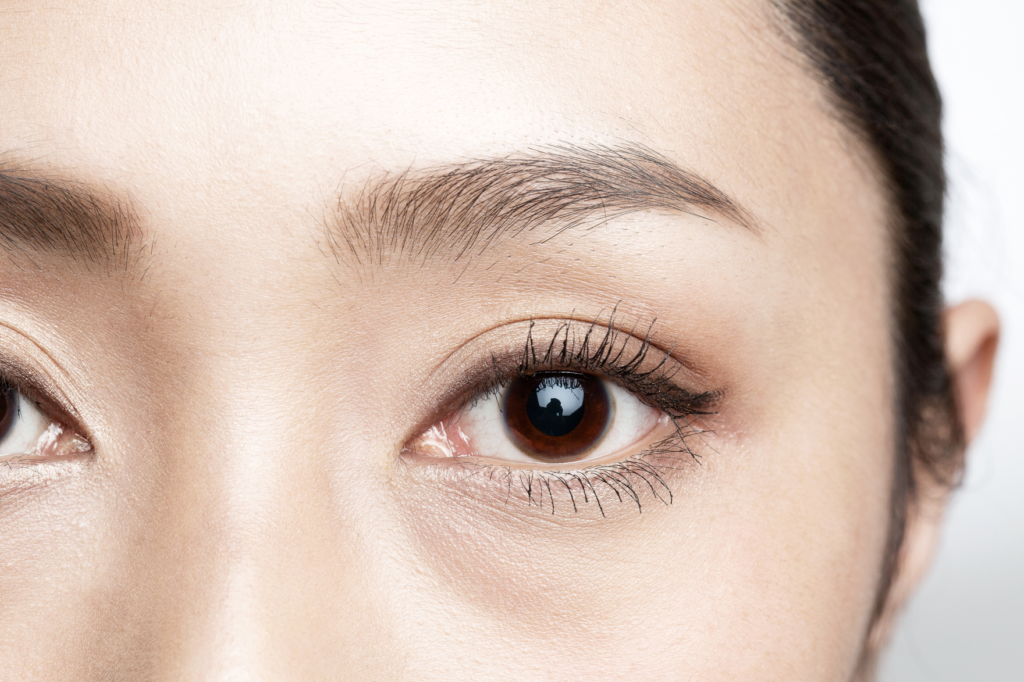
In many cases, patients choose to combine this procedure with an inner eye adjustment. This specialised surgical technique, known as epicanthoplasty, targets the epicanthal fold, which is the skin flap that covers the inner corner of the eye. By carefully releasing or reshaping this fold, a surgeon can reveal the inner eye, making the eyes appear larger, brighter, and more symmetrical.
Combining these two techniques requires an intimate understanding of facial anatomy. A skilled surgeon does not aim to Westernise the eyes, but rather to enhance their natural beauty while preserving the patient’s unique ethnic characteristics. Understanding these procedural differences allows you to have a much more informed discussion during your initial consultation, helping you set realistic expectations for your surgical journey.
Essential Qualifications to Look For in a Melbourne Surgeon
Selecting a qualified practitioner in Victoria requires careful vetting of their credentials and professional affiliations. In Australia, any medical practitioner performing invasive cosmetic procedures should hold specialist registration. You must verify that your prospective surgeon is a Fellow of the Royal Australasian College of Surgeons (FRACS). This qualification indicates that the practitioner has completed years of rigorous, accredited surgical training beyond their basic medical degree.
Verifying Specialist Training
Beyond general plastic surgery qualifications, you should look for a surgeon who has specific training and extensive experience in Asian blepharoplasty. Eyelid anatomy varies significantly across different ethnicities, and a standard blepharoplasty technique can lead to unnatural results on an Asian eyelid. Ask the practitioner about their specific training history, including any fellowships or advanced courses they completed overseas, particularly in countries where these procedures are highly refined.
You should also check the Australian Health Practitioner Regulation Agency (AHPRA) register to ensure your specialist has a clean registration record without active restrictions. Taking these regulatory steps protects your health and ensures that your double eyelid surgery in Melbourne is performed by a highly trained professional who adheres to the strictest safety standards.
Evaluating Before-and-After Portfolios
A surgeon’s past work is the most reliable indicator of their aesthetic style and technical capability. During your consultation, ask to view a comprehensive portfolio of previous patients who have undergone similar procedures. Pay close attention to patients who had similar pre-existing eye shapes to yours, as this gives the most accurate representation of what you can expect.
Assessing Symmetry and Scarring
When examining these photographs, look closely at the symmetry of the eyelid creases and the natural appearance of the inner eye corners. With this inner corner modification, the surgical scars are positioned near the nose, making meticulous suturing absolutely vital. High-quality results should show minimal, well-faded scarring that blends seamlessly into the natural contours of the skin.
Be wary of portfolios that look overly uniform or modified. Every face is different, and a skilled practitioner will customise their approach to suit the patient’s individual facial proportions. If every patient in the gallery has the exact same crease height or eye shape, it may indicate a template-based approach rather than a personalised surgical plan. Seek out a portfolio that demonstrates a diverse range of natural, balanced outcomes tailored to each individual’s unique features.
The Consultation Process and Customised Surgical Planning
The initial consultation is your opportunity to evaluate the practitioner’s communication style and clinical environment. A reputable surgeon will never rush you through this process or pressure you into making a decision. Instead, they will conduct a thorough physical examination of your eyelids, assessing skin elasticity, fat distribution, and the strength of your levator muscle.
Discussing Personalised Techniques
During this meeting, the specialist should explain whether an incisional or suture method is best for your specific anatomy. They should also discuss whether modifying the inner fold is necessary to achieve your desired look, explaining how changing this area will affect the overall balance of your face.
A transparent practitioner will openly discuss the potential risks and complications associated with the procedures, such as asymmetry, scarring, dry eyes, or temporary swelling. They should provide clear instructions on pre-operative preparation and post-operative care, ensuring you feel fully supported throughout your recovery. Use this time to ask detailed questions about the surgical facility, the type of anaesthesia used, and the follow-up schedule. A surgeon who prioritises patient education and honest communication is far more likely to deliver a safe, satisfying, and stress-free surgical experience.
Post-Operative Care and Ensuring a Smooth Recovery
Achieving the best possible outcome from your surgery depends heavily on how well you follow your post-operative care instructions. The healing phase requires patience, as swelling and bruising are completely normal parts of the recovery process. Most patients experience the peak of their swelling within the first three days, after which it gradually subsides over several weeks.
Managing the Healing Phase
Your surgeon will provide a detailed recovery protocol, which typically includes using cold compresses to minimise swelling, keeping your head elevated while sleeping, and applying prescribed antibiotic ointments to the incision sites. It is crucial to avoid rubbing your eyes or wearing eye makeup during the initial healing stages, as this can disrupt the delicate sutures and introduce harmful bacteria.
Regular follow-up appointments allow your specialist to monitor your progress, remove any non-dissolvable stitches, and address any concerns you might have. Protecting your healing skin from sun exposure by wearing sunglasses and applying gentle sunscreen is also essential to prevent hyperpigmentation along the incision lines. By strictly adhering to these guidelines and choosing a supportive clinic, you can ensure a smooth recovery and enjoy the beautiful, long-lasting benefits of your procedure.
Conclusion
Undergoing double eyelid surgery in Melbourne, whether on its own or combined with an epicanthoplasty, is a life-changing decision that can significantly boost your confidence. Achieving the most natural and safe results requires thorough research and a commitment to finding a highly qualified, experienced specialist. By prioritising surgeons with formal FRACS credentials, evaluating comprehensive before-and-after portfolios, and ensuring open communication during your consultation, you can make an informed choice. Take your time to find a practitioner who understands your aesthetic goals and respects your unique facial anatomy, paving the way for a successful surgical journey and beautiful, harmonious results.
Other Articles You May Find of Interest...
- Eyelashes Growing Every Which Way: Causes and Fixes
- Andrew Ting Explains How AI-Powered Retina Scans Can Support Earlier Detection
- Battling With Eye Strain? 5 Signs You Should Get an Eye Exam Quickly
- Can Cataracts Get Worse If You Wait Too Long for Surgery?
- Is Zinc Good for Your Eyes? The AREDS Evidence
- Is Contact Solution the Same as Saline?
- Castor Oil for Eyes: What You Should Know Before Trying It




