More Hair Care Articles
Choosing Between FUT And FUE Hair Transplant In Raleigh, NC

Hair loss can deeply impact your self-esteem, but modern medical advancements offer highly effective solutions to restore your hairline. If you are researching hair restoration options, you have likely encountered two primary surgical methods: Follicular Unit Transplantation and Follicular Unit Extraction. Selecting a FUT hair transplant in Raleigh, NC provides a time-tested path to dense hair coverage, while other patients prefer alternative modern approaches. Understanding the technical differences, recovery timelines, and aesthetic outcomes of each method is crucial before scheduling your consultation. This guide breaks down the essential factors to help you make an informed decision for your hair restoration journey.
Understanding the FUT Method
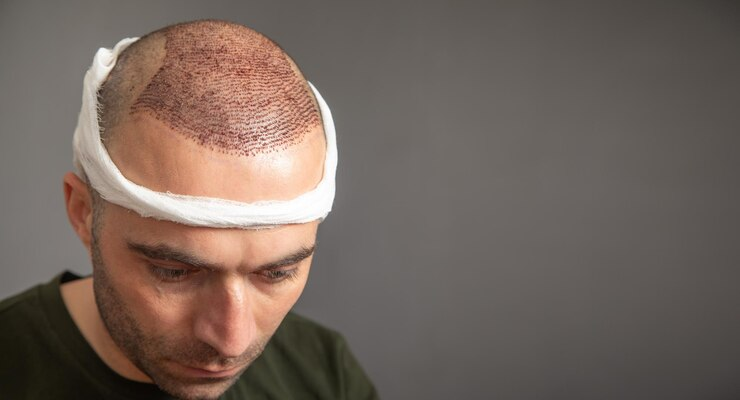
Follicular Unit Transplantation, commonly referred to as the strip method, is a classic technique that remains highly popular due to its efficiency and excellent graft survival rates. During this procedure, a qualified surgeon removes a thin strip of healthy, hair-bearing scalp from the donor area, typically the back or sides of the head. The surgical team then uses high-powered microscopes to dissect this strip into individual follicular units containing one to four hairs. Once prepared, the surgeon places these grafts into the thinning or balding areas of the scalp.
One of the primary advantages of this approach is the ability to harvest a large volume of grafts in a single session. This makes it an ideal option for individuals experiencing advanced hair loss who require maximum coverage. Because the hair follicles are extracted from the mid-portion of the donor strip, they remain highly stable and intact, leading to excellent transplant viability. While the procedure does leave a linear scar at the extraction site, skilled surgeons use advanced trichophytic closure techniques to minimize its visibility, allowing surrounding hair to grow directly through the scar and conceal it effectively. Additionally, this method usually requires less prep time on the day of surgery compared to individual extraction techniques, making the overall process highly streamlined for the patient.
Demystifying the FUE Technique
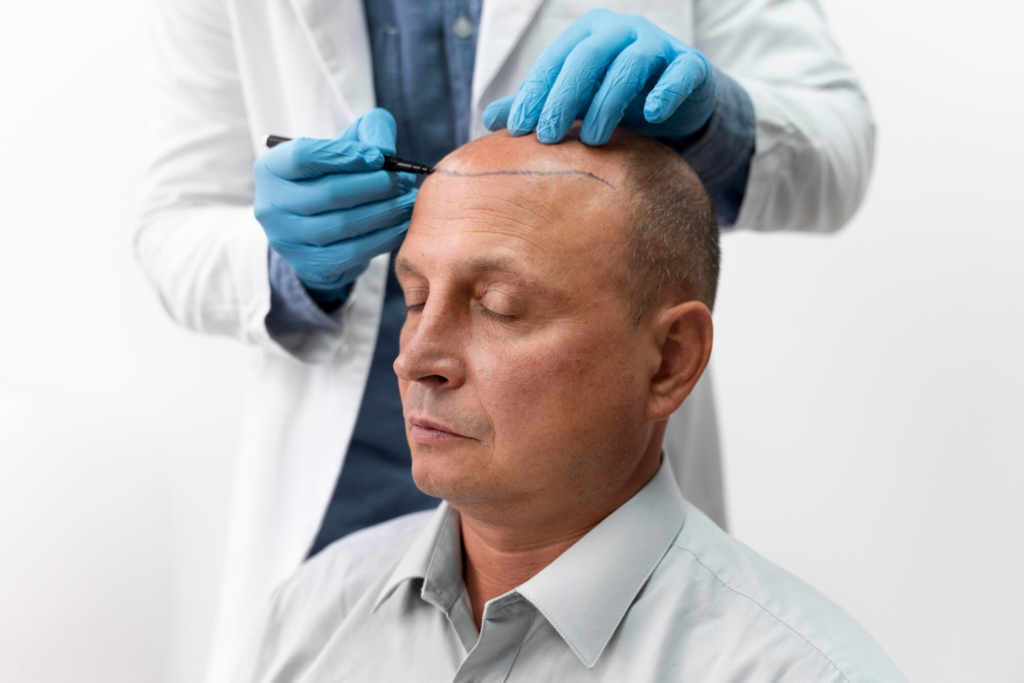
In contrast to the strip method, a FUE hair transplant involves harvesting individual hair follicles directly from the donor area one by one. Surgeons utilize a specialized micro-punch tool, measuring less than a millimeter in diameter, to make tiny circular incisions around each follicular unit before extracting it. These individual grafts are then meticulously implanted into the recipient sites to create a natural-looking hairline.
The most significant appeal of this technique is the absence of a linear scar. Instead, patients are left with tiny, dot-like scars scattered across the donor area, which are virtually invisible even with very short haircuts. This makes the procedure highly desirable for individuals who prefer to keep their hair cropped close to the scalp. Furthermore, because the extraction process is less invasive than removing a strip of tissue, post-operative discomfort is generally minimal, and the healing process is significantly faster. Patients can often return to their normal exercise routines and daily activities within a week of the procedure, making it a highly convenient option for those with busy schedules who want to minimize downtime. This precise extraction method also allows the surgeon to select specific types of hair follicles, such as finer hairs for the very front of the hairline, ensuring an incredibly soft and natural transition.
Comparing Recovery and Scarring Profiles
The choice between these two advanced techniques often comes down to personal preferences regarding scarring and recovery. When opting for a FUT hair transplant in Raleigh, NC, patients must plan for a slightly longer healing period. The donor area requires sutures or staples, which remain in place for about ten to fourteen days. During this initial healing phase, patients must avoid strenuous physical activities that could stretch the healing incision. The resulting linear scar is easily hidden by surrounding hair, but it may restrict you from wearing extremely short fades or buzzed hairstyles in the future.
Conversely, choosing an FUE hair transplant offers a much more flexible recovery timeline. Since there are no scalpel incisions or sutures, the tiny puncture wounds in the donor zone typically heal within three to five days. The risk of post-operative complications, such as prolonged numbness or severe tension in the scalp, is extremely low. This rapid healing cycle appeals to athletes and individuals with physically demanding jobs. Ultimately, if your preferred hairstyle involves keeping the back and sides of your head closely shaved, the individual extraction method is the superior choice to prevent any visible signs of surgery.
Graft Yield, Session Efficiency, and Cost Factors
Beyond scarring, practical considerations like budget and the total number of grafts needed play a major role in your decision. The strip method typically offers a higher yield of usable hair follicles because the extraction process preserves the protective tissue around each graft. This makes it a highly cost-effective solution for patients requiring extensive restoration, as surgeons can transplant thousands of grafts in a single day. Consequently, the overall cost per graft is often lower with this traditional method.
On the flip side, performing an FUE hair transplant is a highly labor-intensive process that demands immense precision and time from the surgical team. Because each follicle is harvested individually, large sessions may need to be split over two consecutive days, or require multiple appointments. This intensive labor naturally translates to a higher overall cost for the procedure. However, for patients who only need minor hairline refinement or temple filling, the higher cost is often justified by the quick recovery and lack of visible scarring. Discussing your budget and the degree of your hair loss with an experienced specialist will help determine which method aligns best with your long-term goals.
Final Thoughts
Choosing the right hair restoration method depends on your personal lifestyle, budget, and aesthetic goals. Both surgical options offer highly successful, permanent results that can dramatically restore your confidence. If you require maximum hair density and do not mind a linear scar hidden by longer hair, a FUT hair transplant in Raleigh, NC is an exceptional and cost-effective choice. However, if you prefer a faster recovery and want the freedom to wear short hairstyles, the individual extraction method is likely your best path forward. Scheduling a comprehensive evaluation with a board-certified hair restoration surgeon is the most reliable way to analyze your donor hair availability and create a personalized treatment plan.
Other Articles You May Find of Interest...
- How Long Does Rosemary Oil Take to Grow Hair?
- How Alopecia Areata, Totalis, and Universalis Differ in Progression and Unpredictability
- Is a Hair Transplant Worth the Cost? What to Consider First
- Why Leg Hair Can Grow Curly, Kinked, or Suddenly Different
- A Widening Part: The First Sign of Thinning Hair
- No-Shave FUE: A Less Invasive Approach To Hair Transplant Surgery
- What to Look for in a Transparent, Doctor-Led Hair Transplant Clinic