More Physical Therapy Articles
Exploring the Metacarpophalangeal Joints and Their Importance in Hand Function
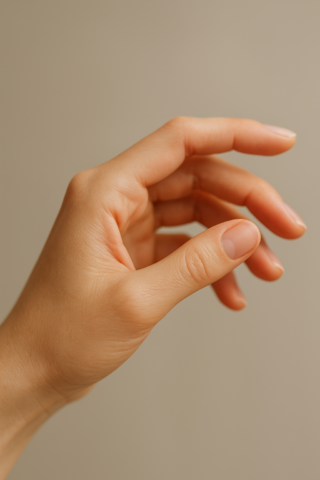
You’ve likely experienced the essential function of your fingers when typing on a keyboard or gripping a cup. However, when discomfort or restriction appears in your knuckles, it’s natural to wonder, “What is metacarpophalangeal?” These crucial joints in each hand play a significant role in our daily lives and function.
What Is Metacarpophalangeal?
Metacarpophalangeal joints are the connections between the bones of the hand (metacarpals) and the first bones of the fingers (phalanges). These joints allow an extensive range of motion, including flexion, extension, abduction, and adduction. The movement is essential for delicate tasks like buttoning a shirt and firm grips needed to hold heavy objects.
The Importance of Metacarpophalangeal Joints
The metacarpal phalangeal joints are central to hand dexterity and strength. Without them functioning properly, everything from playing an instrument to twisting a doorknob can become challenging or even impossible. In addition to basic movements, these joints absorb stress and distribute it during intensive manual tasks, preventing injury in adjacent areas.
Common Conditions Affecting Metacarpophalangeal Joints
Several conditions can affect these joints, leading to pain, stiffness, and reduced mobility. Arthritis is a well-known culprit, causing inflammation that can severely impact joint function. Another condition, trigger finger, causes the finger to lock or catch when bent. Lastly, injuries such as dislocations or fractures can significantly impair the joints.
When to Seek Care
If you experience persistent pain, swelling, or restricted movement in your fingers, it may be time to consult a healthcare provider. Orthopedic specialists or rheumatologists can diagnose and treat conditions affecting these joints. Early intervention can prevent further damage and improve hand function.
Day-to-Day Management of Joint Health
Home care for metacarpophalangeal joint conditions might involve rest, ice, compression, and elevation—commonly known as RICE. Engaging in exercises that improve flexibility and strength may also be beneficial, but it’s crucial to proceed gently.
Lifestyle and Joint Health
Incorporating healthy habits can profoundly impact joint health. This includes maintaining a balanced diet rich in omega-3 fatty acids and antioxidants, which may help support joint health. Maintaining an active lifestyle with regular exercise can keep joints flexible and strong. For more insights on how your lifestyle choices impact overall health, see this article.
Medication Considerations
Medications, such as non-steroidal anti-inflammatory drugs (NSAIDs), may be prescribed to alleviate pain and inflammation. If you are transitioning between medications, it’s important to let your healthcare provider guide those changes, as abrupt transitions can cause complications. Be aware that side effects or interactions may occur, and consult your provider if symptoms change or new issues arise.
External Resources and Continuing Education
For further information on joint health and related conditions, visit reliable resources like MedlinePlus Health Topics. These resources provide comprehensive insights into health conditions, treatments, and management strategies.
In conclusion, understanding what is metacarpophalangeal highlights its crucial role in hand function and daily activities. Monitoring these joints’ health and seeking appropriate care when needed ensures maintaining this pivotal hand movement and dexterity.
- Metacarpophalangeal joints are where hand bones meet finger bones.
- They are essential for fine motor skills and gripping actions.
- Conditions affecting these joints include arthritis and trigger finger.
- Healthy lifestyle choices can support joint health.
- Consult healthcare providers for persistent joint issues.
Common Questions
When should I see a doctor about joint pain?
If you experience continuous discomfort, swelling, or movement restriction in your fingers that doesn’t improve with rest, it’s advisable to consult a healthcare provider for a thorough evaluation.
What type of provider treats joint problems in fingers?
Orthopedic specialists, rheumatologists, or sometimes general practitioners can assess and treat conditions related to the metacarpophalangeal joints.
What are common causes of joint pain in the fingers?
Arthritis, injuries, and conditions like trigger finger or carpal tunnel syndrome commonly cause joint pain in the fingers.
Can lifestyle changes impact the health of my joints?
Yes, maintaining a balanced diet, staying active, and avoiding repetitive strain can support joint health and overall well-being.
What questions should I ask my doctor about joint health?
You may want to inquire about specific exercises, suitable medications, potential side effects, and other lifestyle adjustments to support your joint health positively.
Other Articles You May Find of Interest...
- Shockwave Therapy
- Sports Rehabilitation: Recovering From Athletic Injuries and Getting Back in the Game
- Pelvic Floor Physiotherapy: Signs You May Benefit From Treatment
- The Muscles and Nerves Behind Scapular Winging
- Wrist Flexion Stretches for Desk-Stiff Hands
- Do You Need a Referral for Physical Therapy in New York?
- That Pop When Scar Tissue Breaks: Good Sign or Bad?