More Weight Control, Nutrition & Exercise Articles
Maca Root for Women: Benefits, Uses, and Safety
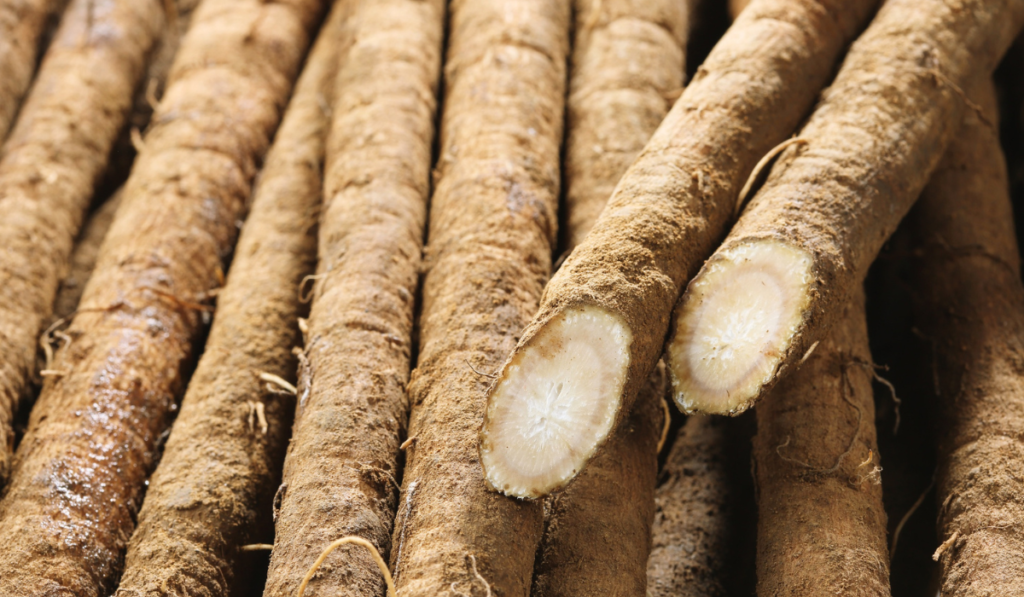
Maca root has become a popular natural supplement for women interested in energy, mood, libido, hormonal wellness, and menopause support. It is often called a “superfood,” but the truth is more balanced. Maca may offer benefits for some women, but it is not a miracle cure or a guaranteed hormone fixer.
Maca is a plant from Peru and is related to the cabbage family. It has traditionally been used as both food and medicine, and today it is commonly sold as powder, capsules, tablets, and extracts. Memorial Sloan Kettering Cancer Center notes that maca is used for energy, fertility, libido, and menopause symptoms, but many claims still need stronger human research.
What Is Maca Root?
Maca root, also known as Lepidium meyenii, grows in the Andes mountains of Peru. The edible root is usually dried and turned into powder. It has an earthy, nutty, slightly malty taste, which is why many people add it to smoothies, coffee, oatmeal, protein shakes, or healthy desserts.
Unlike hormone replacement therapy or prescription medication, maca does not simply “add hormones” to the body. Some researchers believe it may influence the body’s stress response, mood, and sexual function through plant compounds, but the exact mechanism is still not fully understood.
Why Do Women Use Maca?
Many women use maca root because they are looking for natural support during stressful seasons, low-energy phases, hormonal changes, or libido changes. It is especially popular among women interested in paleo nutrition, adaptogens, and root-cause wellness.
However, it is important to separate traditional use from proven results. Traditional use can be valuable, but modern health advice should also consider clinical evidence, safety, and individual health history.
Possible Benefits of Maca Root for Women
1. May Support Libido
One of the most common reasons women try maca is low libido. Some small studies suggest maca may help improve sexual desire or sexual function, especially in people dealing with antidepressant-related sexual side effects. A double-blind placebo-controlled trial found maca was well tolerated and may help postmenopausal women with SSRI-related sexual dysfunction.
Still, the evidence is limited. A systematic review found only a small number of randomized trials, and while some showed positive results, the authors concluded that more rigorous research is needed.
2. May Help Menopause Symptoms
Some women use maca during perimenopause or menopause for hot flashes, mood changes, fatigue, and low sexual desire. Early research suggests possible benefits, but the studies are generally small.
This means maca may be worth discussing with a doctor if you want natural menopause support, but it should not replace medical care, hormone evaluation, or treatment for severe symptoms.
3. May Support Mood and Stress Response
Maca is often described as an adaptogen, meaning it may help the body respond better to stress. While “adaptogen” is a wellness term and not a medical diagnosis, many women report feeling more stable, energized, or emotionally balanced when using maca.
Some research suggests maca may affect mood and psychological symptoms in postmenopausal women, but results are not strong enough to guarantee the same effect for everyone. Memorial Sloan Kettering notes that human trials are still few and systematic reviews have judged the evidence for sexual dysfunction and menopausal symptoms as limited.
4. May Provide Nutritional Value
Maca root contains plant compounds and nutrients, including carbohydrates, fiber, minerals, and bioactive compounds. It is not usually eaten in large enough amounts to replace a healthy diet, but it can be part of a nutrient-dense routine.
For women, the bigger picture still matters more: enough protein, healthy fats, stable blood sugar, sleep, stress management, movement, and medical care when needed.
How To Use Maca Root
Maca powder is usually mixed into foods or drinks. Follow the serving directions on the product label unless your healthcare provider advises otherwise. There is no single serving amount that is appropriate for everyone.
Maca works best when used consistently and carefully. It is not something most people feel instantly. Some women may notice changes in energy or mood within a few weeks, while others may feel no difference.
You can add maca to:
Smoothies
Coffee or lattes
Hot chocolate
Oatmeal
Protein shakes
Energy balls
Healthy baked goods
Because maca has a strong earthy flavor, it pairs well with cacao, cinnamon, vanilla, almond butter, banana, and dates.
Who Should Be Careful With Maca?
Maca is generally considered well tolerated, but it is not right for everyone. Memorial Sloan Kettering advises people with hormone-sensitive cancers, such as breast or uterine cancer, to speak with a healthcare provider because maca may affect treatment. It also advises pregnant or breastfeeding people to consult a provider because maca may not be safe for them.
You should also ask a doctor before using maca if you have thyroid disease, PCOS, endometriosis, fibroids, irregular bleeding, high blood pressure, or if you take hormone therapy or psychiatric medication.
Stop using maca and seek medical advice if you notice unusual symptoms such as mood changes, insomnia, digestive upset, cycle changes, headaches, or abnormal bleeding.
Is Maca Root Worth Trying?
Maca root may be helpful for some women, especially those looking for gentle support with energy, libido, mood, or menopause-related changes. However, the science is still developing, and the strongest claims around “hormone balancing” are often overstated.
The best approach is to view maca as a possible support tool, not a solution by itself. If your symptoms are caused by thyroid disease, low iron, PCOS, chronic stress, poor sleep, medication side effects, or perimenopause, maca alone may not address the root cause.
Final Thoughts
Maca root has a long history of use and may offer benefits for women’s wellness, libido, energy, and mood. However, the research is still limited, and results can vary from person to person.
If you are curious about maca, start small, choose a high-quality product, and pay attention to how your body responds. Most importantly, do not use maca as a replacement for medical guidance if you are dealing with serious hormonal symptoms, fertility concerns, menopause symptoms, or ongoing fatigue.
Overall, maca root may be a useful addition to a healthy lifestyle, but it works best when paired with balanced nutrition, stress support, sleep, and personalized medical advice.
Other Articles You May Find of Interest...
- When to Take Magnesium Glycinate: Timing Tips for Optimal Benefits
- Maca Root for Women: Benefits, Uses, and Safety
- Semaglutide and the Bigger Picture of Sustainable Weight Management
- The Hidden Dangers of Being “Skinny Fat” and Why You Need a DEXA Scan
- Exploring the Nutritional Benefits of Blue Cheese
- How Healthy Habits Create Sustainable Weight Loss
- Why Muscle Strength Matters More Than Most People Realise