






More Pain Management & Rehabilitation Articles
The Multi-Disciplinary Approach to Daily Pain Care
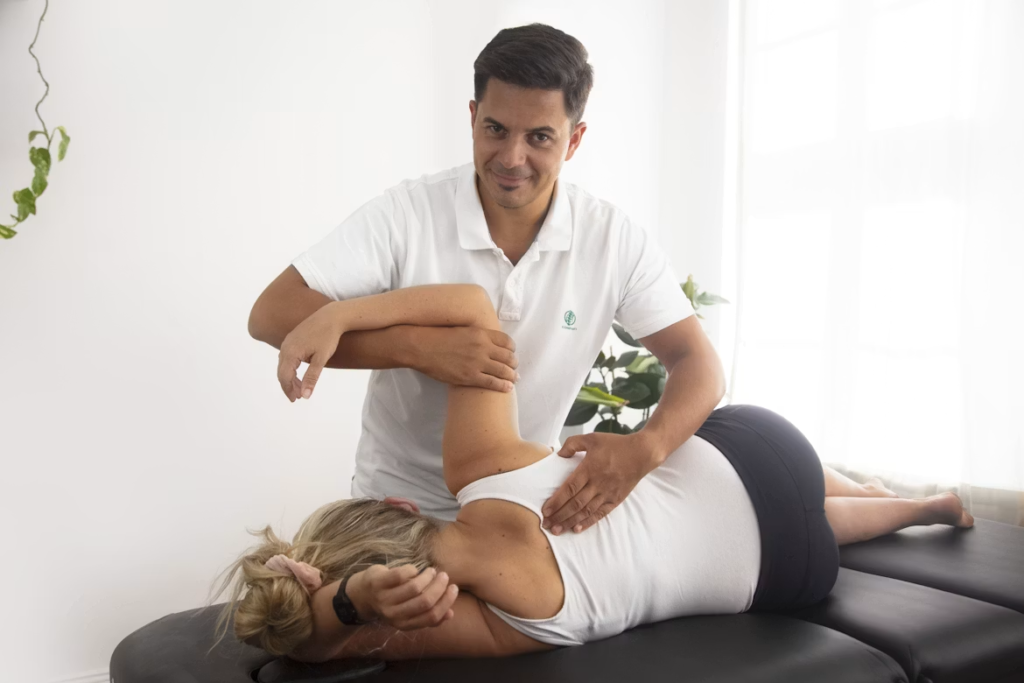
Living with constant physical discomfort changes how you look at every daily task. Simple movements turn into major challenges when your body refuses to cooperate. Many individuals try a single fix, hoping a single pill or exercise solves everything.
True relief requires looking at the bigger picture. Combining different medical strategies offers a steady path toward long-term wellness. You can regain control of your schedule by exploring how different therapies interact to support your recovery.
Finding Help at a Specialized Clinic
Chronic discomfort limits your daily movements and lowers your mood. Finding the right medical facility changes your path toward recovery.
Medical experts agree that a dedicated facility offers the best setting for recovery. Seeking guidance at the Medway Pain Center or a similar trusted clinic helps individuals pinpoint the exact triggers of physical discomfort. This targeted tracking allows medical teams to build custom routines.
Patients discover new ways to manage symptoms without feeling isolated. When you visit a team that focuses entirely on recovery, you receive personalized attention. This localized attention means your care plan shifts as your body heals.
You avoid the generic advice found in standard medical settings. Practitioners track your daily pain spikes to adjust your physical exercises. This provides a dynamic safety net for your joints.
Combining Medical and Psychosocial Methods
Managing long-term suffering requires more than treating physical tissue. A publication from a federal medical database indicates that combining medical treatment with complex psychosocial care provides better relief than any isolated therapy. This means your mental state affects your physical recovery. Discomfort shifts how your brain processes signals, creating a cycle of stress.
Addressing both the physical injury and the emotional stress breaks this negative cycle. Doctors work with counselors to lower anxiety levels. This cooperative system helps patients process their symptoms without feeling overwhelmed by fear.
Chronic stress alters your hormone levels, making your body more sensitive to minor physical changes. Mindful breathing practices help soothe these overactive nerve responses.
Grouping Different Medical Specialists
A single doctor cannot possess every piece of knowledge needed for complex rehabilitation. A physical therapy journal recently highlighted how chronic suffering demands an approach that combines interventional medicine, physical therapy, rheumatology, and psychiatry. This network allows different departments to coordinate your treatments.
Regular consultations between these specialists eliminate conflicting medical advice. Patients save valuable time by avoiding redundant diagnostic tests.
Coordinated Care Elements
Teams often organize their efforts around specific targets:
- Medical providers manage immediate physical prescriptions to reduce swelling.
- Physical therapists guide body movements to restore the range of motion.
- Specialists track joint health and nerve pathways to prevent future injury.
- Counselors provide coping mechanisms to handle daily mental stress.
This structured framework keeps your entire medical team aligned on your personal goals.
Achieving Superior Functional Results
Patients frequently report higher satisfaction when their care teams communicate. A regional medical group published findings showing that integrated, team-based care leads to lower discomfort scores and better daily physical function. You experience fewer setbacks when everyone works together.
Instead of driving across town for separate appointments, you follow a unified blueprint. Your physical progress matches your medical timeline perfectly. This harmony gives you a clear vision of your recovery path.
Shared clinical charts allow your chiropractor to see exactly what your physician prescribed this morning. This instant communication protects you from therapeutic contradictions.
Tailored Options for Nerve Discomfort
Nerve issues present unique challenges that standard treatments fail to resolve. An article by a specialized recovery clinic notes that proactive, multi-department care delivers superior results for individuals dealing with intense nerve pain. Burning sensations require precise tracking to prevent long-term damage.
Neurological pathways respond best when therapies target both the spine and muscle groups. Specialists monitor how your nerves react to small adjustments. This careful observation shields you from unnecessary surgeries or invasive methods.
Patients suffering from sciatica find immense relief when posture correction is combined with targeted nerve blocks. Targeted therapies calm the localized inflammation before permanent structural damage occurs.
Moving Past Temporary Symptom Relief
Masking symptoms with temporary fixes never solves the root problem. A modern treatment network shared data showing that collaborative models provide well-rounded plans that look past short-term relief to target long-term recovery. True healing means restoring your independence.
Relying on quick patches only delays true rehabilitation and irritates underlying tissues. Sustained effort yields much better outcomes than chasing rapid, temporary modifications.
Long Term Milestones
Dedicated programs focus on specific markers of progress:
- Restoring sleep cycles by minimizing nighttime physical disruptions.
- Increasing muscle strength to support vulnerable spinal joints.
- Reducing reliance on temporary chemical interventions for daily comfort.
- Rebuilding confidence during intense physical activities outside the clinic.
Focusing on these milestones prepares your body for sustainable wellness.
Strengthening Personal Self-Management
Education plays a major role in keeping discomfort from returning. A chronic care program report noted that working with multiple specialists encourages patient education and independent self-management strategies. You learn to identify personal warning signs before they become severe.
This education empowers you to take charge of your wellness journey. You become an active participant instead of a passive patient. Understanding your body changes how you face daily challenges.
Learning proper lifting mechanics protects your lower back during standard household chores. Home exercises maintain the progress achieved during clinical sessions.
Early Intervention and Shared Team Expertise
Timing matters when you begin a rehabilitation plan. A European health journal showed that early, simultaneous care addressing social, mental, and physical traits reduces pain perception and saves societal costs. Addressing issues early stops them from worsening. Delayed action often causes muscles to weaken, extending your total recovery window significantly.
A sports medicine website explained that team collaboration allows professionals to share deep expertise to deliver evidence-based care. This collective knowledge shields you from outdated practices. Your treatment plan stays modern and efficient. Combining diverse clinical insights leads to safer therapeutic decisions.

Embracing a comprehensive approach to physical wellness gives you the tools to reclaim your life. You no longer have to navigate complex medical decisions completely alone. A combined team of experts provides a clear roadmap tailored to your specific needs.
This unified strategy shifts the focus from simple survival to genuine daily enjoyment. Take the first step toward lasting comfort by looking at your health through a broader lens. Your body deserves a complete care plan that supports every aspect of your well-being.
Other Articles You May Find of Interest...
- Collarbone Surgery Recovery Time: What to Expect
- Why Joint Pain Often Feels Worse at Night
- Knee Pain With No Clear Cause? Your Joint May Remember an Old Injury
- Which Doctor Should You See for a Pinched Nerve in the Arm?
- 3-Level Cervical Fusion Recovery Time: What to Expect Month by Month
- Stem Cell Therapy Doctors for Knee Arthritis in Los Angeles: What to Look For
- Spinal Adjustments vs. Pain Medication: A Long-Term Thinking Guide for Chronic Back Pain Sufferers





