More Health Industry Insights Articles
The Injectable Renaissance: Inside the Multi-Billion Dollar Boom of Dermal Fillers, Mesotherapy, and New Age Peptides
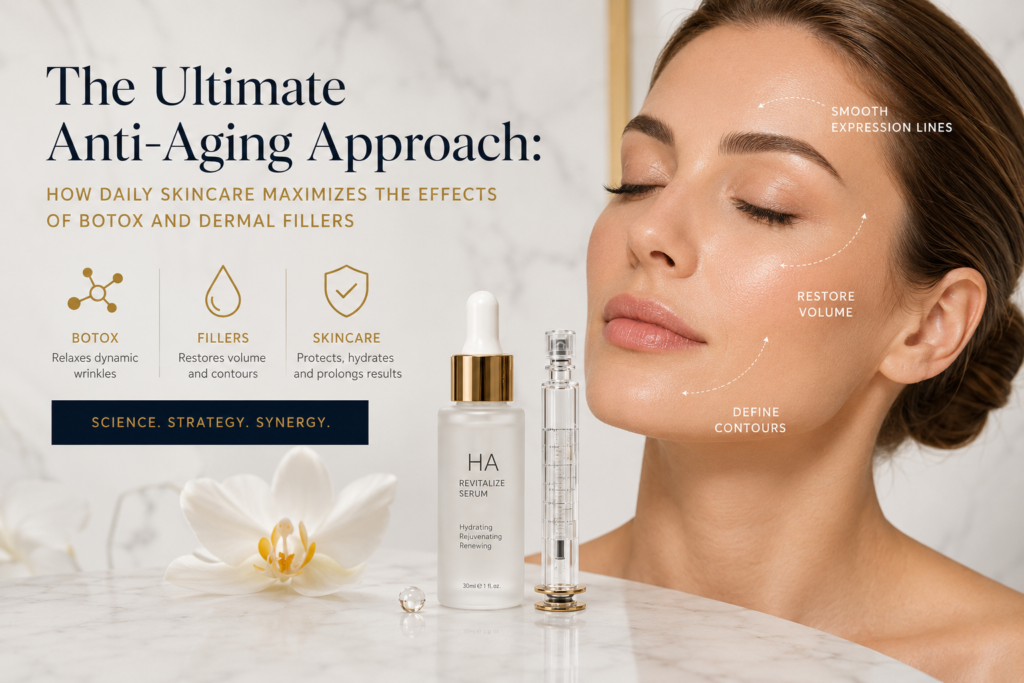
Some might say the traditional facelift is dying. For decades, the ultimate symbol of anti-aging luxury was the surgical operating room—scalpels, anesthesia, and weeks of painful recovery. Today, that entire model feels outdated. The modern world has entered a fast-paced “Injectable Renaissance.” High-tech, non-surgical treatments have taken over the mainstream market, turning age-management from a rare surgical crisis into a seamless, everyday lifestyle routine.
But this massive cultural boom has triggered a silent earthquake behind the scenes of luxury clinics. As public demand for quick, liquid youth transformations hits historic highs, medical professionals and aesthetic entrepreneurs are facing a harsh business reality. Running a successful clinic today is no longer just about clinical skill or an artistic eye. Owners are trapped in a tight squeeze caused by rising inflation, fierce local competition, and a highly chaotic wholesale market. For these modern business owners, the ultimate battle is happening in the stockroom: how to manage high-value inventory, guarantee absolute product authenticity, and protect shrinking profit margins in a brutal B2B marketplace.
1. The Modern Beauty Trilogy: Architects, Hydrators, and Messengers
To understand why managing an aesthetic clinic has become a logistical puzzle, you have to look at how customer desires have changed. The era of the frozen, over-filled, and obviously artificial look is over. Today’s aesthetic patient demands absolute natural freshness, skin bounce, and invisible structure. To deliver this, top clinics have abandoned “one-size-fits-all” products. Instead, they deploy a powerful trilogy of injectables, with each treating a different layer of facial aging.
Dermal Fillers: The Structural Architects
Aging is fundamentally a story of structural collapse. As time passes, deep fat pads shrink, bone structures shift, and gravity pulls the skin wrapper downward, creating deep folds and sagging jawlines. Dermal fillers are the heavy-duty structural support used to fix this foundation.
Global premium brands like Juvéderm and Restylane are the undisputed rulers of this space. These products use highly advanced hyaluronic acid gels engineered to act like micro-cushions under the skin. By injecting these cohesive matrices deep into the tissue—lifting cheeks and contouring jawlines instantly—practitioners can reshape a face without a single incision. For clinic owners, the real value of these premium brands is their absolute predictability. A doctor needs to know exactly how a gel will lift and hold its shape over twelve months, making consistency the ultimate currency.
Mesotherapy & Skin Boosters: The Surface Hydrators
While fillers fix the deep foundation, they cannot solve surface-level problems like dullness, fine micro-wrinkles, or dry texture. This is where advanced mesotherapy and skin boosters step in. Instead of changing the shape of a specific feature, mesotherapy changes the quality of the skin itself.
Practitioners heavily rely on hyper-advanced polyrevitalization blends, with NCTF 135HA by Fillmed leading the global market. This formula floods the skin with a massive cocktail of vitamins, amino acids, and minerals, feeding the tissue from the inside out. Alongside it, the explosive rise of skin boosters like Profhilo has introduced a new concept: bio-remodeling. Instead of staying under one wrinkle, these products spread smoothly like liquid silk across the tissue, triggering the skin’s natural production of collagen and elastin. The result is not artificial volume, but a dramatic upgrade in skin radiance and elasticity.
Next-Gen Peptides: The Cellular Messengers
The newest, most disruptive frontier in anti-aging moves beyond filling space or hydrating cells. It focuses on telling the skin cells exactly how to behave. This is the realm of bio-active peptides and polynucleotides.
Peptides are tiny chains of amino acids that function as precise biological keys. When injected, they may interact with cell signaling pathways associated with collagen production and tissue repair. Furthermore, some neuropeptide-based formulations are being studied for their potential role in supporting smoother skin appearance. Products that blend peptide chains with other ingredients, such as Rejuran, have become increasingly popular in some aesthetic practices.
2. The Rise of “Prejuvenation” and the Gen Z Wave
The sheer volume of injectable products that a modern clinic must buy every single week is being driven by a massive demographic shift. Historically, anti-aging injections were a reactive move. They were bought primarily by consumers aged 45 and older who wanted to erase deep wrinkles that had already appeared. Today, that target market has completely fractured.
The industry is now heavily powered by “Prejuvenation”—a preventative clinical philosophy embraced by Millennials and Generation Z. Influenced by high-definition video platforms, social media filters, and unprecedented online access to dermatological education, younger consumers are walking into aesthetic clinics in their mid-twenties. Their goal is clear: stop the wrinkles before they ever start, while maintaining razor-sharp facial contours and flawless skin glow.
For clinic owners, this changes the entire economic playbook. A younger patient is not a casual customer who visits once a year for a single syringe. They represent a high-value, recurring relationship. They require regular mesotherapy treatments every few months, preventative peptide therapies, and subtle structural filler touches. Because of this, the variety and volume of stock a clinic must maintain has skyrocketed, turning inventory logistics into a critical pillar of business survival.
3. Squeezed Margins: Why Old-School Sourcing Is Economic Suicide
Managing an expensive, delicate matrix of medical products is a constant operational headache. At any given moment, a busy clinic must store temperature-sensitive fillers, volatile mesotherapy vials, specialized peptide serums, and surgical consumables. Every item carries strict expiration dates, specific temperature rules, and vital batch numbers.
Historically, clinic managers handled this through chaotic, analog methods: endless phone calls with multiple regional sales reps, dealing with untraceable local middlemen, or ordering manually from outdated physical paper catalogs. In a slower, high-margin market, these administrative delays and inflated middleman costs were ignored. Today, however, clinics are caught in a brutal margin squeeze caused by skyrocketing commercial rents, expensive energy, and savvy patients demanding fair prices.
| The Procurement Battleground | Old-School Analog Sourcing | Modern B2B Digital Sourcing |
| Daily Workflow | Dozens of phone calls, disjointed emails, and chasing sales reps | One centralized online dashboard for all clinic brands |
| Pricing Transparency | Hidden, variable prices dictated by middlemen and regional reps | Transparent bulk pricing and accessible volume discounts |
| Inventory Control | Manual spreadsheets, high risk of expiry, and sudden stockouts | Real-time batch tracking with automated demand alerts |
| Cash Flow Health | Cash tied up in dead stock or lost revenue from missed appointments | Fully optimized cash flow matched to live clinic booking schedules |
Overstocking expensive medical supplies ties up vital cash flow that could be used for local marketing or upgrading clinic lasers. On the flip side, running out of a popular item like Juvéderm or Profhilo means cancelled appointments, furious clients, and thousands of euros in immediate lost revenue. To survive, modern aesthetic entrepreneurs are completely changing how they buy. Traditional sales reps are being replaced by specialized wholesale networks like Yoofill.
These digital B2B platforms allow clinics to consolidate their entire purchasing workflow. By migrating to a single online system, managers can track batch numbers across different brands instantly, predict seasonal demand, and match their wholesale orders perfectly with their live booking calendar. Crucially, these digital networks level the playing field, giving independent clinics access to the same massive bulk-pricing discounts that used to be exclusive to giant corporate medical chains.
4. The Nightmare of Counterfeits and the Cold-Chain Reality
As the global market for aesthetic injectables grows into a multi-billion-dollar juggernaut, it has inevitably attracted unverified, gray-market distribution channels. Operating completely outside of direct manufacturer supervision, these parallel markets try to lure clinic owners with heavily discounted, suspiciously cheap prices. But in this industry, cutting corners on product sourcing is an existential gamble.
Today’s beauty consumers are highly informed, analytical, and intensely protective of their health. They don’t just sit blindly in a treatment chair; they actively research product safety online, watch unboxing videos to recognize authentic packaging, and expect absolute transparency. They want to know exactly where a product came from, its batch number, and its official safety certifications before any needle touches their tissue.
For a medical practice, using a product that is unverified or was transported poorly introduces terrifying liabilities. Hyaluronic acid fillers, delicate mesotherapy blends, and active peptide chains are highly sensitive biomaterials. If these products are exposed to incorrect temperatures during shipping—failing to maintain a strict medical cold chain—the internal ingredients can denature and degrade. When injected, a ruined product can cause severe adverse clinical outcomes, including intense swelling, hard lumps under the skin, delayed allergic reactions, and chronic infections.
| Sourcing Path | Clinical Safety Outcomes | Long-Term Brand Value |
| Unverified / Gray Channels | High risk of ruined products, fake batches, and severe skin lumps | Disastrous online reviews, total loss of community trust, lawsuits |
| Certified Direct Networks | Greater product consistency and traceability | High client loyalty, glowing five-star reviews, market leader status |
In a business driven entirely by local trust and digital word-of-mouth, a single public complication caused by unverified stock can erase years of brand building. Successful clinic owners understand this risk and protect their brands by purchasing exclusively through verified, professional channels. To guarantee this level of security, top-tier clinics rely on trusted global aesthetic procurement systems that ensure direct access to certified international supply lines, full batch tracking, and climate-controlled medical shipping. Eliminating the risk of fake or ruined stock is the absolute best insurance policy a clinic can have for patient safety and long-term business growth.
5. What Lies Ahead: The Era of Hybridization and AI Logistics
Looking toward the next decade, the medical aesthetics market shows no signs of slowing down, but its inner workings will look completely different. The industry is rapidly moving away from isolated, single-product fixes and heading toward an era of complete hybridization and automated personalization.
The Rise of Multi-Action Hybrid Injectables
Major pharmaceutical manufacturers are pouring millions into cross-category hybrid products. We are entering a future where the traditional boundaries between a dermal filler, a skin booster, and a peptide serum will disappear entirely. Instead of a patient receiving a filler injection in one session and returning weeks later for a mesotherapy or skin booster protocol, the next generation of syringes will deliver multi-action formulations.
Imagine a single injection that simultaneously provides immediate mechanical lifting (via cross-linked hyaluronic acid), long-term natural collagen growth (via biostimulants), and precise cellular instruction to repair surface damage and erase dark spots (via custom peptide chains). These hybrid formulations will maximize clinical efficiency, drastically reduce patient downtime, and deliver stunning, multi-layered results in a single clinic visit.
Automated, Smart Clinics
Beyond the chemical formulations themselves, the physical management of the aesthetic business will become heavily tech-enabled. The future belongs to the “smart clinic.” We are moving toward a reality where inventory management will be fully integrated with artificial intelligence and digital B2B suppliers.
Future practice management software will not just schedule appointments; it will automatically monitor the real-time degradation of clinical stock, track localized patient demand shifts, and autonomously place optimized bulk orders through secure digital wholesale networks before a shortage ever occurs. This level of automation will completely eliminate human administrative error, optimize clinical cash flow to the single euro, and ensure that practitioners can dedicate 100% of their focus to patient care and clinical outcomes.
Conclusion
The Injectable Renaissance has successfully changed the face of anti-aging medicine, turning advanced clinical treatments into a standard part of modern self-care and wellness. However, this explosive growth means that running a successful aesthetic business is no longer simple.
Ultimately, the future of the market will not belong to the clinics that cut prices in a race to the bottom, nor to those relying on old, outdated business models. The practices that conquer the future will be those that master the balance between top-tier treatments and smart business strategies. By pairing excellent clinical results with safe, automated, and authentic digital supply chains, modern beauty entrepreneurs can insulate their businesses against rising costs, protect their patients, and secure highly profitable growth for the long haul.
Other Articles You May Find of Interest...
- Why Wellness Brands Package Gift Sets in Lid-and-Base Boxes
- How to Choose a Pharmaceutical Products Manufacturer: A Practical Checklist for Buyers
- How Digital Front Doors Reduce Patient Wait Times
- How Does an AI Medical Scribe Work During a Patient Visit?
- Magnesium Glycinate: What Supplement Labels Don’t Tell You
- How RPM Programs Are Helping Manage the Opioid Crisis
- What Is SD-WAN and How Does It Work for Healthcare Networking Teams?