More Beauty Skin Care & Gorgeous Smiles Articles
A Patient’s Guide to Setting Realistic Expectations for Cosmetic Surgery
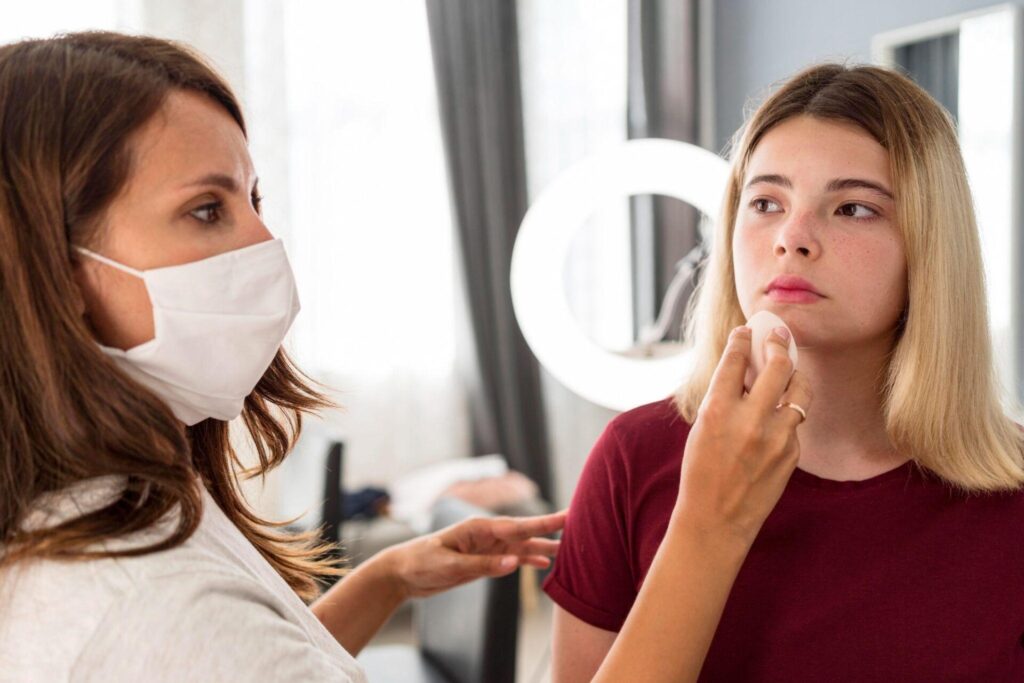
Cosmetic surgery can be an exciting step toward improving your appearance and boosting your confidence. However, achieving a satisfying outcome starts with having realistic expectations about what a procedure can and cannot do. While cosmetic surgery can enhance certain features, it is important to understand that results vary from person to person and perfection is not always possible.
Taking the time to learn about the procedure, recovery process, and expected results can help you make informed decisions and feel more confident in your journey. In this guide, we’ll discuss how to set realistic expectations and prepare for a positive experience.
Why Realistic Goals Are the Foundation of Plastic Surgery Success
Setting realistic goals for plastic surgery isn’t just positive thinking it’s the bedrock your entire experience is built on. A grounded, honest outlook protects you emotionally and shapes how satisfied you’ll actually feel when you’re six months out from surgery.
Your Mindset Is Doing More Work Than You Think
Most patients show up to consultations carrying goals shaped by Instagram filters, celebrity makeovers, or jaw-dropping before-and-afters. Those images rarely reflect what typical results look like. Whether someone is considering a facelift, breast augmentation, or a tummy tuck Philadelphia, understanding what is realistically achievable is essential. Research found that patients reported high rates of satisfaction and real improvements in body image within the first three months of cosmetic surgery, and those gains held steady through two full postoperative years. That kind of durable satisfaction isn’t luck. It’s built, brick by brick, on honest expectations from the very start.
The Social Media Trap Nobody Talks About
Filters, strategic lighting, and selective editing create an illusion of universally achievable “ideal” results. They aren’t. What looks stunning on one body type may be completely wrong for another. The real goal here isn’t a different face or a different body, it’s a better version of yours. Full stop.
Now that we’ve covered why honest expectations are non-negotiable, let’s dig into what actually shapes those expectations in the first place.
The Real Forces Behind Your Cosmetic Surgery Expectations
Understanding why cosmetic surgery expectations matter gets you halfway there. The other half is knowing what and who actually drives them.
Start With Yourself: Motivation and Mindset
Before anything else, ask yourself honestly: are you chasing improvement, or chasing perfection? Those are wildly different destinations. A good surgeon will ask you exactly that, by the way. Intrinsic motivations wanting to feel comfortable in your own skin tend to produce far better outcomes than external pressure, whether that’s a partner’s opinion or an upcoming event looming on the calendar.
Catching psychological red flags early matters too. If surgery feels like it might fix depression, save a relationship, or resolve a deeper identity crisis, talking to a mental health professional first isn’t weakness; it’s just smart, thorough care.
Your Surgeon’s Role: Expertise and Honest Dialogue
Once you’re clear on your own motivations, your surgeon’s contribution becomes pivotal. Board-certified surgeons are trained not just to perform procedures, but to set medically sound boundaries. They’ll walk you through before-and-after photos that honestly represent typical outcomes, not the best-case-scenario exceptions pulled from a highlight reel.
Philadelphia has no shortage of skilled cosmetic surgery specialists, including surgeons highly experienced in body contouring and facial work. If you’re researching a tummy tuck in Philadelphia, put your energy into finding a board-certified surgeon who’s upfront about costs and builds a surgical plan around your specific anatomy because the right fit between patient and surgeon makes an enormous difference in what you walk away with.
Understanding why realistic goals matter is only part of the equation. The next step is doing the groundwork before you ever set foot in a surgical suite.
Preparing for Cosmetic Surgery: A Practical, No-Fluff Guide
Preparing for cosmetic surgery is so much more than picking a date on the calendar. It involves research, honest self-reflection, and real logistical planning, all done well in advance.
Steps That Actually Make a Difference
Start by verifying your surgeon’s board certification through the American Board of Plastic Surgery (ABPS). From there, build a thorough medical history profile, including current medications, previous surgeries, allergies, and anything that could affect healing. Hold nothing back. Your safety genuinely depends on full transparency here.
Build a personal prep checklist, too. Quit smoking well before your procedure. Line up reliable post-op help at home. Block off enough recovery time in your schedule. These aren’t optional extras; they have a direct impact on your results.
How to Walk Into Your Consultation Like a Pro
Arriving prepared transforms you from a passive candidate into an active, empowered decision-maker. Write your questions down. Bring unfiltered, makeup-free photos for an accurate assessment. Use any digital visualization tools the office offers, just understand what they are and aren’t.
Consulting two or three surgeons before deciding? That’s not disloyalty. That’s wisdom. Comparing approaches, personalities, and recommendations gives you a much fuller picture and helps you land on someone you genuinely trust.
What to Actually Expect: From Your First Consultation Through Recovery
What to expect from cosmetic surgery isn’t one clean answer; it’s a process that unfolds across weeks, sometimes months.
The Consultation: Where Expectations Get Calibrated
A thorough consultation covers anatomy, goals, skin quality, and psychological readiness altogether, not in isolation. Expect an honest conversation about what’s achievable for your specific body, plus a clear, all-inclusive cost breakdown covering surgeon fees, facility charges, and anesthesia.
The Emotional Ride Nobody Prepares You For
Here’s something most pre-op guides gloss over: the emotional arc of surgery is real. There’s excitement leading up to it, anxiety the night before, and for many people, a brief wave of doubt or regret in that raw first week. That’s completely normal. It doesn’t mean you made a mistake.
Having a solid support system, close friends, family, or even an online community built around your specific procedure, makes a measurable difference. If anxiety feels genuinely unmanageable, reaching out to a counselor is absolutely reasonable.
Recovery: It’s Not a Straight Line
Physical healing doesn’t follow a tidy schedule. Swelling peaks in the first two weeks, gradually subsides through month three, and can linger subtly for up to a year, especially after procedures like rhinoplasty or abdominoplasty. Final results often don’t fully surface until six to twelve months post-op.
Your age, overall health, and the complexity of your procedure all shape how quickly you heal. Temporary asymmetries during recovery are normal, not permanent.
Myths, Trends, and the Social Media Problem
The “Perfect Results” Myth
Here’s the honest truth: cosmetic surgery doesn’t produce perfect outcomes. Ethical surgeons won’t promise it either. Skilled surgery enhances what’s already there. Natural asymmetries remain. Healing varies. And your results will reflect your anatomy, not someone else’s highlight reel.
Real patient stories spanning different ages, backgrounds, and motivations are infinitely more instructive than celebrity transformations. Actively seek those out.
Technology Tools: Useful, Not Magical
Modern tools like 3D imaging genuinely help with pre-surgical communication. Seeing a projected visual outcome helps align expectations before you ever go under. But these are communication tools, not promises or guarantees.
Virtual consultations work well for early screening and information-gathering. That said, in-person visits are non-negotiable before any surgical decision is finalized. A screen simply cannot replicate a proper physical evaluation.
Building Results That Actually Last
Maintaining surgical outcomes requires a real lifestyle commitment, not just good intentions. Sun protection, consistent movement, and balanced nutrition all help preserve what surgery delivered. Schedule follow-up appointments proactively. Don’t wait for a concern to snowball into a problem.
If something looks off after adequate healing time, document it with specific photos and bring them to your follow-up. Revision conversations are always easier when you arrive prepared and specific.
Choosing the Right Cosmetic Surgery Partner
Great surgeons bring both credentials and genuine empathy to the table. They listen without rushing. They explain honestly what a procedure won’t do, not just what it will. And they’re reachable after surgery, not just before.
Walk away from any surgeon who pressures you to decide fast, brushes off your questions, or quotes fees that feel suspiciously low. Those aren’t deals; those are red flags.
Real Stories: What Realistic Expectations Actually Produce
A 42-year-old mother of three pursued abdominoplasty after significant weight loss. Her goal wasn’t a magazine-cover stomach; it was wearing jeans without discomfort. Six months post-op, she described the result as “exactly what I hoped for,” because her expectations mapped honestly onto what surgery could actually deliver.
Then there’s a 58-year-old man who wanted a refreshed appearance after a facelift, not to look 30 again, just rested. He called it “the best decision I made for myself.” A recent study found that 91.91% of facelift patients who rated their experience said the procedure was “worth it”. That number says everything about what grounded expectations actually produce.
Your Cosmetic Surgery Questions, Answered
What qualifications should a cosmetic surgeon have?
Board certification from the American Board of Plastic Surgery (ABPS). It confirms rigorous training, comprehensive exams, and an ongoing commitment to continuing education and patient safety.
How do I know if my expectations are realistic?
If your goals center on improving a specific feature rather than achieving perfection or solving personal problems, they’re likely realistic. A board-certified surgeon can confirm candidacy during your consultation.
Is it normal to feel regret after surgery?
Yes, briefly. Many patients experience temporary doubt early in healing when swelling is most prominent. It typically fades as results emerge, usually around the three-month mark.
Closing Thoughts
Every successful cosmetic surgery outcome starts long before the operating room. It begins with honest self-reflection, thorough preparation, and a surgeon willing to tell you the truth even when it isn’t exactly what you were hoping to hear.
Cosmetic surgery expectations grounded in reality don’t limit your results. They protect them. Give yourself the time to prepare properly, ask every question on your list, and choose a partner who genuinely puts your well-being first. That’s how a cosmetic journey becomes something you’ll never regret.
Other Articles You May Find of Interest...
- GHK-Cu and Your Skin: What the Copper Peptide Research Actually Shows
- Why Does Sunscreen Burn My Face?
- What A First Visit With A Plastic Surgeon Actually Involves
- Does Chlorine Kill Warts or the Virus That Causes Them?
- Why Do My Fingernails Curve Downward?
- Where to Get PRF Treatments in the Twin Cities: A Local Guide
- 5 Laser Hair Removal Chains to Consider