






More Beauty Skin Care & Gorgeous Smiles Articles
Why Do My Fingernails Curve Downward?
By Your Health Magazine Health Information Team
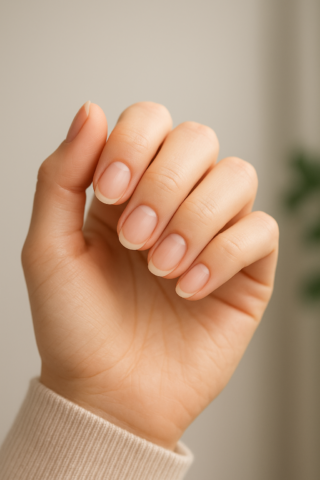
If your pointer fingernails curve down, the shape may simply be a normal or inherited feature—especially if it has been present for years and your fingertips otherwise look and feel normal. A new or increasing downward curve, however, can result from nail injury, infection, inflammation, or clubbing, a change that usually also makes the fingertips larger and the nail beds soft or spongy.
Why the Pointer Fingernails May Curve Down
Fingernails grow along the shape of the tissue underneath them. Small differences in the nail bed and fingertip can therefore give each nail a slightly different curve. Some people naturally have more rounded index fingernails than their other nails, and similar nail shapes may run in families.
If only one or two pointer nails have changed, a local cause is generally more likely than a condition affecting the entire body. Possible explanations include:
- Past injury: Crushing or damaging the base of a nail can affect how the new nail grows. A significant nail-bed injury may cause lasting changes in shape.
- Repeated irritation: Picking, rubbing, aggressive manicures, or frequently using a nail as a tool can damage the nail or surrounding tissue.
- Infection: Fungal, yeast, or bacterial infections can alter a nail’s shape, color, texture, or attachment to the nail bed.
- Inflammatory skin conditions: Psoriasis and other skin disorders can cause pitting, thickening, crumbling, lifting, or distortion.
- A problem beneath or beside the nail: A cyst, wart, or other localized growth can occasionally change the shape of one nail and should be examined.
MedlinePlus provides an overview of common causes of nail abnormalities, including injury, infection, skin disease, and medical conditions. You can also read more about fingernails that curve down at the tips.
Could It Be Nail Clubbing?
Clubbing is different from having naturally curved nails. It involves changes in the soft tissue beneath and around the nail. The nail curves more dramatically from front to back while the end of the finger becomes wider, rounder, or bulb-shaped. The nail bed may feel unusually soft, and the normal angle where the nail meets the cuticle becomes less distinct.
| Feature | Normal or inherited curve | Possible clubbing |
|---|---|---|
| Timing | Long-standing and stable | New or becoming more noticeable |
| Number of nails | May affect one, several, or all nails | Usually affects several fingers and may affect toes |
| Fingertip | Normal size and shape | Enlarged, rounded, or bulging |
| Nail bed | Firm | May feel soft or spongy |
| Other symptoms | Usually none | May occur with breathing, heart, digestive, or other symptoms |
Clubbing is sometimes an inherited, harmless trait, but acquired clubbing can be associated with certain lung, heart, liver, intestinal, thyroid, or other medical conditions. It does not identify a specific disease by itself. The National Library of Medicine explains the characteristic changes and possible causes in its guide to clubbing of the fingers or toes.
True clubbing usually affects more than one nail. If just one pointer fingernail is progressively curving while the fingertip is also becoming enlarged, a clinician may look for a localized injury or abnormality rather than assuming a whole-body cause.
Downward Curving Is Not the Same as Spoon Nails
People sometimes confuse clubbed nails with spoon-shaped nails. With spoon nails, the center of the nail dips inward while the outer edges turn upward, creating a shallow bowl-like appearance. This is different from a nail that arches over the end of the finger.
Spoon-shaped nails may occur with iron deficiency, but nail appearance alone cannot diagnose anemia. Do not begin iron supplements solely because of a change in nail shape; excessive iron can be harmful. A healthcare professional can determine whether blood testing is appropriate.
What to Look for at Home
Examine all your fingernails and toenails in good light, preferably without polish or artificial nails. Consider the following questions:
- Has the curve always been present, or is it new?
- Is it becoming more pronounced?
- Are only the pointer nails affected, or are other fingers and toes changing?
- Do the fingertips look larger or rounder than before?
- Do the nail beds feel soft or springy when gently pressed?
- Is there pain, redness, swelling, drainage, discoloration, thickening, pitting, or separation from the nail bed?
- Was there a previous injury, manicure-related damage, or repeated picking?
- Are there other symptoms, such as persistent cough, shortness of breath, fatigue, unexplained weight loss, digestive problems, or bluish lips or fingers?
Photographing the nails every few weeks under similar lighting may help you determine whether the shape is stable or progressing. A home inspection cannot confirm clubbing or identify its cause, so avoid relying on photographs or online comparisons for a diagnosis.
When to Seek Care
Make an appointment with a primary care clinician or dermatologist if the downward curve is new, worsening, or unexplained. Evaluation is especially important if several nails are changing or if you notice enlarged fingertips, soft nail beds, pain, nail lifting, a persistent dark streak, a lump, redness, warmth, or drainage. The American Academy of Dermatology’s guide to nail changes that warrant examination includes curved nails and other warning signs.
Seek urgent medical attention if nail or fingertip changes occur with severe shortness of breath, chest pain, confusion, fainting, or blue or gray lips. These symptoms require prompt assessment regardless of the appearance of the nails.
A clinician may compare all your fingers and toes, review your health history, examine the skin and nails, and check your heart, lungs, and oxygen level. Blood tests, nail samples, imaging, or other testing may be considered only when the examination suggests a particular cause. For additional reliable consumer health information, browse the National Library of Medicine’s MedlinePlus health topics.
Protecting the Nails
Keep nails comfortably short, file rough edges gently, and avoid biting, picking, digging beneath the nail, or using fingernails to open objects. Wear gloves when working with water, cleaning products, or chemicals. Do not try to flatten a curved nail by cutting deeply into its sides, and avoid treating a discolored or distorted nail as fungus without confirmation—several nail disorders can look similar.
A stable downward curve without fingertip swelling or other nail changes is often simply part of your natural nail shape. A new, progressive curve deserves medical evaluation, particularly when it affects multiple nails or is accompanied by changes in the fingertips or other symptoms.
Other Articles You May Find of Interest...
- How Zinc Oxide Protects and Helps Heal Irritated Skin
- Searching for Aesthetics Near Me: How to Judge a Clinic Before You Book
- Small Procedure, Large Decision: What Patients Misunderstand About Short Scar Facelifts
- Facial Ageing Is Structural, Not Superficial
- How to Choose an Anti-Wrinkle Injections Clinic in Glasgow
- What Laser Tattoo Removal Is Really Like When It Is Done Well
- How Liposuction Can Address Stubborn Fat That Resists Lifestyle Changes





