More Medication Articles
Atenolol and Dry Mouth: Understanding the Connection
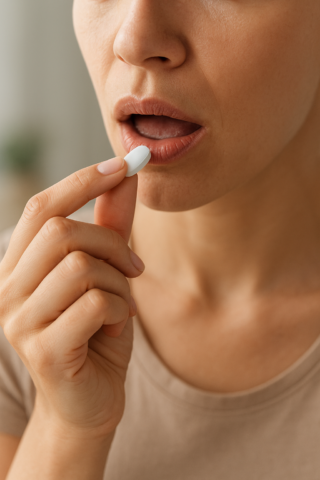
Many people who take atenolol, a medication often prescribed for high blood pressure and heart conditions, may notice unusual changes in their mouth, like dryness. This can spark concern and lead people to wonder, does atenolol cause dry mouth? Understanding the potential connection between atenolol and this uncomfortable side effect can help you manage your experience better and know when it’s time to discuss it with your healthcare provider.
How Does Atenolol Work?
Atenolol is a type of medication known as a beta-blocker. It is designed to help manage high blood pressure, angina, and other heart-related conditions by slowing down the heart rate and reducing the heart’s workload. This action can lead to a cascade of effects in the body, some desired and some not so pleasant. Understanding these effects can help you monitor your body’s response to the drug.
Does Atenolol Cause Dry Mouth?
The connection between atenolol and dry mouth is not as straightforward as one might think. While not everyone will experience dry mouth while taking atenolol, it is considered a potential side effect. Dry mouth, known medically as xerostomia, occurs when the salivary glands in your mouth don’t produce enough saliva. This condition can lead to difficulties in speaking, chewing, and swallowing, and can increase the risk for dental issues.
What to Expect When Taking Atenolol
When starting atenolol, it’s common to wonder how your daily life might be impacted. While it helps in managing heart-related issues effectively for many, you should be aware of potential side effects. Mild symptoms like fatigue, dizziness, or a slower heart rate might occur initially as your body adjusts to the medication. If dry mouth is one of your symptoms, consider simple relief strategies such as staying hydrated, sucking on sugar-free lozenges, or using a saliva substitute.
When to Seek Care
If you experience significant discomfort or symptoms that interfere with your daily routine, such as persistent dry mouth, it’s important to seek medical advice. A healthcare provider such as a dentist can assess the severity of your symptoms and offer guidance. You may also want to consult with your prescribing doctor to discuss alternate medications or treatments if dry mouth is affecting your quality of life. No one should have to endure uncomfortable side effects unnecessarily. Furthermore, if you experience more severe reactions like swelling, hives, or difficulty breathing, seek emergency care immediately.
Questions to Ask Your Doctor
Before starting or while taking atenolol, it’s beneficial to have a discussion with your doctor. What are the likely side effects? How will it affect my lifestyle? Can I eat, drink, or exercise normally? Should I be concerned about any interactions with other medications? Having clarity on these points can enhance your treatment journey and ensure both safety and effectiveness.
How This Could Affect Daily Life
Dealing with a dry mouth might seem like a minor inconvenience, but it can feel more impactful over time. Imagine needing a glass of water during every meeting or feeling constantly parched during a jog. These scenarios illustrate how attention to hydration and oral care becomes more crucial while on atenolol, highlighting the importance of managing even mild medication side effects effectively.
Exploring Other Health Solutions
Sometimes, managing one health issue might lead to unintended challenges elsewhere, like with the onset of dry mouth while treating high blood pressure. Maintaining a healthy lifestyle, such as incorporating safe exercise routines and effective weight control strategies, could complement your medical treatment positively. For further reading on maintaining a balanced lifestyle alongside medication usage, explore weight loss, safe and effective approaches, and hidden causes on our site.
It’s vital to be proactive in your healthcare journey. Understanding your medication’s side effects and knowing when to seek care can make a significant difference. For further details on how drugs might interact with your body and potential reactions to be aware of, consider visiting this comprehensive resource.
Takeaways
- Atenolol is a beta-blocker used for heart-related conditions.
- Dry mouth is a potential side effect for some people taking atenolol.
- Stay hydrated and consider saliva substitutes to mitigate dry mouth.
- Consult healthcare providers if side effects become troublesome.
- Always discuss potential side effects and alternative treatments with your doctor.
Common Questions
When should I see a doctor about dry mouth from atenolol?
If dry mouth persists or causes significant discomfort, reach out to your doctor. Immediate medical attention is necessary if you notice severe symptoms like difficulty breathing or swelling.
What healthcare provider treats dry mouth?
For persistent dry mouth symptoms, a dentist is equipped to assess and provide treatment options. They can help you manage oral health while experiencing this side effect.
How can I prevent dry mouth while taking atenolol?
Staying well-hydrated, avoiding alcohol and caffeine, using a humidifier at night, and chewing sugar-free gum can all help alleviate dry mouth symptoms.
Are there alternative medications if atenolol causes too many side effects?
Your doctor can offer alternative medications or treatments if atenolol’s side effects prove too disruptive to your daily life. Discussions about symptoms and concerns will guide this decision.
Other Articles You May Find of Interest...
- How Long Do Antibiotics Take to Work for Strep Throat?
- Does Telmisartan Lower Heart Rate?
- Can Benzonatate Cause Diarrhea?
- Does Singulair Work Right Away? How Long It Takes to Start Working
- Can You Take Meclizine if You Have Glaucoma?
- Can You Take Zyrtec and Benadryl on the Same Day?
- How Long Does Arm Pain Last After a Hepatitis B Vaccine?