More Weight Control, Nutrition & Exercise Articles
Why Flexible Fitness Solutions Are Transforming Wellness for Busy Phoenix Families
Introduction
Phoenix continues to grow at a remarkable pace. Families are relocating to the Valley for opportunity, sunshine, and an active lifestyle. At the same time, daily life has become increasingly demanding. Parents balance careers, children participate in year round activities, and school schedules remain full. While health remains a top priority for many households, fitting consistent movement into an already busy routine can feel overwhelming.
In this environment, fitness solutions that demand rigid schedules or long commutes often fall short. Families are looking for options that align with their lifestyle rather than compete with it. Flexible fitness approaches are gaining traction because they remove barriers and make consistency more achievable. For Phoenix families navigating heat, traffic, and packed calendars, adaptability is becoming essential.
The Unique Lifestyle Demands of Phoenix Families
Living in Phoenix offers many advantages, but it also presents unique challenges when it comes to staying active. The climate alone plays a significant role in how and when families can exercise.
Several factors shape the Phoenix fitness landscape:
- Extreme summer temperatures that limit outdoor activity
- Long travel times across different areas of the Valley
- Busy school and youth sports calendars
- Growing awareness of whole family health and wellness
During the summer months, outdoor workouts can quickly become unsafe due to heat. Even during milder seasons, families often find themselves coordinating transportation between school, activities, and work. These realities require creative solutions that prioritize safety and efficiency.
Families in Phoenix are increasingly recognizing that sustainable fitness must adapt to environmental and lifestyle factors rather than ignore them.
Why Traditional Gym Models Do Not Always Fit Family Needs
Traditional gyms serve an important purpose, but they are not always designed with families in mind. For households with children, coordinating schedules and logistics can create obstacles that disrupt consistency.
Common challenges include:
- Travel time in heavy traffic that adds stress to the day
- Limited childcare options during workouts
- Programs that focus primarily on adults
- Overcrowded peak hours that reduce comfort and accessibility
Parents may struggle to find time that works for everyone in the household. Children may feel overwhelmed in busy or unfamiliar environments. When fitness becomes another complicated appointment to manage, it often moves lower on the priority list.
For families seeking consistency, reducing logistical friction becomes just as important as the workout itself.
The Importance of Accessibility in Building Consistency
Accessibility plays a pivotal role in long term fitness success. When workouts are easy to access, families are more likely to stick with them.
Accessible fitness solutions provide:
- Reduced friction around scheduling
- Comfortable environments for children
- Opportunities for parents to observe progress
- Flexibility when routines change
Consistency is built on repetition. When families can remove barriers such as travel time or rigid scheduling, it becomes easier to maintain healthy habits week after week. Accessibility does not mean sacrificing structure. It means designing fitness in a way that fits into daily life rather than disrupting it.
Personalization as a Key Driver of Long Term Success
No two families are the same. Children vary in age, ability, and learning style. Parents have different goals and physical needs. Personalized programming recognizes these differences and builds plans that reflect them.
Effective personalized training includes:
- Clear goal setting for each family member
- Adaptations for different ages and ability levels
- Structured progress tracking
- Accountability built into regular routines
When families receive individualized attention, they feel supported rather than pressured. Children develop confidence when workouts are aligned with their skill level. Parents gain reassurance knowing their goals are being addressed thoughtfully.
Personalization transforms fitness from a generic activity into a meaningful experience tailored to the household.
Removing Environmental Barriers to Stay Active Year Round
Phoenix families must navigate environmental factors that can interrupt outdoor routines. Summer heat often limits physical activity for extended periods. Air quality concerns and safety considerations can further restrict options.
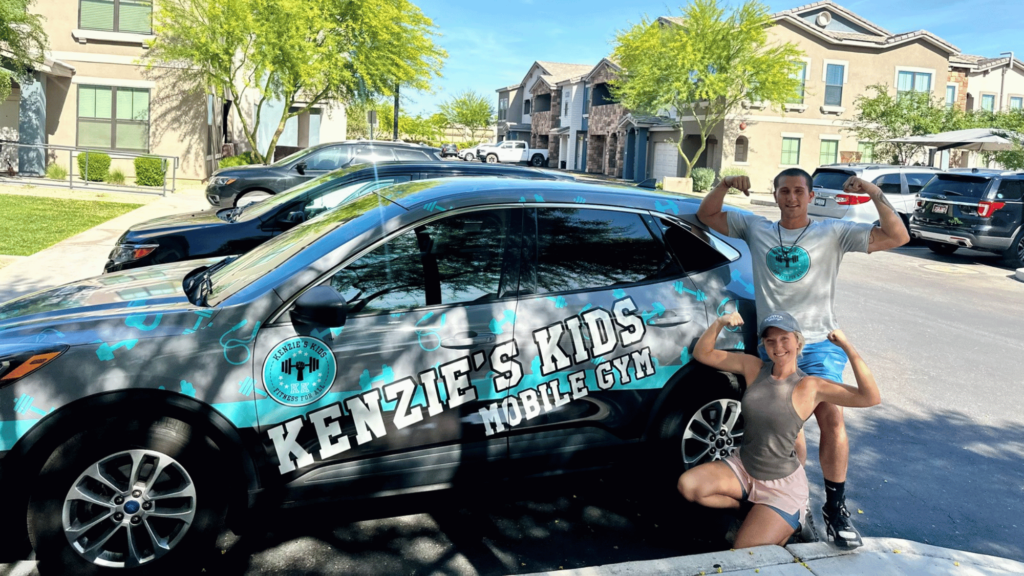
Solutions that remove environmental barriers allow families to maintain consistency regardless of season. This is one reason many households explore alternatives that bring structured training into controlled environments. For example, services such as mobile gym personal training in Phoenix offer families the ability to stay active without relying on outdoor conditions or crowded facilities.
By minimizing environmental disruptions, families can build routines that continue year round. This consistency supports stronger long term results and reduces the frustration that comes from starting and stopping.
What Families Should Look for in a Flexible Training Option
Choosing the right fitness provider requires thoughtful evaluation. Families should look beyond convenience and assess the overall quality of support.
Important considerations include:
- Professional credentials and relevant experience
- Demonstrated experience working with children
- Quality equipment and safety standards
- Clear and consistent communication
- A long term development focus rather than short term intensity
A provider who understands family dynamics and child development is better positioned to deliver meaningful outcomes. Fitness should feel structured, supportive, and aligned with household values.
The Broader Impact of Family Centered Fitness
When fitness becomes part of the family routine, its impact extends beyond physical health. Movement influences confidence, emotional balance, and relationships within the home.
Long term benefits of family centered fitness include:
- Stronger bonds through shared goals
- Increased confidence and resilience in children
- Reduced stress through regular physical activity
- Sustainable habits that carry into adulthood
Families who prioritize movement together often experience improved communication and mutual encouragement. Children learn by example, and parents model healthy behavior in a way that feels natural.
These broader outcomes highlight why adaptable fitness solutions are gaining popularity among Phoenix households.
Conclusion
Phoenix families face unique lifestyle demands, from intense summer heat to long travel times and packed schedules. In this environment, traditional fitness models do not always provide the flexibility required for consistent success. Families are increasingly seeking solutions that adapt to their daily routine rather than compete with it.
By prioritizing accessibility, personalization, and year round consistency, flexible fitness options are transforming how households approach wellness. When movement becomes integrated into family life, it supports not only physical strength but also confidence, connection, and long term well being.
Other Articles You May Find of Interest...
- What a Weight Loss Clinic in Melbourne Can Do Before and After Your Surgery
- Cold Plunge or Sauna? What the Recovery Research Actually Shows
- How Personalized Weight Loss Programs Help Achieve Sustainable, Long-Term Results
- High-Fructose Foods to Limit and Lower-Sugar Alternatives
- Best High-Fiber Foods Chart for Better Digestive Health
- How Many Carbs Are in Turkey Bacon?
- 9 Healthiest Mushrooms to Eat