






More Pain Management & Rehabilitation Articles
Why Do I Keep Getting a Recurring Bruise on the Same Spot?
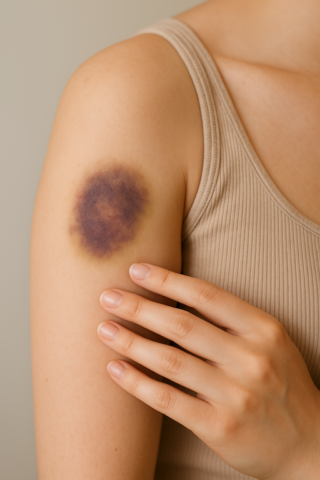
Finding a recurring bruise on the same spot can be puzzling and, at times, concerning. While occasional bruises from minor bumps or accidents are normal, seeing a bruise reappear frequently in the same place might suggest an underlying issue that shouldn’t be overlooked. Understanding the potential causes and when to seek medical advice can help ensure your health and well-being.
Why Is That Bruise Always In the Same Place?
Bruises form when small blood vessels break under the skin due to an impact or pressure. When you have a recurring bruise in the same location, it could be due to repeated trauma or pressure on that area. For instance, activities like carrying heavy bags on the same shoulder or consistently leaning on the same part of your body can lead to repeated bruising. These lifestyle habits are common but could be a signal to change routines to prevent further bruising.
In some cases, recurring bruising might be an indicator of an underlying health issue. Conditions that affect blood clotting, such as hemophilia or certain platelet disorders, can cause frequent and seemingly spontaneous bruising. Additionally, skin changes due to aging or sun exposure can make bruising more apparent.
Underlying Conditions That Could Cause Recurring Bruises
Persistent bruising on the same spot could also hint at medical conditions that require further investigation. Some of these include:
- Anemia: A deficiency in red blood cells can make you more susceptible to bruising. For more information, you can explore topics related to anemia and its effects on the body.
- Vascular Diseases: Conditions affecting the blood vessels can lead to recurrent bruising. These issues may affect the veins in a particular area, causing more pronounced bruising in that spot.
- Liver Function: Liver diseases can impact blood clotting factors, making bruising more prevalent.
When to Seek Care
If you notice a bruise that keeps reappearing in the same spot, consider reaching out for medical advice. Hematologists, who specialize in blood disorders, or general practitioners, can evaluate your symptoms and possibly recommend blood tests or imaging if an underlying condition is suspected. It’s important to seek care if the bruising is accompanied by severe pain, if it grows in size without an obvious cause, or if it’s coupled with other symptoms like fatigue or unexplained weight loss.
The Impact on Daily Activities
Recurring bruises can interfere with daily life, especially if located on areas subject to pressure or friction. They might cause discomfort during physical activities or create a sense of self-consciousness. Adapting habits, such as using protective padding or altering the way you carry items, can help alleviate bruise formation in sensitive spots.
Practical Questions About Medications and Bruising
Certain medications, especially blood thinners, can increase bruising. If you are starting a new medication or transitioning between treatments, it’s natural to have questions. It’s advisable to discuss any noticeable changes in bruising patterns with your healthcare provider. They can advise on whether adjustments are needed and how long you might expect to notice changes after switching medications.
Takeaways
- Recurring bruising in the same spot can result from repeated trauma or underlying health issues.
- Conditions like anemia or vascular diseases could contribute to persistent bruising.
- Seek medical advice if bruising is consistent, causes significant pain, or presents with other symptoms.
- Protect sensitive areas and modify habits to prevent further bruising.
- Discuss medication impacts on bruising with a healthcare provider.
Common Questions
What are common reasons for a recurring bruise on the same spot?
Common causes include repeated trauma or pressure, underlying medical conditions like blood disorders, and certain medications that affect blood clotting.
When should I see a doctor for a recurring bruise?
You should consult a healthcare provider if the bruise is painful, increasing in size, or does not resolve after a couple of weeks. Other warning signs include accompanying symptoms such as fatigue or frequent nosebleeds.
What type of healthcare provider should I consult?
A general practitioner can be a starting point for evaluation. If a blood disorder is suspected, they may refer you to a hematologist.
Can lifestyle changes help reduce bruising?
Yes, modifying habits such as evenly distributing weight, avoiding repetitive pressure on the bruised area, and using protective gear during activities can help reduce bruising.
How can my medication affect bruising?
Some medications, like blood thinners, can increase your bruising risk. It’s crucial to discuss changes in bruising with your doctor, as they might need to adjust your treatment plan.
Remember, a recurring bruise on the same spot should not be ignored. Getting evaluated ensures any potential underlying conditions are addressed and managed effectively.
Other Articles You May Find of Interest...
- Why Do I Keep Getting a Recurring Bruise on the Same Spot?
- Can Nabumetone Help Relieve Your Migraine Pain?
- Is Naproxen a Muscle Relaxer or Painkiller? Unveiling Its True Purpose
- Causes and Solutions for Pain on the Left Side Near the Hip Bone
- Can Methocarbamol Affect Your Blood Pressure? Discover the Truth
- Are You Aware of the Potential Malathion Side Effects?
- Is OxyContin a Muscle Relaxer or Pain Reliever? Understanding Its True Effects




