
More Reviews Articles
VisiFlora – Is This Gut-Eye Formula Worth Trying? Pros, Cons & Results
Disclosure: This article may contain sponsored content or affiliate links provided by third parties. Publication does not constitute an endorsement by Your Health Magazine.
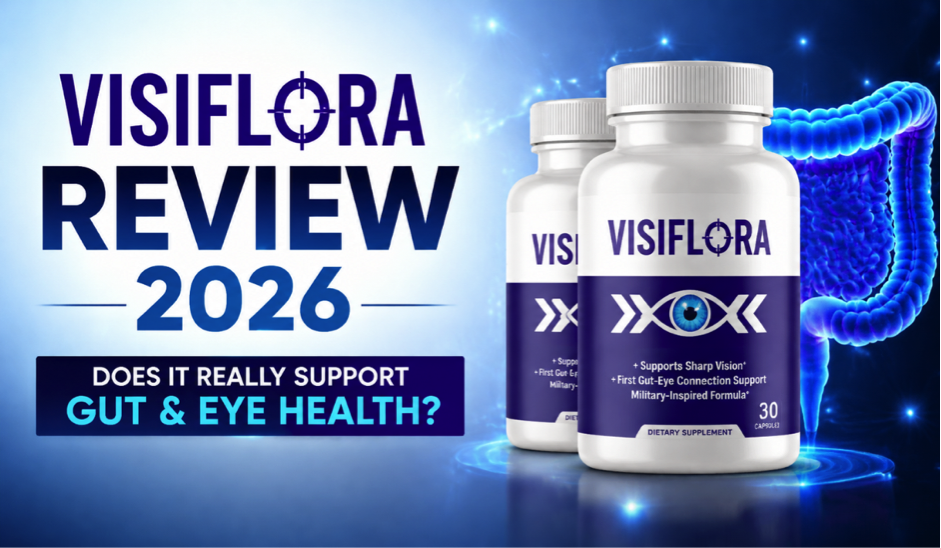
Eye supplements have followed the same formula for years: lutein, zeaxanthin, maybe some bilberry. The science is solid, but VisiFlora’s manufacturer believes the conventional approach misses something critical.
Their claim centers on the gut-eye axis – genuine emerging research examining how gut barrier integrity affects ocular health. The theory: bacterial toxins from an unhealthy gut leak into circulation and gradually damage retinal tissue. Supporting both systems simultaneously makes more sense than targeting the eyes alone.
Recent publications from University College London support this framework. But does the research actually validate this specific formula? More importantly, does it deliver measurable benefits for screen fatigue, blurry vision, or age-related visual decline? This VisiFlora review examines the formula, research context, customer reports, and what you should know before buying.
>>✅Check VisiFlora Pricing and Package Options
What Is VisiFlora?
VisiFlora is a once-daily capsule supplement marketed as a comprehensive vision support system that works through the gut-eye connection. The manufacturer positions it as different from conventional eye vitamins by addressing what they describe as the root cause of vision decline: LPS toxins leaking from an unhealthy gut into the bloodstream and damaging eye tissues.
The formula contains 22 ingredients organized into four groups: a Vision Defense Matrix (antioxidants and minerals), a Gut-Eye Barrier Complex (botanical extracts), Vision Performance Boosters (circulation support), and a Macular and Lens Protection Blend (traditional eye nutrients).
According to the company, VisiFlora is non-GMO, stimulant-free, vegan, and manufactured in a facility following USDA National Organic Program standards. It’s sold exclusively through the official website with a 60-day money-back guarantee. The product targets adults experiencing screen fatigue, blurry vision, night vision changes, or age-related visual decline.
How Does VisiFlora Work?
VisiFlora’s mechanism is built around two complementary approaches: supporting gut barrier integrity to reduce systemic inflammation, and delivering targeted nutrients directly to eye tissues.
The gut-focused component uses polyphenolic compounds like grape seed extract, quercetin, and rutin—ingredients studied for their antioxidant and anti-inflammatory properties. The theory is that strengthening the gut barrier reduces LPS translocation, which could theoretically lower inflammatory stress on ocular tissues. This concept has roots in published gut-eye axis research, though no studies have tested VisiFlora’s specific combination for this purpose.
The eye-targeted component includes carotenoids (lutein, zeaxanthin, astaxanthin) that accumulate in retinal tissue and act as antioxidants, plus compounds like bilberry and saffron extract studied for retinal blood flow and visual function. Minerals like zinc and selenium support enzymatic processes in the retina.
The company suggests these two systems work synergistically—gut support reduces inflammatory burden while direct eye nutrients protect and nourish visual structures.
>>✅ Full Refund If You’re Not Satisfied – Try VisiFlora with Complete Confidence
VisiFlora Ingredients
The formula divides its 22 components into four functional categories.
Vision Defense Matrix
Astaxanthin leads this group. It’s a carotenoid with published research showing it crosses the blood-retinal barrier—a capability not all antioxidants share. Clinical studies have examined its effects on eye fatigue and accommodative function, particularly in adults with heavy screen exposure.
Vitamins C and E provide antioxidant support. Copper, selenium, and chromium round out this category as trace minerals involved in antioxidant enzyme function and metabolic regulation.
Gut-Eye Barrier Complex
Grape seed extract, rutin, and quercetin form what the company calls its “Gut Armor Trio.” These polyphenolic compounds have been established research on anti-inflammatory properties. The company references traditional use in Japan for blood-retinal barrier support, though that characterization represents cultural use patterns rather than clinical validation for this specific combination.
Taurine supports retinal cell function and has been studied for its role in photoreceptor health. Alpha lipoic acid is included as an antioxidant that can regenerate other antioxidants in the body.
Vision Performance Boosters
Ginkgo biloba has been researched examining its effects on retinal blood flow. The company cites a 23% improvement figure, which appears to reference ingredient-level research at specific dosages—not a validated outcome for VisiFlora’s formulation.
Coleus forskohlii contains forskolin, studied for its potential effects on intraocular pressure. Eyebright is a traditional botanical with historical use for eye health, though clinical evidence remains limited.
Macular and Lens Protection Blend
Lutein and zeaxanthin from marigolds are the most extensively researched eye health nutrients. The AREDS2 trial used 10 mg lutein and 2 mg zeaxanthin daily. How much VisiFlora contains isn’t disclosed.
Vitamin A supports night vision and retinal function. Zinc at 11 mg supports immune function and is involved in vitamin A metabolism. This is lower than the 80 mg used in the original AREDS study but within the ranges used in other formulations.
Bilberry extract provides anthocyanins studied for night vision and circulation. Lycopene and saffron extract complete the blend, with saffron having emerging clinical research on visual acuity in certain populations.
VisiFlora Benefits
The claimed benefits align with common vision concerns among adults over 40 and heavy screen users:
- Visual Clarity Support – The lutein and zeaxanthin content may help maintain macular pigment density, which affects how sharply you see fine details.
- Reduced Eye Strain – Astaxanthin and taurine have been studied for their potential to ease accommodative stress during prolonged near work.
- Night Vision Comfort – Vitamin A and bilberry are traditionally associated with low-light visual function, though individual responses vary.
- Blue Light Filtering – Macular carotenoids absorb blue light wavelengths before they reach photoreceptors, potentially reducing phototoxic damage over time.
- Circulation Support – Ginkgo biloba and other circulation-supporting botanicals may influence retinal blood flow, which affects nutrient and oxygen delivery to eye tissues.
- Antioxidant Protection – Multiple ingredients provide free radical scavenging capacity, which matters given that the retina has high metabolic activity and oxygen exposure.
- Gut Barrier Reinforcement – The polyphenol content may support intestinal barrier integrity, addressing the mechanistic framework around which the product is built.
Pros and Cons
Pros
- Combines traditional eye nutrients with gut-supporting compounds in one formula
- Contains well-researched ingredients like lutein, zeaxanthin, and astaxanthin
- Manufactured in a facility following USDA organic handling standards
- Vegan and stimulant-free formulation
- Lower zinc dosage (11 mg) reduces nausea risk compared to high-dose formulas
- Built around the emerging gut-eye axis research framework
- 60-day money-back guarantee reduces purchase risk
Cons
- Individual results differ depending on lifestyle and eye health
- Optimal benefits appear with regular and continued usage
- Only available through the official website, limiting price comparison options
How To Use VisiFlora?
The recommended dosage is one capsule daily, taken with water during or after a meal. Taking it with food improves absorption of fat-soluble nutrients like lutein, zeaxanthin, and vitamin A.
The company suggests consistent daily use for best results, noting that vision support compounds build up in tissue over weeks rather than producing immediate effects. If you take other supplements or medications—particularly blood thinners, given ginkgo biloba’s mild anticoagulant properties—spacing doses by a few hours may reduce interaction potential.
Store the bottle in a cool, dry place away from direct sunlight. The capsules are vegetable-based, making them suitable for vegetarian and vegan diets.
Who Should Use VisiFlora?
VisiFlora targets several specific groups based on common vision concerns and lifestyle factors.
- Adults experiencing screen-related eye fatigue may benefit from the astaxanthin and taurine content, both studied for accommodative function during prolonged digital device use.
- People over 40 noticing early vision changes represent the core demographic. Age-related shifts in macular pigment density, lens flexibility, and tear production often begin in this decade.
- Those interested in the gut-eye connection who already pay attention to digestive wellness might appreciate the formula’s dual-system approach, especially if they’re curious about emerging microbiome research.
- Adults with family history of eye conditions sometimes take proactive supplementation, though this should complement—not replace—regular eye exams and professional monitoring.
- Night drivers noticing reduced clarity in low light may be drawn to the vitamin A and bilberry content, though expectations should remain realistic about the degree of improvement supplements can provide.
VisiFlora is not appropriate for pregnant or nursing women without medical clearance, anyone with bleeding disorders (due to ginkgo and vitamin E), or those expecting a supplement to reverse diagnosed eye disease. It’s also not suitable as a substitute for prescription eye care.
Possible VisiFlora Side Effects
VisiFlora is generally well-tolerated according to the manufacturer’s safety information, and the company states it’s produced in an FDA-registered facility following Good Manufacturing Practice (GMP) standards. That said, individual responses to botanical supplements vary.
The most commonly reported issues with similar formulations include mild digestive adjustment during the first few days—occasional bloating or changes in bowel habits as the gut-supporting ingredients take effect. These typically resolve within a week.
Ginkgo biloba has mild blood-thinning properties, which means increased bruising risk or interaction potential with anticoagulant medications like warfarin. High-dose vitamin E (amount not disclosed in VisiFlora) has similar considerations.
Some users of bilberry extract report temporary changes in blood sugar regulation. Anyone managing diabetes should monitor levels more closely when starting any new supplement.
Allergic reactions to botanicals are rare but possible. If you develop hives, difficulty breathing, or facial swelling after starting VisiFlora, discontinue immediately and seek medical attention.
Results Timeline: What to Expect
Vision supplements work on biological timelines that frustrate people expecting quick fixes. Here’s what the research on individual ingredients suggests about realistic timeframes.
- Weeks 1-2: Most users notice nothing dramatic. Some report slightly reduced end-of-day eye fatigue, though placebo effects are hard to rule out this early. The gut-supporting compounds may cause minor digestive adjustment.
- Weeks 3-6: This is when macular carotenoid levels begin measurably increasing in published lutein/zeaxanthin studies. Users sometimes report improved visual comfort during extended screen time and better recovery after long reading sessions.
- Weeks 8-12: Studies on astaxanthin and accommodative function typically measure outcomes at the 8-12 week mark. Some users report sharper focus transitions between near and far objects. Night vision improvements, if they occur, often become noticeable in this window.
- 3-6 months: Longer-term structural support becomes relevant here—maintaining macular pigment density rather than reversing existing damage. The gut-eye axis effects, if the hypothesis holds, would likely manifest on this timeline.
VisiFlora Reviews – What Customers Are Saying?
Positive Reviews
The most common positive themes center on reduced eye strain after 4-6 weeks of use. Users who spend 8+ hours daily on computers frequently mention less end-of-day fatigue and reduced need for frequent breaks.
Night vision improvement appears in multiple testimonials, particularly from older adults who struggled with driving after dark. These users describe better clarity in low-light conditions and reduced glare sensitivity.
Several reviewers mention reduced floaters, though this is harder to explain mechanistically since vitreous floaters are structural rather than nutritional issues. Perception changes and reduced inflammation might play a role.
Reading comfort improvements appear frequently—sharper text, less blurring during extended reading sessions, and better focus endurance. This aligns with astaxanthin research on accommodative function.
A smaller subset of users mentions digestive improvements alongside vision benefits, which supports the gut-eye connection framework that the product is built around.
Common Complaints
Delayed delivery comes up occasionally, with some customers reporting 7-10 day shipping times despite expectations of faster arrival. This appears to be related to high-demand periods.
Varied results are the most honest complaint pattern. Some users report no noticeable changes after 60 days, which is consistent with supplement response variability and the fact that not everyone has the same baseline nutritional deficiencies.
Mild initial side effects include temporary digestive adjustment—bloating or loose stools in the first few days. These typically resolve as the body adapts to the polyphenol content.
Bonuses
VisiFlora purchases include three digital guides designed to complement the supplement regimen.
- The Military Vision Protection Manual draws from tactical vision training approaches used in defense settings. It covers blue light exposure management, contrast sensitivity exercises, and peripheral vision awareness techniques.
- The Gut-Eye Healing Protocol outlines a 7-day gut reset plan with meal suggestions, hydration targets, and lifestyle modifications intended to support the intestinal barrier integrity that underpins the product’s mechanism.
- The 48-Hour Vision Jump-Start provides quick-implementation strategies for reducing eye strain—screen positioning, the 20-20-20 rule, and environmental lighting adjustments you can make immediately while waiting for supplement effects to build.
Money Back Guarantee
VisiFlora comes with a 60-day money-back guarantee from the date of delivery. Unsatisfied customers can return all bottles—opened or unopened—within this window for a refund of the purchase price.
The refund process requires contacting customer support at [email protected] and shipping products back to the company’s warehouse. Customers cover return shipping costs, and the original shipping fee is not refunded. Refunds are processed within a few days after the returned package is received and credited to the original payment method.
This policy reduces purchase risk, allowing skeptical buyers to test the product with a safety net. The 60-day window provides adequate time to evaluate results, as the manufacturer suggests benefits may take several weeks to become noticeable.
VisiFlora Pricing & Packages
VisiFlora uses volume-based pricing with three purchasing tiers:
- 6-Bottle Package (Ultimate Package): $49 per bottle, $294 total. Includes free U.S. shipping and the three bonus guides.
- 3-Bottle Package (Advanced Package): $59 per bottle, $177 total. Includes free U.S. shipping and bonus guides.
- 2-Bottle Package (Starter Package): $69 per bottle, $138 total. Includes a small shipping fee and the bonus guides.
>>✅Experience Clearer, More Comfortable Vision – Try VisiFlora Risk-Free
Where to Buy VisiFlora?
VisiFlora is available exclusively through the official website at tryvisiflora.com. The manufacturer does not distribute through Amazon, Walmart, GNC, or other retail channels. This direct-only model allows the company to control product freshness, authenticity, and customer experience while eliminating third-party markup.
Purchasing directly also ensures eligibility for the 60-day guarantee and access to customer support. The company warns that any VisiFlora products found on third-party marketplaces are unauthorized and potentially counterfeit, with no guarantee of ingredient quality or refund protection.
For current availability and any limited-time offers, visit the official VisiFlora website.
Why You Should Consider VisiFlora
VisiFlora merits consideration if you’re looking for a comprehensive eye health approach that goes beyond standard lutein-zeaxanthin formulas. The gut-eye axis positioning reflects genuine emerging research, even though the product itself hasn’t been clinically tested for this specific application.
The ingredient list includes well-studied compounds like astaxanthin, lutein, and bilberry alongside gut-supporting botanicals, creating a broader wellness framework than typical eye vitamins. For adults already focused on gut health who want vision support aligned with that philosophy, VisiFlora offers thematic consistency.
The 60-day guarantee reduces financial risk, allowing you to evaluate whether the formula produces noticeable benefits without permanent commitment. If you’ve tried basic eye supplements without satisfaction and want to explore a different formulation approach, VisiFlora represents a distinct option worth testing within the guarantee period.
Conclusion
VisiFlora distinguishes itself through its dual focus on eye nutrients and gut barrier support, reflecting current research on the gut-eye axis while packaging familiar vision ingredients in a comprehensive formula. The 22-ingredient structure provides antioxidant protection, macular support, and circulation enhancement, though individual dosing transparency would strengthen confidence in the formulation.
Customer feedback shows mixed but generally positive results, with many users reporting improvements in eye comfort, night vision, and visual clarity, while others experience minimal change. The premium pricing requires weighing the broader ingredient profile against budget constraints, particularly given the lack of published clinical trials on the complete formula.
For adults seeking proactive eye health support with a gut-wellness component, VisiFlora offers a well-formulated option backed by a solid guarantee. Realistic expectations, professional eye care, and healthy lifestyle habits remain essential companions to any supplement regimen.
Frequently Asked Questions
How long does one bottle of VisiFlora last?
Each bottle contains a 30-day supply (30 capsules) when taking the recommended dose of one capsule daily.
Can I take VisiFlora with other supplements?
Generally yes, but some ingredients have mild blood-thinning properties. Consult your healthcare provider if taking anticoagulants, blood pressure medication, or diabetes drugs to avoid potential interactions.
Is VisiFlora suitable for vegetarians and vegans?
Yes. According to the manufacturer, VisiFlora is vegan, with plant-based ingredients and vegetable capsules containing no animal-derived components.
Will VisiFlora correct my vision prescription?
No. VisiFlora is nutritional support, not a medical treatment. It cannot correct refractive errors like nearsightedness or farsightedness that require glasses or contacts.
What if I forget to take VisiFlora for a few days?
Simply resume your regular schedule. Consistency produces better results, but occasional missed doses won’t negate progress. Avoid doubling up to compensate for missed doses.
Other Articles You May Find of Interest...
- ACROM NMN Complex Review: What a 30-Day Trial Can and Can’t Tell You
- Avantera Elevate Gummies Review: Same Formula as Elevate Capsules, New Sour Blue Raspberry Form
- Top 15 Healthcare Software Development Companies in the US for 2027
- Erodus vs Prime Male: Comparing Ingredients, Formats, and Claims for Men Over 40
- Why Women Are Rethinking Their Morning Routine to Beat Everyday Bloating
- The 6 Scents Every Home Should Have on Hand This Year
- Doctor Adam GLP-1 Weight Loss Program: What to Know