More Mental Health Articles
Navigating the Pamelor Side Effects: What You Need to Know About Heart Risks and Anxiety
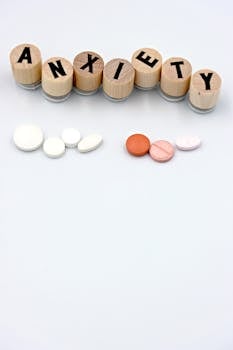
If you’re experiencing unfamiliar feelings or symptoms after starting a medication like Pamelor (nortriptyline), you’re not alone in your concern. Many people wonder about Pamelor side effects, particularly how it might affect your heart or anxiety levels. Understanding these potential reactions can help you make more informed decisions about your health and well-being.
Heart Health and Nortriptyline
While Pamelor is often prescribed to manage depression, it’s important to discuss its cardiovascular effects. Some patients might experience nortriptyline side effects in the heart, such as palpitations or changes in heart rate. This is because tricyclic antidepressants can influence heart rhythms, particularly in those with preexisting heart conditions.
For someone with such a condition, even a minor adjustment in heart rhythm can feel concerning. It’s crucial to have regular check-ins with your healthcare provider to monitor any noticeable changes if you’re on this medication.
Pamelor and Anxiety
People sometimes wonder, “Can nortriptyline cause anxiety?” While it’s designed to aid in mental health management, an unintended side effect could be exacerbated anxiety in some individuals. This paradoxical effect isn’t common, but it’s a reason why clear communication with your healthcare team is essential during treatment.
Discuss any new or worsening symptoms, including anxiety, with your doctor to tailor the treatment to your specific needs.
Practical Questions About Switching Medications
Switching medications or altering dosages is not uncommon in the journey to find the right treatment. Typically, it is not advisable to abruptly stop one medication to start another due to the risk of withdrawal or the resurgence of symptoms. A healthcare provider can guide you through a gradual transition tailored to your condition.
Additionally, pay attention to any new symptoms during the changeover. Knowing the signs of dosage being too high or too low can be instrumental in adjusting your treatment effectively. Some indicators might include changes in mood, appetite, or physical well-being.
If you’re interested in exploring changes in mental health treatments, consider reading about new therapies for conditions like OCD.
When to Seek Care
Should you experience persistent or concerning side effects, it’s important to reach out to a healthcare provider. Cardiologists can help assess heart-related side effects, while psychiatrists or primary care doctors can guide you in managing anxiety and other mental health concerns effectively.
Early intervention can help prevent complications, so take note of any symptom changes and discuss them with your provider promptly.
Impact on Daily Life
The side effects of Pamelor can affect various aspects of daily life. For some, heart-related symptoms might interfere with leisurely activities, while for others, anxiety might affect work or social interactions. It is essential to maintain an open line of communication with your healthcare team to mitigate these impacts.
External Learning Resource
For further reading on medication side effects, visit the Mayo Clinic website for reliable health information.
- Pamelor side effects can involve heart and anxiety issues.
- Monitoring symptoms and maintaining communication with your doctor is crucial.
- Transitioning between medications should be managed carefully.
- Recognizing unusual or severe symptoms can guide you in seeking timely care.
- Resources like the Mayo Clinic provide valuable health insights.
Common Questions
When should I see a doctor about Pamelor side effects?
If you experience any severe or unusual symptoms, such as heart palpitations or heightened anxiety, consult with your healthcare provider promptly.
What type of provider should I consult for nortriptyline side effects?
Consider seeing a cardiologist for heart-related issues and a psychiatrist or primary care physician for anxiety or other mental health concerns.
How can Pamelor affect daily activities?
By potentially altering heart rhythms or mood, Pamelor side effects might impact exercise, work performance, or social activities. Tune into your body and consult your provider if activities become challenging.
How do I safely switch medications?
Your doctor can help manage the transition between medications, often by gradually decreasing Pamelor dosage while introducing the alternative to minimize withdrawal or symptom resurgence.
Are there alternative therapies to explore?
Yes, exploring new treatments for mental health issues can be beneficial. The article on new OCD therapies offers insights into emerging therapeutic options.
Other Articles You May Find of Interest...
- Anxiety Symptoms You Feel in Your Body, and When They Mean Something Else
- Medicare Psychiatrist: Understanding Psychiatric Care and Treatment Options
- Help! Caffeine makes me sleepy! How does caffeine affect ADHD?
- Why the Body Stays in Fight or Flight Long After the Danger Has Passed
- Psychopath vs. Sociopath: A Side-by-Side Comparison
- How Does Night-Shift Work Affect Mental Health and Substance Use?
- Why Can Anxiety Feel Worse the Day After Drinking?