






More Mental Health Articles
Can Methocarbamol Help Alleviate Anxiety Symptoms?
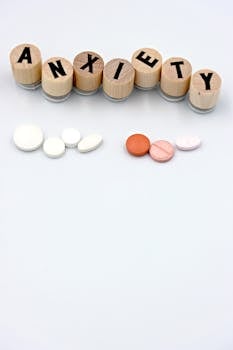
Managing anxiety can be challenging, and many people search for alternative treatments to alleviate their symptoms. While some individuals wonder if methocarbamol, a muscle relaxant, could be a solution, it’s essential to first understand its primary uses and effects. Methocarbamol is commonly prescribed for musculoskeletal conditions, but its role in anxiety management is less clear.
Methocarbamol for Anxiety
Methocarbamol, often known by the brand name Robaxin, is primarily used to treat muscle pain and discomfort. It’s part of a class of drugs called muscle relaxants that work by blocking nerve impulses. This effect can lead some to consider whether methocarbamol might also help diminish anxiety symptoms. However, methocarbamol is not specifically approved for anxiety, and evidence supporting its use in this context is limited. While some people may experience a calming effect due to muscle relaxation, this is not the intended benefit of the medication.
Does Methocarbamol Help with Anxiety Symptoms?
Although some individuals report feeling more relaxed while using methocarbamol, this is not synonymous with an anxiolytic effect. The soothing sensation might stem from reduced muscle tension rather than direct action on anxiety pathways. Therefore, it’s vital to approach the use of methocarbamol for anxiety with caution. Always discuss any off-label medication use with a healthcare provider.
When to Seek Care
If anxiety is impacting your daily life, it’s crucial to seek professional assessment. Psychiatrists, psychologists, and primary care physicians can evaluate your symptoms and recommend appropriate strategies. Self-managing with medications like methocarbamol without guidance can lead to suboptimal care and potential side effects. If you find that your symptoms are becoming disabling, reaching out to a healthcare professional should be a priority.
Real-World Considerations and Questions to Ask Your Doctor
Before considering methocarbamol as a part of your treatment plan for anxiety, discuss your full medical history with your doctor. Key questions include:
- Would methocarbamol interact with any current medications I’m taking?
- Are there potential side effects that could worsen my anxiety symptoms?
- Could methocarbamol interfere with any current therapy or treatment I’m undergoing for anxiety?
- What signs suggest the dose is too high or too low and could affect my anxiety?
Your doctor can help tailor a treatment plan that considers all aspects of your health, ensuring that anxiety is managed safely and effectively.
For more detailed information about anxiety treatments, check out this article on new therapeutic strategies.
Effects on Everyday Life
Using methocarbamol to indirectly manage anxiety might seem appealing due to its muscle-relaxing effects, reducing stress-related tension. However, relying on it for anxiety might lead to unintended issues, such as drowsiness, which can impair daily functioning. It’s essential to consider how this might affect work, activities, and general alertness. For a comprehensive view on overall health, visit this page.
Takeaways
- Methocarbamol is not approved for treating anxiety.
- Its calming effects are due to muscle relaxation, not anxiolytic action.
- Consult a healthcare provider before using it for anxiety.
- Professional evaluation is crucial for proper anxiety management.
- Discuss potential interactions and side effects with your doctor.
Common Questions
When should someone see a doctor about anxiety?
It’s essential to consult a healthcare provider if anxiety impacts daily life, causing distress or impairing functioning. If symptoms are resistant to initial self-help strategies, professional help is vital.
What type of healthcare provider treats anxiety?
Anxiety can be treated by psychiatrists, psychologists, or primary care physicians. They can offer therapy, recommend medications, or advise lifestyle changes tailored to your needs.
Can methocarbamol substitute anxiety medications?
No, methocarbamol should not replace specifically approved anxiety medications or therapies. It’s essential to use treatments intended for anxiety to ensure safe and effective outcomes.
Are there risks in using methocarbamol without guidance?
Yes, using methocarbamol without medical advice can lead to unwanted side effects, interactions, or masking of anxiety symptoms, potentially delaying appropriate care.
How does methocarbamol affect everyday activities?
Methocarbamol can cause drowsiness and dizziness, affecting your alertness and ability to perform tasks safely. It’s crucial to understand these limitations in the context of your daily routines.
Other Articles You May Find of Interest...
- Anxiety Symptoms You Feel in Your Body, and When They Mean Something Else
- Medicare Psychiatrist: Understanding Psychiatric Care and Treatment Options
- Help! Caffeine makes me sleepy! How does caffeine affect ADHD?
- Why the Body Stays in Fight or Flight Long After the Danger Has Passed
- Psychopath vs. Sociopath: A Side-by-Side Comparison
- How Does Night-Shift Work Affect Mental Health and Substance Use?
- Why Can Anxiety Feel Worse the Day After Drinking?




