






More Pain Management & Rehabilitation Articles
Navigating the Potential Side Effects of Imiquimod Cream 5
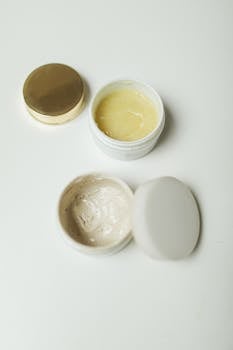
Imagine you’re using imiquimod cream, prescribed to address certain skin conditions such as actinic keratosis or superficial basal cell carcinoma. As you carefully follow your dermatologist’s instructions, you notice some unexpected skin reactions. Understanding the potential imiquimod side effects is key to managing the treatment effectively and safely.
Imiquimod Side Effects: What to Expect
Many people report experiencing redness, flaking, and even swelling after applying imiquimod cream. These skin changes are among the most common side effects of imiquimod cream 5. Some users might experience local inflammatory reactions, which can include itching or burning sensations. While these reactions are typically expected and tend to peak in the second week of treatment, they can be uncomfortable and sometimes concerning.
How Imiquimod May Impact Daily Life
Applying imiquimod cream might require adjusting your daily routine. You may need to time your application to avoid sun exposure or contact with sensitive areas. The visible skin reactions could also affect self-esteem or comfort in social situations. It’s essential to plan activities accordingly, and consider discussing with your employer or social contacts if significant skin reactions are expected.
Managing Side Effects
There are practical steps to alleviate the discomfort of side effects of imiquimod cream 5. Moisturizers may help soothe irritated skin, and wearing loose-fitting clothing can reduce rubbing against treated areas. If reactions become severe, temporarily discontinuing the cream and consulting a clinician can be beneficial. It’s also recommended to avoid other topical products on the treated area unless advised by your healthcare provider, as this could exacerbate irritation.
When to Seek Care
While mild to moderate reactions are typical, severe symptoms like intense burning, swelling, or unexpected blisters warrant professional evaluation. If systemic symptoms, such as fever or headaches, occur, consult a doctor immediately. Dermatologists are the right professionals to address and adjust treatment, ensuring your skin’s health remains a priority.
Common Concerns About Starting Imiquimod
It’s normal to have questions when starting a new medication. Will the side effects worsen with continued use, or can they be expected to diminish over time? For many individuals, skin reactions decrease after the end of treatment. However, every person’s response can vary. If discomfort persists or worsens, talking to your dermatologist about adjusting the frequency or dosage might help.
Communicating with Your Healthcare Provider
Before initiating treatment, engage in an open dialogue with your healthcare provider. Discuss your medical history, any current medications, and potential allergic reactions. Understanding these aspects can help in planning an appropriate treatment approach. Always inform your clinician of any severe reactions or if expected side effects unexpectedly linger.
For more insights on managing health decisions and engaging effectively with healthcare providers, consider reading our article on how to make informed decisions about your health. A proactive approach can empower you in handling any treatment regimen confidently.
Common Questions
When should I see a doctor regarding imiquimod side effects?
If you experience severe skin reactions or systemic symptoms such as fever, seek medical evaluation promptly. Routine follow-ups with your dermatologist are also beneficial to monitor progress.
What should I do if I miss a dose of imiquimod cream?
If a dose is missed, apply it as soon as remembered, unless it’s near the time for your next dose. Do not double the dosage to catch up.
Are there any medications I should avoid while using imiquimod?
It’s crucial to inform your healthcare provider about all other medications and supplements you are taking. Avoid applying other topical treatments to the same area without medical advice, as these can interact and increase irritation.
How long do side effects typically last?
Most mild to moderate side effects subside within a few weeks after completing the treatment course. However, individual experiences may vary, and prolonged symptoms should be discussed with your dermatologist.
Takeaways
- Expect some skin reactions when using imiquimod; redness and flaking are common.
- Mild side effects usually peak in the second week and lessen afterward.
- Severe reactions need prompt evaluation by a dermatologist.
- Communicate openly with your healthcare provider for a smoother treatment journey.
- For more information, you can visit general health resources to broaden your understanding.
Other Articles You May Find of Interest...
- Understanding Myositis After Flu: Causes, Symptoms, and Recovery Time
- What Are the Causes of a Knot on Your Shin Bone?
- Hydrocodone Acetaminophen 5-325 Dosage Explained for Safe Use
- Hydrocodone Acetaminophen 10 325 Español: Información Esencial y Usos Comunes
- Preparing for Orthopaedic Surgery in Singapore
- Can Carpal Tunnel Syndrome Lead to Shoulder Pain?
- Important Health Considerations During Injury Recovery



