






More Dental Health Articles
Toothpastes for Gingivitis: What Dental Pros Actually Recommend
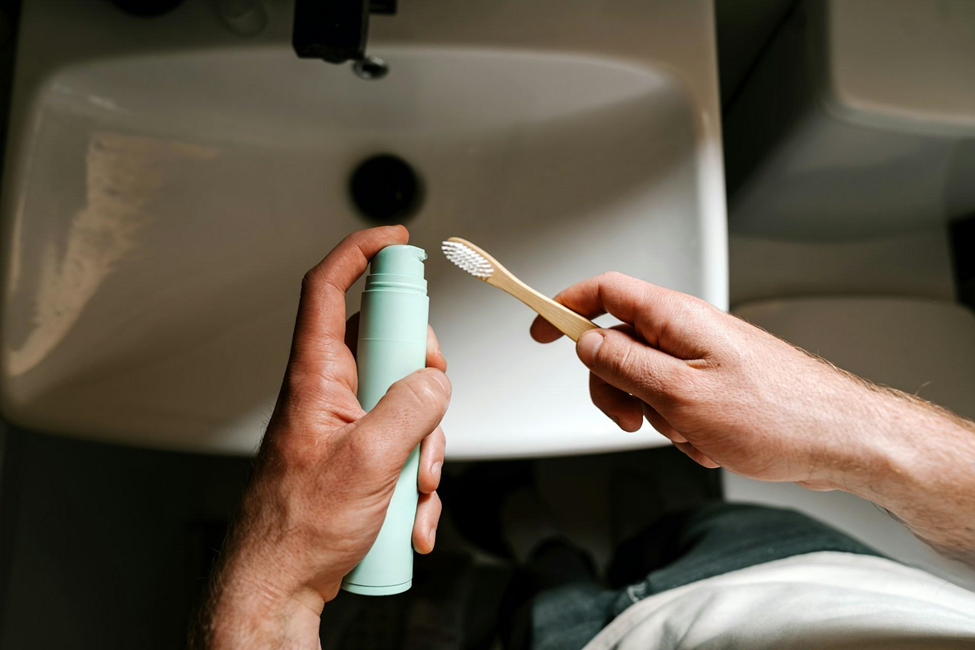
Image by Toa Heftiba on Unsplash
If you’ve noticed your gums looking pink at the edges, bleeding when you floss, or feeling tender along the smile line, those are classic markers of gingivitis – the very first stage of gum disease. Choosing the right toothpaste can make a real difference, and this guide will walk you through how to pick one that fits.
After combing through the industry’s leading formulas, we narrowed the field to the options below. Use this as a roadmap to make a smart, informed call about your oral health. Before we get into specific products, though, let’s set the table with some background on gingivitis and what really matters in a tube.
What is Gingivitis?
Gingivitis is the earliest form of gum disease – which is exactly why it’s so common. It happens when plaque builds up along the gumline and your immune system reacts with inflammation. Crucially, no bone has been lost yet and no permanent damage has set in. That’s the good news: gingivitis is reversible if you catch it and act.
The bad news? A lot of people don’t realize they have it until it tips over into periodontitis – the next stage, where receding gums, bone loss, and tooth loss become very real possibilities. Watch for things like:
• Gums that bleed during brushing or flossing
• Redness or inflammation right at the gumline
• A sore, slightly puffy feeling in the gum tissue
• Bad breath that won’t go away no matter what
These symptoms often come and go, but they shouldn’t be ignored. They’re how your body says something needs to change. Which raises the question: how did you end up here in the first place?
Common Causes of Gingivitis
Nearly every case of gingivitis starts with plaque – the sticky bacterial film that builds up on your teeth every single day. If left in place, it hardens into tartar and irritates the gums even further. Here are the other big contributors:
• Inconsistent brushing and flossing: Skipping plaque along the gumline gives bacteria the time they need to inflame the tissue. Buildup is fastest in tight contacts, around uneven enamel edges, and behind the lower front teeth.
• Dry mouth: Reduced saliva flow lets plaque cling more aggressively and feel thicker by the end of the day. Medications, dehydration, and breathing through the mouth all give bacteria more space to settle along the gums.
• Smoking or vaping: Nicotine restricts blood flow to gum tissue, which weakens your body’s natural inflammatory defense. It also makes plaque harder to remove because the biofilm thickens and gets more resilient.
• Hormonal shifts: Pregnancy, menopause, and even monthly cycles change how your gums react to plaque. The tissue becomes more reactive, so even minor buildup can result in redness and bleeding.
• Poor technique or worn-out tools: Brushing too lightly, brushing too aggressively, missing tight spots, or sticking with an old toothbrush all leave plaque sitting in the exact areas most likely to flare up.
For today’s purposes, we’re focusing specifically on what toothpaste can do for gingivitis. So how does the connection actually work?
How Toothpaste Can Help Fight Gingivitis
The right gingivitis toothpaste loosens and removes plaque so your toothbrush can actually finish the job. Here’s why rethinking your daily routine is worth the effort:
• Loosens plaque so brushing actually clears it: Stannous fluoride and Activated Edathamil weaken the bond between plaque and enamel, allowing brushing to remove far more of the film irritating your gumline.
• Reduces the bacterial load that triggers inflammation: When plaque breaks apart, the bacteria living inside no longer press up against your gums. Less bacterial pressure means bleeding, puffiness, and redness all start to ease.
• Slows tartar formation: Plaque that can’t grip tightly is less likely to harden into tartar. That means your gums get a cleaner surface to recover against between dental visits.
• Supports everyday comfort: Gentler formulas – especially ones without SLS – won’t aggravate sensitive tissue. That makes brushing twice daily easier to keep up, and consistency matters more than any single hero ingredient.
Let’s be straight: toothpaste alone isn’t a cure for gingivitis. The right formula simply removes the buildup that keeps your gums inflamed. So what should you actually be looking for in one?
What Should You Look For in the Best Toothpaste for Gingivitis?
When you really think about it, the best gingivitis toothpaste is just the best toothpaste for plaque – because plaque is what caused the problem in the first place. That’s the place to start.
Clinically Supported Ingredients for Plaque Removal
If you’re trying to prevent or improve gingivitis, plaque removal is everything. And this is precisely where most products on shelves fall short. They clean teeth, sure – but they don’t really lift plaque off them.
What you want are products with clinical studies or peer-reviewed data behind them, demonstrating actual plaque removal. Look for ingredients such as:
• Stannous fluoride
• Zinc citrate
• Activated Edathamil
These ingredients break the molecular bonds that anchor plaque to enamel and add antibacterial properties that aid healing as your gums recover.
Some natural formulations rely on essential oils such as thymol or eucalyptol, but these tend to lean preventive rather than corrective. With active gingivitis, you can’t really afford to bet on something that ‘might’ work. You want something with real evidence.
Non-Irritating Formulas for Sensitive Gums
When your gums are already inflamed, the last thing you want is a toothpaste that makes it worse. Unfortunately, plenty of mainstream brands include ingredients that do exactly that.
SLS – sodium lauryl sulfate – is one of the most common culprits. This foaming agent can trigger irritation in anyone prone to mouth ulcers or autoimmune conditions. The best toothpaste for gingivitis cuts harsh abrasives and synthetic flavorings out entirely.
A gentler formula is more comfortable to use and encourages more consistent brushing – which, again, matters more than people give it credit for.
Flavor and Texture for Consistent Use
This piece often gets overlooked, but a toothpaste that tastes bad, burns the mouth, or feels gritty just isn’t going to get reached for twice a day.
So pick a toothpaste with a mild, agreeable flavor – something like soft mint or wintergreen – and a smooth texture that doesn’t drag on already sore gums.
And remember: foam isn’t a measure of how well something cleans. It exists because brands trained us to expect it. Don’t dismiss a paste that doesn’t lather hard if everything else lines up.
Toothpaste for Gingivitis
1. LIVFRESH Gel Toothpaste
LIVFRESH plaque removal toothpaste uses Activated Edathamil to break the molecular bonds between plaque and enamel – disrupting biofilm before it ever has a chance to harden into tartar.
Clinical results show it improves plaque removal by 250% and gum health by 190% relative to a leading ADA-accepted toothpaste. It doesn’t simply mute symptoms or cover bad breath – it works on the factors that drive gum inflammation.
It’s free of common irritants such as SLS, triclosan, artificial flavorings, parabens, and harsh abrasives. Every ingredient in the formula is edible and safe for daily use, including for people with autoimmune conditions, dry mouth, or sensitive oral tissue.
Reviewers regularly call out the mild wintergreen flavor and smooth, low-foam texture. Brushing actually starts to feel pleasant – no overwhelming mint burn, no gritty mouthfeel.
Dentists who recommend LIVFRESH have noted meaningful improvements in patients with gum inflammation, and users frequently report less bleeding and swelling within the first few weeks.
2. Parodontax Toothpaste
Parodontax pairs stannous fluoride – which delivers both anticavity and antibacterial benefits – with sodium bicarbonate (baking soda) for gentle abrasive cleaning that helps reduce plaque.
The brand points to clinical studies showing improvements in gum bleeding when used twice a day for 12 weeks, and quite a few dentists recommend it for early-stage gum disease. Even so, there are reasons LIVFRESH stands out as the better Parodontax alternative – several of them, actually.
Parodontax contains SLS, artificial flavorings, and PEG compounds. The taste and texture are off-putting for some – it has a strong salty flavor and a noticeably gritty feel, which makes daily consistency a chore.
3. Sensodyne Complete Protection Toothpaste
Most people associate Sensodyne with managing tooth sensitivity, but the Complete Protection version contains stannous fluoride to help fight plaque and support gum health alongside that.
It also brings enamel-strengthening benefits and can ease pain from exposed dentin, which makes it versatile for people juggling several oral concerns at once. The real question is how well it actually addresses gingivitis.
Sensodyne does provide some antibacterial action, and the stannous fluoride does help control plaque bacteria – that part is genuine. The catch is that it’s a bit too ‘all-in-one’ to really shift the needle for gingivitis specifically.
The product still includes SLS, artificial sweeteners, and titanium dioxide – all of which can be irritating for inflamed gums or for people with chemical sensitivities.
It’s a solid general-use paste for sensitive teeth, but it doesn’t go as far as a focused product like LIVFRESH – the Sensodyne alternative we’d point to as the best gingivitis toothpaste.
4. Colgate Total Plaque Pro Release Whitening Toothpaste
Colgate’s Total Plaque Pro Release operates on a similar principle to several others on this list, with stannous fluoride doing the antibacterial work. What differentiates it is SmartFoam Technology, designed to penetrate further along the gumline where plaque tends to hide.
Colgate claims the formula offers protection against bacteria for up to 24 hours when used twice daily. It’s also widely available, well-reviewed, and a comfortable choice for shoppers who want a bit of everything in one paste: whitening, fresh breath, sensitivity relief, and plaque control.
Just like Sensodyne, though, ‘covering all bases’ brings compromises. The ingredient list features SLS, PEGs, Blue 1 dye, and artificial flavoring agents – all potential red flags for people with sensitive mouths.
5. Arm & Hammer Advance White
The baking soda in Arm & Hammer’s Advance White neutralizes mouth acids and acts as a mild abrasive to polish tooth surfaces. The peroxide handles whitening and the fluoride handles cavity protection.
There’s no specialized antibacterial or anti-inflammatory ingredient in the mix. There’s no stannous fluoride and nothing else specifically aimed at gum health, and the primary marketing angle is cosmetic – whiter teeth rather than healthier gums. To be fair, having a smile you’re proud to show off is a legitimate goal – but managing gingivitis has to come first.
Although the brand says it’s less abrasive than competitors, user reviews frequently mention how gritty it feels on sensitive gums. The peroxide-and-baking-soda combination can also irritate already inflamed tissue and cause discomfort for some users.
6. Tom’s of Maine Whole Care Toothpaste
Tom’s Whole Care leans on fluoride for cavity prevention and enamel support, plus a mild peppermint flavor that’s pleasant enough to use twice a day.
The full ingredient list is cleaner than average for shoppers trying to skip artificial sweeteners and dyes.
Beyond cavity and gingivitis prevention, the formula whitens by lifting surface stains and keeps the mouth feeling fresh without an aggressive bite.
It’s not as specialized as some of the targeted anti-gingivitis products, but it has a clear place in the lineup.
7. Oral-B Gum and Enamel Repair Toothpaste
Oral-B’s gum and enamel formula uses stannous fluoride to attack plaque bacteria and reinforce enamel against day-to-day wear. It’s a strong fit for people dealing with tenderness near the gumline or early erosion. It leaves a smooth, clean finish.
8. Crest Pro-Health Clinical Gum Protection Toothpaste
Crest’s Clinical Gum Protection runs on the brand’s patented stannous fluoride system to control plaque activity around the gums and provide 24-hour protection when used twice daily.
It’s one of Crest’s more comprehensive offerings – covering gum support, sensitivity relief, whitening, and enamel reinforcement. The mint flavor and light foam slide easily into a twice-a-day habit.
The Role of Professional Dental Care in Gingivitis Management
The best gingivitis toothpaste is a great place to start, but regular dental cleanings are just as important – if not more important – for long-term gum health.
A dentist can remove the hardened tartar you simply can’t reach at home and clean deep along the gumline where plaque likes to hide. They’ll also catch early problem areas, check for pockets, and verify that inflammation hasn’t progressed into something more serious.
Professional care complements your toothpaste and daily habits – it doesn’t replace them. Cleanings reset your baseline; your home routine is what holds the gumline steady between visits.
Bringing Our Guide on the Best Gingivitis Toothpaste to a Close
It’s not a cure, but the best gingivitis toothpaste can make a real difference – reducing gum bleeding, slowing plaque accumulation, and supporting healthier gums over time.
Other Articles You May Find of Interest...
- Can Gum Disease Cause Bad Breath?
- Botox at the Dentist? A Northern Virginia Patient FAQ About Uses, Safety, and What to Expect
- Why Your Teeth May Look Healthy but Still Need Dental Attention
- What Goes Into Developing an Alcohol-Free Mouthwash Beyond the Ingredient List
- 6 Best Dentist Options in Reston, Virginia for Family, Cosmetic, and Emergency Care
- Why Comprehensive Dental Care Matters at Every Stage of Life
- Why Preventive Dental Care Matters at Every Stage of Life





