More Dental Health Articles
Is Tooth Sensitivity Normal and What Causes It?
That sharp, sudden jolt when you sip iced coffee or bite into ice cream isn’t just an inconvenience — according to the Academy of General Dentistry’s 2023 survey data, nearly 40 million adults in the United States experience tooth sensitivity regularly. What many people don’t realize is that this common dental complaint often signals underlying changes in tooth structure that, left unaddressed, can progress into more serious oral health issues.
The challenge facing both patients and dental professionals today is distinguishing between normal, temporary sensitivity and the kind that requires intervention. As dental research continues to reveal new connections between sensitivity patterns and long-term oral health outcomes, understanding the mechanisms behind tooth sensitivity has become crucial for anyone experiencing regular discomfort. The sharp pain that stops you mid-bite often represents a complex interplay of structural changes, lifestyle factors, and individual biology — factors that, once understood, become surprisingly manageable.
Why Do Teeth Become Sensitive?
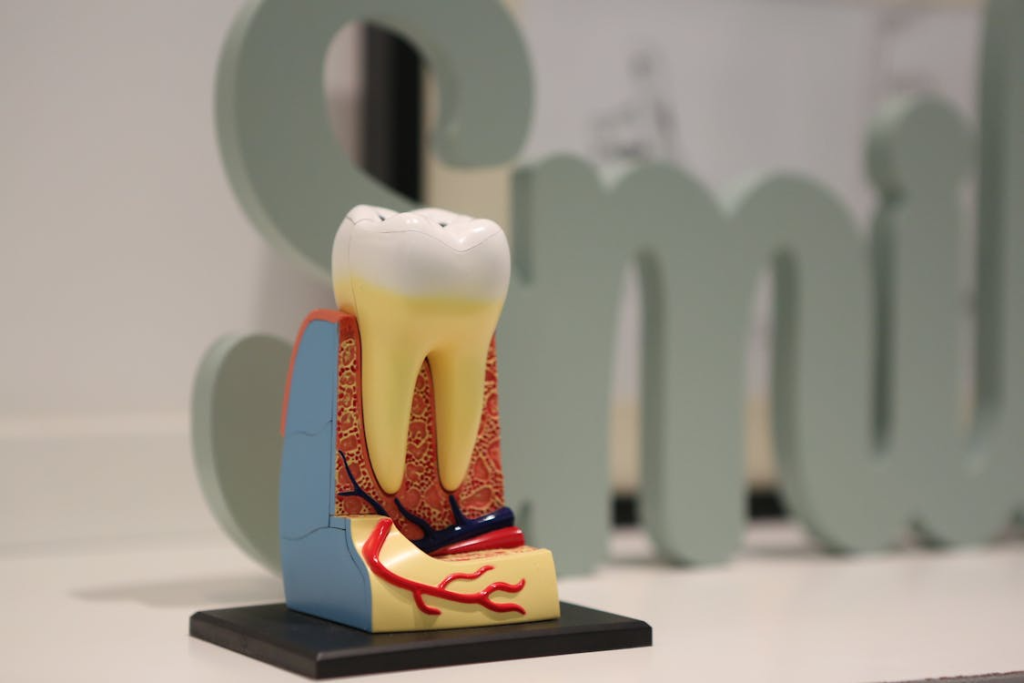
The pathway from comfortable chewing to wincing at cold drinks involves a fascinating biological process centered on dentin exposure. Your teeth have multiple protective layers, with the hard outer enamel serving as the primary barrier against external stimuli. Beneath this enamel lies dentin, a porous tissue filled with microscopic tubules that connect directly to the tooth’s nerve center.
When enamel wears away or gum tissue recedes, these dentin tubules become exposed to your mouth’s environment. Picture thousands of tiny straws leading straight to your tooth’s nerve — that’s essentially what happens when dentin loses its protective covering. Temperature changes, acidic substances, or even gentle pressure can now travel through these tubules and trigger nerve responses that your brain interprets as sharp, shooting pain.
The nerve reaction itself occurs almost instantaneously. When cold liquid contacts exposed dentin, fluid inside the tubules moves rapidly, creating pressure changes that stimulate nerve endings. This explains why sensitivity pain feels so immediate and intense — there’s virtually no buffer between the external stimulus and your tooth’s pain receptors.
What makes this process particularly problematic is its progressive nature. Once dentin becomes exposed, the tubules can widen over time without intervention, potentially making sensitivity worse. However, the same biological process that creates sensitivity also offers hope for management. Understanding that sensitivity stems from structural changes rather than permanent nerve damage means most cases respond well to targeted treatment approaches. The key lies in recognizing what’s causing the exposure in the first place and addressing those underlying factors before they advance.
What Are Common Causes and Triggers of Tooth Sensitivity?
Understanding tooth sensitivity requires distinguishing between the underlying structural causes that make teeth vulnerable and the immediate triggers that provoke painful episodes. This distinction matters because effective management often involves addressing both layers of the problem.
Key Causes Leading to Sensitivity
Gum recession tops the list of structural causes, exposing root surfaces that lack enamel’s protective qualities entirely. As gum tissue pulls away from teeth — whether due to aggressive brushing, periodontal disease, or simply aging — it reveals the softer cementum covering tooth roots. This tissue offers minimal protection against external stimuli, making even gentle touch uncomfortable.
Enamel erosion represents another primary pathway to sensitivity, often developing gradually through exposure to dietary acids or gastric reflux. Unlike sudden trauma, this process typically occurs over months or years, with sensitivity emerging as enamel thins to critical levels. The erosion often begins in areas where saliva flow is limited, such as along the gum line or between teeth.
Cracked or fractured teeth create direct channels for stimuli to reach dentin, sometimes causing sensitivity that seems to appear overnight. Even hairline cracks invisible to the naked eye can allow temperature changes to penetrate tooth structure. Similarly, worn or failing dental fillings can leave gaps where protective material once sealed vulnerable areas, essentially creating windows for sensitivity-causing stimuli to enter.
Common Triggers That Ignite Sharp Tooth Pain
While structural changes set the stage for sensitivity, specific triggers determine when and how intensely pain strikes. Temperature extremes — both hot and cold — rank as the most reliable sensitivity triggers, with cold typically provoking more intense responses due to rapid fluid movement in exposed tubules.
Acidic foods and beverages create a double challenge: they directly irritate exposed dentin while also temporarily softening remaining enamel, making teeth more vulnerable to other triggers. Citrus fruits, wine, and carbonated drinks fall into this category, often causing sensitivity that persists for minutes after consumption.
Sweet foods trigger sensitivity through a different mechanism, drawing fluid out of dentin tubules through osmotic pressure changes. This explains why candy or sugary drinks can cause immediate discomfort even when they’re at room temperature. Recent dental procedures, particularly cleanings or whitening treatments, can temporarily increase sensitivity by removing protective biofilm layers or opening tubules that were previously sealed.
How Do Lifestyle and Dental Habits Affect Tooth Sensitivity?
The daily choices you make about oral care and dietary habits play a surprisingly significant role in either protecting against or contributing to tooth sensitivity development. Unlike genetic factors or aging processes, these lifestyle elements remain largely within your control.
Impact of Oral Hygiene and Habits
Brushing technique often determines whether your daily oral care routine helps or hinders sensitivity management. Aggressive brushing with firm bristles can mechanically wear away enamel and contribute to gum recession — essentially creating the structural problems that lead to sensitivity. The timing of brushing matters too; brushing immediately after consuming acidic foods or drinks can remove enamel that’s been temporarily softened by acid exposure.
Teeth grinding (bruxism), whether during sleep or stress responses, generates tremendous pressure that can crack enamel, wear down protective surfaces, and contribute to gum recession. Many people remain unaware they grind their teeth until sensitivity or other symptoms develop. The constant pressure and friction can wear away enamel faster than normal remineralization processes can repair it.
Toothpaste selection impacts sensitivity in multiple ways. While whitening toothpastes can temporarily increase sensitivity by opening enamel pores, desensitizing formulas work by either blocking tubules or calming nerve responses. However, the abrasiveness level of any toothpaste — measured by its RDA (Relative Dentin Abrasivity) value — determines whether daily brushing gradually wears away protective enamel or helps preserve it.
The frequency and duration of exposure to sensitivity triggers also shapes your experience. Sipping acidic beverages slowly throughout the day creates prolonged acid exposure, while consuming the same volume quickly minimizes contact time. Even seemingly healthy habits like frequent citrus fruit consumption or constant hydration with flavored waters can contribute to sensitivity if the pH levels consistently challenge your teeth’s mineral structure. For individuals experiencing significant dental discomfort alongside other health concerns, consulting with experienced professionals like Bobb Dental in Marble Hill, GA can provide comprehensive evaluation and treatment planning that addresses both immediate sensitivity issues and long-term oral health goals.
How Can You Manage and Prevent Tooth Sensitivity?

Effective sensitivity management operates on multiple levels, from immediate symptom relief to long-term structural protection. The most successful approaches combine protective strategies that prevent further enamel loss with active treatments that address existing sensitivity.
Fluoride applications represent one of the most evidence-based approaches to sensitivity management. Prescription-strength fluoride gels and varnishes work by promoting remineralization in areas where enamel has thinned, essentially rebuilding some of the protective barrier that’s been lost. Professional fluoride treatments can provide relief that lasts for months, while daily fluoride rinses offer ongoing protection against further mineral loss.
Desensitizing toothpastes containing potassium nitrate or stannous fluoride work through different mechanisms but both aim to reduce nerve responsiveness. Potassium nitrate helps calm nerve activity, while stannous fluoride creates protective deposits over exposed tubules. The key to success with these products lies in consistent use — occasional application provides minimal benefit, but regular twice-daily use can significantly reduce sensitivity within two to four weeks.
Saliva’s protective role often gets overlooked in sensitivity management, yet it serves as your mouth’s natural defense system. Saliva helps neutralize acids, provides minerals for enamel repair, and creates a protective film over teeth. Maintaining adequate saliva flow through proper hydration and avoiding medications that cause dry mouth when possible supports your teeth’s natural defense mechanisms.
Dietary modifications focus on reducing exposure to acids while supporting remineralization processes. Using straws for acidic beverages, rinsing with water after consuming citrus or carbonated drinks, and waiting at least an hour before brushing after acid exposure all help protect enamel during vulnerable periods. Some people find that chewing sugar-free gum after meals stimulates saliva production and helps neutralize acids more quickly.
Professional treatments for severe sensitivity include bonding agents applied to exposed root surfaces, protective sealants, and in extreme cases, root canal therapy for irreversibly damaged nerves. The goal is always to use the least invasive approach that provides adequate relief while addressing underlying causes.
How Does Tooth Sensitivity Vary by Age and Health Condition?
Sensitivity patterns change significantly across different life stages and health conditions, reflecting the complex interplay between aging processes, disease states, and cumulative exposure to risk factors. Understanding these variations helps explain why sensitivity often seems to appear or worsen during specific periods.
Children and adolescents typically experience sensitivity related to erupting teeth or orthodontic treatment rather than structural damage. Newly erupted permanent teeth may feel sensitive until enamel fully matures and hardens. Orthodontic appliances can create areas that are difficult to clean thoroughly, leading to localized enamel weakening and temporary sensitivity that resolves once braces are removed and proper cleaning resumes.
Adults in their 30s and 40s often develop sensitivity as the cumulative effects of dietary acids, brushing habits, and teeth grinding begin to manifest. This age group frequently experiences the onset of gum recession, particularly if they’ve used firm toothbrushes or aggressive brushing techniques for years. Professional demands and stress levels during these decades can also increase teeth grinding frequency, accelerating enamel wear.
Older adults face unique sensitivity challenges as natural aging processes affect both saliva production and gum tissue health. Reduced saliva flow — whether from medications, medical conditions, or natural aging — removes one of the primary protective mechanisms against acid attacks and bacterial activity. Many medications commonly prescribed for age-related conditions, including blood pressure medications, antidepressants, and antihistamines, can significantly reduce saliva production.
Periodontal disease dramatically alters sensitivity patterns by causing gum recession that exposes root surfaces. Unlike enamel, the cementum covering tooth roots provides minimal protection against external stimuli. Individuals with advancing gum disease often experience widespread sensitivity that affects multiple teeth simultaneously.
Medical conditions such as gastroesophageal reflux disease (GERD) can create internal sources of acid exposure, leading to enamel erosion and sensitivity that develops from the inside out. Eating disorders involving frequent vomiting create similar patterns of acid damage, often affecting the tongue-side surfaces of upper teeth most severely.
The encouraging aspect of age-related sensitivity lies in its responsiveness to targeted intervention. While you can’t reverse decades of enamel wear overnight, consistent use of appropriate desensitizing products, modified oral care techniques, and professional preventive treatments can significantly improve comfort levels regardless of age. The key is recognizing that sensitivity often signals an opportunity to prevent more serious dental problems from developing, making early intervention both practical and protective for long-term oral health.
Other Articles You May Find of Interest...
- Missing Teeth and Your Overall Health: What Adults in Woodbridge VA Should Know About Dental Implants
- 8 Dentists in Lincoln, CA for Early Childhood Oral Health in 2026
- Boutique Whitening vs Opalescence: 7 Differences Between the Two Ranges for UK Dentists in 2026
- Surgical Guide for Dental Implants: A Clinician’s Practical Guide to Accuracy, Types, and How to Order
- What to Expect at Your Child’s First Dental Visit
- How Teeth Whitening Certification Helps Therapists Avoid 5 Common Procedural Mistakes
- 6 Joliet Dentists to Consider for Your Oral Health Needs