More Dental Health Articles
Dental Implants vs Dentures Cost and Benefits Explained
According to the American Dental Association’s 2024 data, dental implants boast a 95% success rate over ten years — yet the average American still chooses dentures at a ratio of nearly 3:1. This gap reflects more than just cost considerations; it reveals the complexity of a decision that touches on finances, lifestyle, and long-term oral health in ways that aren’t immediately obvious when you’re sitting in the dental chair.
As dental technology advances and insurance coverage patterns shift, the traditional cost barriers that once made implants prohibitive for many patients are becoming more nuanced. Baby Boomers entering their peak tooth-replacement years now face an expanded menu of options, while younger patients who lose teeth to trauma or disease weigh different priorities entirely. The stakes extend beyond the initial investment — your choice shapes daily comfort, social confidence, and cumulative healthcare costs for decades.
Understanding the real-world trade-offs between implants and dentures requires looking beyond the sticker price to examine success rates, lifestyle impact, and the hidden costs that emerge over time. The decision you make today determines not just how you’ll eat and speak tomorrow, but how you’ll navigate dental care for the rest of your life.
How Do Costs and Financial Factors Compare Between Implants and Dentures?
The upfront cost difference between implants and dentures can feel staggering at first glance. A single dental implant typically ranges from $3,000 to $6,000, while a complete set of conventional dentures costs between $1,500 and $4,000. For someone replacing multiple teeth, the initial investment in implants can reach $20,000 to $40,000, compared to $3,000 to $8,000 for full dentures. These numbers explain why many patients instinctively lean toward dentures — until they factor in the timeline.
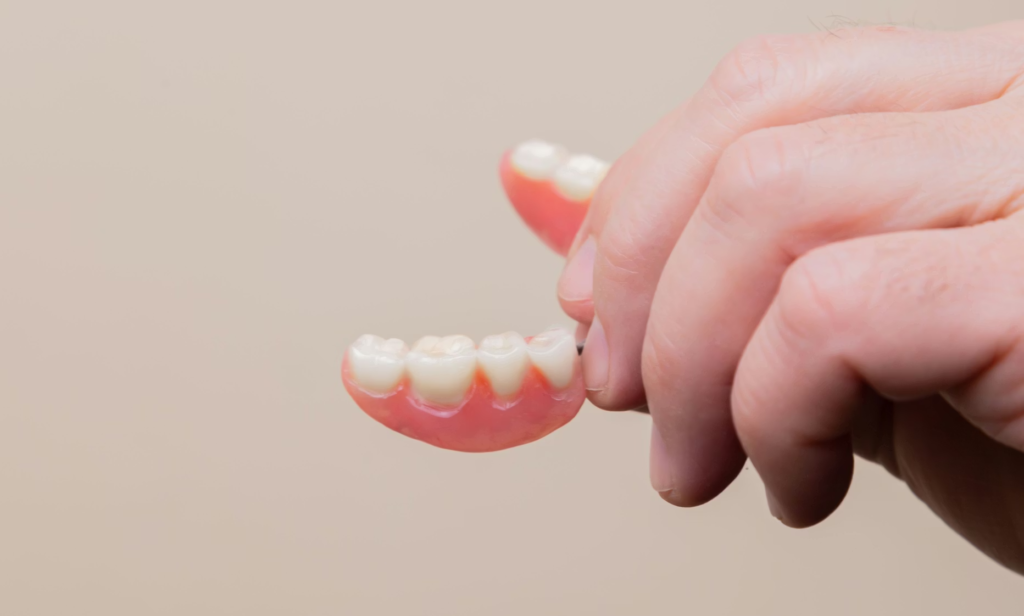
Here’s where the math shifts dramatically: dentures require replacement every 5-7 years, along with ongoing adjustments, relines, and repairs that can cost $500 to $1,500 annually. Dental implants, properly maintained, typically last 15-25 years or longer, with minimal ongoing costs beyond regular cleanings. Over a 20-year period, denture wearers often spend $15,000 to $25,000 in replacement and maintenance costs, while implant patients may spend just $2,000 to $4,000 in routine care.
Insurance coverage adds another layer of complexity. Most dental plans cover 50-80% of denture costs but classify implants as cosmetic or elective, covering little to nothing. However, medical insurance sometimes covers implants when tooth loss results from cancer treatment, trauma, or congenital conditions. Flexible spending accounts and dental financing programs have expanded access to implant treatment, allowing patients to spread costs over 24-60 months at competitive interest rates.
The hidden financial factor that catches many patients off guard involves bone loss. When you lose teeth, the underlying jawbone begins to shrink — a process that dentures don’t prevent and may actually accelerate. Implant patients avoid this bone loss, while denture wearers often need bone grafts, implant-supported dentures, or other complex procedures down the road. For those seeking Panama City dental implant options, this bone preservation benefit represents significant long-term value beyond the initial cost comparison.
What Do Clinical Outcomes and Success Rates Tell Us About Implants and Dentures?
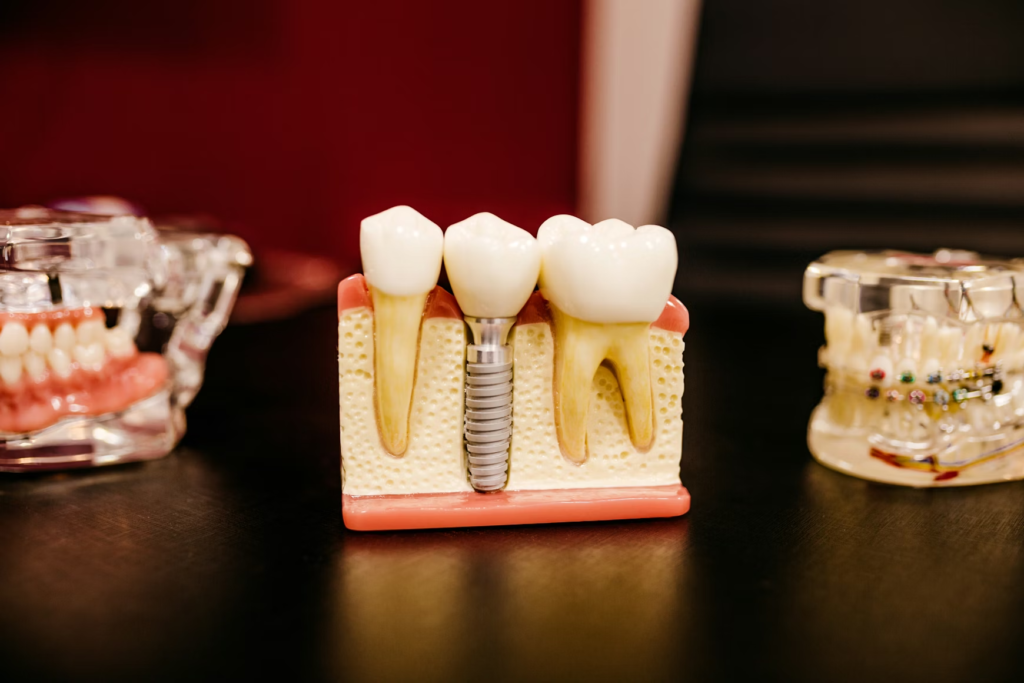
The clinical success data reveals stark differences in long-term reliability between these treatments. Dental implants achieve osseointegration — the process where titanium fuses with bone — in 95-98% of cases when placed by experienced practitioners. Once integrated, implants demonstrate 90-95% survival rates at 10 years and 85-90% at 15 years, with most failures occurring within the first year due to infection or integration issues.
Denture success proves harder to quantify because “success” varies by patient tolerance and expectations. Research shows that 25-30% of denture wearers struggle with persistent sore spots, slipping, or difficulty eating certain foods even after multiple adjustments. Among those who adapt well initially, satisfaction tends to decline over time as bone resorption changes the fit and function.
Patient-reported satisfaction scores tell a compelling story. Studies consistently show implant patients reporting 85-95% satisfaction with eating ability, speech clarity, and overall comfort, while denture satisfaction ranges from 45-75% depending on the study parameters and denture quality. The gap widens dramatically when measuring confidence in social situations — implant patients rarely worry about slipping or clicking, while 40-60% of denture wearers report avoiding certain foods or social situations due to their prosthetics.
Complications present differently for each treatment. Implant complications — when they occur — typically involve infection around the implant site (peri-implantitis) affecting 10-15% of patients, or mechanical issues like loose crowns. These problems usually respond well to treatment when caught early. Denture complications are more frequent but less serious: tissue irritation, pressure sores, and gradual loosening as the mouth changes shape. While rarely dangerous, these issues create ongoing frustration and expense.
The age factor significantly influences outcomes. Younger implant patients (under 50) show higher success rates and fewer complications, while older patients may face challenges with healing and bone quality. Conversely, some elderly patients adapt to dentures more readily than middle-aged patients who maintain active lifestyles and higher expectations for oral function.
How Do Comfort and Aesthetics Differ Between Implants and Dentures?
Comfort Levels and Adaptation Periods
The adaptation experience separates these treatments as distinctly as their clinical outcomes. Implant patients typically endure 3-6 months of healing after surgery, during which they may wear temporary crowns or go without teeth in the implant areas. Once healed, most patients report that implants feel completely natural — they forget which teeth are implants because the sensation closely mimics natural tooth roots.
Denture adaptation follows a different trajectory entirely. New denture wearers face 4-8 weeks of learning to eat, speak, and function with prosthetics that rest on their gums rather than connecting to bone. During this period, many patients experience gagging, excess saliva production, and difficulty pronouncing certain sounds. Even after successful adaptation, most denture wearers remain conscious of their prosthetics during eating and speaking.
Eating comfort represents perhaps the most significant functional difference. Implant patients can bite into corn on the cob, eat sticky foods, and chew with roughly 85-90% of their original bite force. Denture wearers typically recover only 20-30% of natural chewing ability and must avoid foods that might dislodge their prosthetics or create uncomfortable pressure points on their gums.
Appearance and Impact on Lifestyle
Aesthetic outcomes depend heavily on the skill of the dental team and the patient’s underlying bone and tissue structure. Well-designed implant crowns are virtually indistinguishable from natural teeth, maintaining the natural gum line and emerging from the tissue exactly as natural teeth would. The stability of implants also prevents the sunken facial appearance that can develop as dentures settle and bone recedes over time.
Quality dentures can look remarkably natural when new, but maintaining that appearance requires ongoing attention. As the underlying bone changes shape, dentures may shift position, alter speech patterns, or create an aged appearance as they lose proper support. Many denture wearers develop habits of covering their mouth when laughing or speaking to prevent embarrassing slips or clicks.
Social confidence varies dramatically between the two treatments. Implant patients rarely modify their behavior around food choices, speaking, or laughing. Denture wearers, particularly in the first few years, often develop workarounds: cutting food into smaller pieces, avoiding certain restaurants, or carrying denture adhesive for social situations. These behavioral changes can impact relationships, professional interactions, and overall quality of life in subtle but meaningful ways.
What Maintenance and Care Does Each Option Require?
Cleaning and Professional Check-Up Needs
Daily maintenance routines differ substantially between implants and dentures, affecting both convenience and long-term oral health. Implant care closely resembles natural tooth care: regular brushing with a soft-bristled toothbrush, daily flossing (often with special floss designed for implants), and antimicrobial mouth rinse. The key difference involves paying extra attention to the gum line around implants, where bacteria can accumulate and cause peri-implantitis.
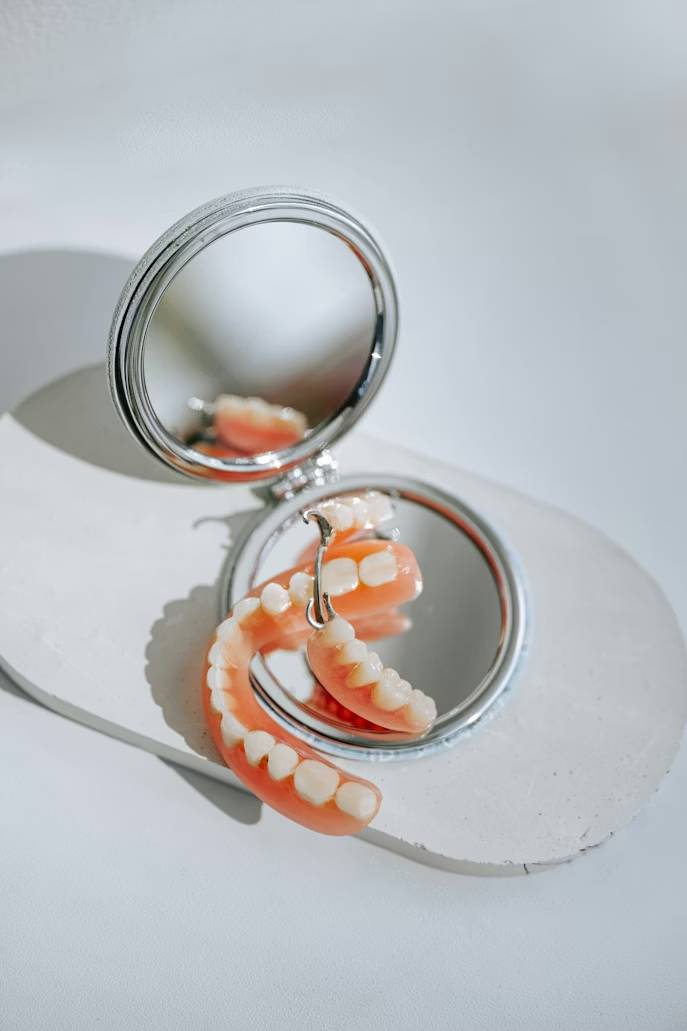
Denture care requires a completely different approach. Patients must remove dentures nightly for cleaning with specialized denture brushes and soaking solutions, clean their gums and any remaining natural teeth separately, and store dentures in water or cleaning solution to prevent warping. This routine takes 10-15 minutes daily compared to 3-5 minutes for implant maintenance.
Professional care schedules reflect these different maintenance needs. Implant patients typically need cleanings every 3-6 months, similar to natural teeth, with annual X-rays to monitor bone levels around implants. Denture wearers require more frequent dental visits — every 3-4 months initially, then every 6 months — for adjustments, relines, and monitoring of the underlying tissues and bone.
Long-Term Care and Cost Implications
The cumulative maintenance burden reveals significant differences over time. Implants require minimal intervention beyond routine care, though patients must remain vigilant about gum health around implant sites. When problems do arise, they’re usually addressed with scaling and root planing (deep cleaning) or minor surgical procedures to address infection.
Dentures demand ongoing attention as the mouth changes shape. Soft relines every 1-2 years cost $200-500, while hard relines every 3-4 years run $400-800. Complete denture replacement every 5-7 years represents the largest recurring expense, often costing as much as the original dentures due to inflation and improved materials.
Emergency repairs present different challenges for each treatment. Broken dentures can often be repaired within 24-48 hours, though patients may need to go without their teeth during repairs. Implant emergencies are rare but more complex — a loose crown can usually be re-cemented quickly, but implant failure requires surgical removal and potentially months of healing before replacement.
What Should Patients Expect During Recovery and Adjustment?
The recovery timeline shapes the immediate months after treatment and influences patient satisfaction significantly. Implant surgery recovery involves 7-14 days of initial healing with swelling, mild pain, and dietary restrictions, followed by 3-6 months of osseointegration before final crowns are placed. During this integration period, patients often wear temporary crowns or partial dentures, allowing them to function normally while healing progresses.
Most implant patients return to work within 2-3 days, though they must avoid strenuous activity for a week and stick to soft foods initially. The surgical sites require careful cleaning to prevent infection, and patients need prescription pain medication for 3-5 days on average. The most challenging aspect for many patients involves the waiting period — knowing their implants are in place but not yet ready for the final crowns.
Denture adjustment follows a different pattern entirely. New denture wearers often struggle with speech changes, excess saliva, and eating difficulties for the first month. Professional adjustments during the first few weeks address pressure points and improve fit as the tissues adapt to the prosthetics. Many patients require 3-5 adjustment appointments in the first two months.
The psychological aspect of adjustment can’t be overlooked. Implant patients often feel excited about their progress and eager for their final teeth, while denture patients may feel frustrated by the learning curve and temporary limitations. Support from family and realistic expectations from the dental team prove crucial during both recovery processes.
Recovery success depends significantly on patient compliance and expectations. Those who follow post-operative instructions carefully and maintain realistic timelines typically achieve better outcomes with either treatment. The key difference lies in the endpoint — implant patients work toward regaining essentially normal function, while denture patients adapt to a new way of living with their oral prosthetics.
For patients weighing these substantial differences in recovery and long-term commitment, the decision often comes down to personal priorities: whether they value the permanence and natural function of implants enough to justify the higher initial investment and surgical recovery, or whether they prefer the lower upfront cost and non-surgical nature of dentures despite the ongoing adjustments and limitations.
Other Articles You May Find of Interest...
- Can Gum Disease Cause Bad Breath?
- Botox at the Dentist? A Northern Virginia Patient FAQ About Uses, Safety, and What to Expect
- Why Your Teeth May Look Healthy but Still Need Dental Attention
- What Goes Into Developing an Alcohol-Free Mouthwash Beyond the Ingredient List
- 6 Best Dentist Options in Reston, Virginia for Family, Cosmetic, and Emergency Care
- Why Comprehensive Dental Care Matters at Every Stage of Life
- Why Preventive Dental Care Matters at Every Stage of Life