More Neurology Articles
Is Hoffman’s Sign a Key Indicator of Neurological Health?
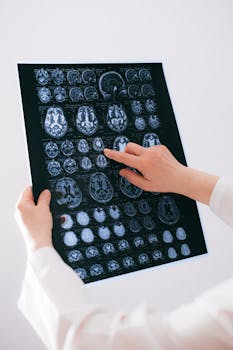
Imagine your doctor testing your nervous system with a quick flick of your fingernail. It’s a simple reflex test, often called Hoffman’s sign, which might seem trivial. However, this test can provide insight into potential issues within your spinal cord or brain. It’s crucial for healthcare professionals to diagnose whether any underlying neurological concerns exist, especially when symptoms like unexplained muscle weakness or coordination problems arise.
The Role of Hoffman’s Sign in Neurological Assessments
Hoffman’s sign is used in clinical settings to evaluate the reflexes of the upper limb. Named after Johann Hoffmann, this sign involves flicking the fingernail of the middle finger while observing for an involuntary twitch of the thumb or index finger. Such a response may indicate an upper motor neuron lesion or other neurological conditions affecting the central nervous system.
While Hoffman’s sign itself doesn’t diagnose a specific illness, it acts as a red flag for further investigation. Diseases like multiple sclerosis, cervical spondylotic myelopathy, or other spinal cord issues can sometimes be associated with this reflex response.
When to Seek Care
If you notice symptoms like persistent muscle weakness, changes in coordination, or unusual reflexes during everyday tasks, it’s essential to consult a healthcare provider. A neurologist is typically the specialist who can evaluate such symptoms thoroughly. They might recommend additional tests, such as MRI or EMG, to explore the underlying causes.
If you’re experiencing changes in your ability to perform everyday activities or if symptoms progress rapidly, seeking a professional opinion is highly recommended. Remember, early detection of neurological conditions can improve prognosis and management.
How Hoffman’s Sign Affects Daily Life
While most people aren’t aware of Hoffman’s sign in their daily activities, its presence can be indicative of conditions affecting mobility and dexterity. These signs can translate into difficulty with tasks requiring fine motor skills, such as writing or buttoning a shirt.
Any disruption in the nervous system can significantly impact quality of life, making routine actions more challenging. This emphasizes the importance of neurological assessments and recognizing when symptoms warrant further medical attention.
Practical Considerations in Neurological Health
When evaluating neurological health, understanding potential signs and what they might imply is vital. While Hoffman’s sign is just one aspect, it’s part of a broader neurological examination that helps healthcare providers better understand a patient’s neurological status.
Your healthcare provider might discuss lifestyle adjustments that can support your overall health and potentially alleviate some symptoms associated with neurological conditions. Maintaining a balanced diet and regular activity plays a crucial role in overall well-being. For tips on how lifestyle choices impact neurological health, you might find our article on how lifestyle choices impact our overall health useful.
Understanding Potential Causes and Interventions
While Hoffman’s sign can point towards neurological disorders, it is important to remember that individual results vary. When present, further investigation may explore conditions like spinal cord compression or degenerative diseases. Interventions may range from physical therapy to managing symptoms with medication, depending on the underlying cause.
If medication is necessary, always discuss with your healthcare provider about possible side effects and interactions with other treatments you may be undergoing. For an overview of neurological health and common conditions, consider visiting authoritative resources like the Mayo Clinic.
- Hoffman’s sign can suggest neurological issues when other symptoms are present.
- It’s part of a broader neurological evaluation used to identify potential concerns.
- Early diagnosis through medical evaluation is crucial for managing underlying conditions.
- Consult a neurologist if you experience unexplained muscle weakness or coordination issues.
- Lifestyle changes may support neurological health alongside medical treatments.
Common Questions
When should I see a doctor for neurological symptoms?
If you notice any persistent changes in muscle strength, coordination, or involuntary movements, it’s important to consult a healthcare provider. Sudden and severe symptoms should be evaluated immediately.
What type of healthcare provider should I consult?
A neurologist specializes in nervous system disorders and will be your best resource for evaluating symptoms related to Hoffman’s sign and other neurological signs.
What might cause a positive Hoffman’s sign?
Hoffman’s sign may indicate issues like cervical spinal cord compression, multiple sclerosis, or other central nervous system conditions, but it must be interpreted in the context of other clinical findings.
Can lifestyle changes affect neurological health?
Yes, maintaining a healthy lifestyle that includes balanced nutrition and regular exercise can support neurological function and overall well-being.
What should I discuss with my doctor if Hoffman’s sign is present?
Discuss any other symptoms you have experienced and ask about the need for further diagnostic testing. Understanding potential causes and treatment options will guide you in managing your health efficiently.
Other Articles You May Find of Interest...
- How to Read a Nerve Conduction Study Report
- Can a Tissue Paper Test Detect a CSF Leak?
- What Does Cerebrospinal Fluid Taste Like During a CSF Leak?
- Cervical Laminectomy: A Complete Guide to This Spinal Decompression Surgery
- Why Concussion Symptoms Can Look Different From Person to Person
- The Crushing Fatigue of ALS
- Complex Partial Seizures: Managing Focal Awareness Loss