More Vision & Eye Care Articles
What to Know About Choroidal Nevus and Its Implications for Eye Health
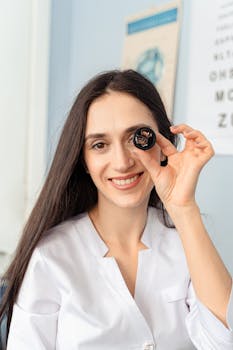
During a routine eye exam, you might be surprised to hear your optometrist mention a choroidal nevus. It sounds concerning, but in many cases, it’s simply an eye freckle and is relatively harmless. Understanding what a choroidal nevus is and how it impacts eye health can alleviate worries and guide you on when professional evaluation is necessary.
What Is a Choroidal Nevus?
A choroidal nevus is a pigmented spot or a mole located in the eye’s choroid layer, which is situated between the retina and the sclera. These nevi are quite common and often resemble flat, brown spots. Most people will never notice their presence without an eye exam, as they rarely cause visual disturbances.
Potential Impact on Vision
In general, choroidal nevi do not cause vision problems or symptoms. However, regular eye exams are crucial because over time, there is a very small chance that some nevi can transform into a malignant melanoma. Such transformation could potentially affect vision significantly.
Your lifestyle choices impact various aspects of your health including eye health. Learn more about how lifestyle affects overall health here.
When to Seek Care
If you have been diagnosed with a choroidal nevus, regular monitoring by an ophthalmologist is advised. You should seek immediate evaluation if you experience sudden changes in vision, such as blurriness, seeing floaters, or flashing lights. Additionally, if the nevus changes size or shape, prompt medical attention is necessary to rule out any malignant transformation.
Possible Treatments and Observations
Monitoring is the primary approach for managing a choroidal nevus. Your eye specialist may perform regular imaging tests, like an ocular ultrasound, to detect any changes over time. If any growth or suspicious changes are noticed, a thorough evaluation is conducted to determine the need for further intervention.
While surgery is rarely required, in cases where malignancy is suspected, treatment options are discussed thoroughly to manage risk and preserve vision.
How to Live with a Choroidal Nevus
Living with a choroidal nevus typically does not require significant lifestyle changes. However, keeping routine eye exam appointments is essential. Staying informed about any changes in your vision and discussing these changes with your healthcare provider ensures that your eye health remains a priority.
Routine eye exams are crucial, and maintaining overall eye health can significantly impact quality of life. Eye health, like general health, can benefit from healthy lifestyle choices, which include a balanced diet and regular physical activity.
Medication Considerations
Although medication is not commonly involved in managing a choroidal nevus, if you’re on medications for other eye conditions, it’s important to inform your eye doctor about them. Some eye medications can affect the eye differently, and knowing all the medications you’re taking helps in planning comprehensive eye care.
Always discuss potential side effects with your healthcare provider, and let them know if you experience any change in eye condition that may correlate with medication adjustments.
Takeaways
- Choroidal nevi are common and typically harmless.
- Regular monitoring is essential for early detection of changes.
- Lifestyle choices can support overall eye health.
- If changes in vision occur, seek immediate professional advice.
- Discuss existing eye medications with your healthcare provider.
Common Questions
What should I do if my vision changes suddenly?
Sudden changes in vision, such as blurriness or seeing flashes of light or floaters, should prompt an immediate visit to an ophthalmologist. These changes could indicate complications related to the nevus.
Who can diagnose and monitor a choroidal nevus?
An ophthalmologist is the best specialist for diagnosing and monitoring choroidal nevi. They have the tools and expertise to evaluate retinal conditions and provide appropriate care.
Are there preventive measures for choroidal nevus complications?
There aren’t specific preventive measures for preventing complications from a choroidal nevus, but maintaining regular eye exams and leading a healthy lifestyle can support overall eye health.
Can my choroidal nevus affect my daily life?
In most cases, a choroidal nevus does not impact daily activities or quality of life. However, staying vigilant about any vision changes and maintaining eye health is important.
Where can I find more information on choroidal nevi?
You can learn more from trusted resources like the Mayo Clinic for an overview of eye health topics. They provide reliable information on eye conditions, including choroidal nevi.
Other Articles You May Find of Interest...
- Ortho-K for Children: What Parents Should Know About Myopia Management
- Eyelashes Growing Every Which Way: Causes and Fixes
- Andrew Ting Explains How AI-Powered Retina Scans Can Support Earlier Detection
- Battling With Eye Strain? 5 Signs You Should Get an Eye Exam Quickly
- Can Cataracts Get Worse If You Wait Too Long for Surgery?
- Is Zinc Good for Your Eyes? The AREDS Evidence
- Is Contact Solution the Same as Saline?