






More Vision & Eye Care Articles
What Are Optic Disc Drusen and How Do They Affect Your Vision?
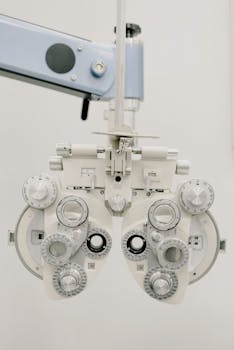
If you’ve ever experienced subtle changes in your vision and later discovered you have optic disc drusen, you’re not alone. This condition involves the accumulation of calcium-like deposits in the optic nerve head, leading to various visual disturbances. While it can be an unsettling diagnosis, understanding how these deposits affect your vision is crucial for managing the condition effectively.
What Are Optic Disc Drusen?
Optic disc drusen are tiny, pebble-like deposits that occur in the optic nerve head, the part of the nerve that connects the eye to the brain. These deposits are composed primarily of calcium and can lead to a range of visual symptoms, including blurred vision, transient visual obscurations, and, in rare cases, peripheral vision loss. The condition can be congenital or develop over time.
Impact of Lifestyle and Health Choices
While optic disc drusen are primarily a genetic condition, your overall health and lifestyle choices can still play a role in preserving your vision. Maintaining a healthy diet, regular exercise, and monitoring systemic health conditions like blood pressure and cholesterol can support overall eye health. For more information on lifestyle impacts on health, see our article on how lifestyle choices impact our overall health.
Managing Optic Disc Drusen and Symptoms
Management of optic disc drusen focuses on regular monitoring and addressing any associated complications. Regular eye exams are essential to track any changes in vision. While there isn’t a specific treatment for the drusen themselves, addressing associated symptoms like high intraocular pressure with medications or surgery, if necessary, may be recommended. It’s important to discuss symptom management plans with your eye care provider.
Preventing Additional Vision Complications
Although optic disc drusen themselves cannot be prevented, you can take steps to reduce the risk of complications. Protect your eyes from excessive sun exposure by wearing sunglasses with UV protection. Also, it’s essential to manage any underlying conditions that may contribute to vision issues, such as diabetes or hypertension, by staying compliant with prescribed medications and routine check-ups.
When to Seek Care
You should consult a healthcare provider if you experience any sudden changes in your vision, such as new blind spots, flashes of light, or significant vision loss. An ophthalmologist is typically the specialist who would evaluate and manage optic disc drusen. They can perform tests such as optical coherence tomography (OCT) and ultrasound to assess the optic nerve for drusen and monitor any changes over time. Visiting an eye care professional for routine screenings can help catch any concerning developments early.
Vision and Daily Life
Living with optic disc drusen can be an adjustment, but with vigilant monitoring and lifestyle adaptations, many people manage their symptoms effectively. Paying attention to your vision and noting any changes is crucial. Additionally, consider extra measures when it comes to activities that require precise vision, such as driving or reading the fine print. Occupational therapy might provide useful strategies to navigate these challenges.
Mild Symptoms or New Medications: What to Know
For those with mild optic disc drusen-related symptoms, lifestyle adjustments, and monitoring may be sufficient. Before starting any new medication or treatment plan, it’s crucial to discuss potential side effects and interactions with your healthcare provider. They can help decide whether a particular treatment strategy is appropriate for your specific condition and monitor any changes if a new medication is initiated.
Commonly, side effects from medications aimed at addressing symptoms like intraocular pressure resolve after a short adjustment period, but any persistent issues should be brought to your doctor’s attention. Your provider might also suggest gradual tapering off one medication before starting another to prevent possible complications.
Additional Resources
For more information on optic disc drusen, you can refer to dedicated ophthalmic resources or explore general health topics on well-regarded medical sites. One helpful external source for eye conditions is the Mayo Clinic, where you can find comprehensive information on maintaining eye health and managing conditions like optic disc drusen.
- Optic disc drusen are deposits in the optic nerve head that can impact vision.
- Regular monitoring and lifestyle modifications can aid in managing symptoms.
- Sudden vision changes should be evaluated by an ophthalmologist promptly.
- No direct treatment for drusen exists, but symptoms can be managed effectively.
- Protection against UV light and managing systemic conditions can support eye health.
Common Questions
What are the common symptoms of optic disc drusen?
Common symptoms include blurred vision, transient visual obscurations, and, in some cases, peripheral vision loss.
Who should I see if I suspect I have optic disc drusen?
An ophthalmologist specializing in eye conditions is best suited for diagnosing and managing optic disc drusen.
How can my lifestyle choices impact optic disc drusen?
Maintaining overall eye health through a balanced diet, regular exercise, and managing systemic conditions can support eye health and potentially mitigate complications.
Are children affected by optic disc drusen?
Yes, optic disc drusen can be hereditary, and children may develop the condition if there is a family history, although changes are usually monitored until adulthood.
Is there a cure for optic disc drusen?
Currently, there is no cure for the drusen themselves, but symptom management and regular monitoring can help manage the condition effectively.
Other Articles You May Find of Interest...
- Ortho-K for Children: What Parents Should Know About Myopia Management
- Eyelashes Growing Every Which Way: Causes and Fixes
- Andrew Ting Explains How AI-Powered Retina Scans Can Support Earlier Detection
- Battling With Eye Strain? 5 Signs You Should Get an Eye Exam Quickly
- Can Cataracts Get Worse If You Wait Too Long for Surgery?
- Is Zinc Good for Your Eyes? The AREDS Evidence
- Is Contact Solution the Same as Saline?




